

Paulo Benedito, a lifelong fisherman from Quissanga, a small coastal town in northern Mozambique’s Cabo Delgado province, faced devastating changes in 2021 when armed Islamist insurgents attacked his community, forcing him and his family to flee. They sought refuge at the Meculane Centre for Internally Displaced Persons, where Paulo had to transition from fishing to farming. Despite the challenges, he embraced agricultural training offered by the Food and Agriculture Organization (FAO). He soon excelled in his new role, expressing a newfound preference for farming over fishing, as it provided more stability and ensured food for his family.
FAO

In Zemo Alvani, Georgia, Natia Matcharashvili, a first-generation farmer, handpicks wheat grains from her fields. She and her husband, Shota, returned from Tbilisi to live closer to nature for their children and to revive native wheat varieties that are vanishing. They feel a responsibility to preserve these traditional strains that have adapted to their local soil and climate. By cultivating these heirloom varieties for their bakery, they aim to share their heritage with customers. What began as a simple passion has turned into a commitment to rediscover and rejuvenate forgotten Georgian wheat varieties.

Where land and sea meet, a unique ecosystem is found: mangrove forests. Whether offering protection from climate change, supporting livelihoods, biodiversity and more, mangroves benefit us all. In the first study of its kind, FAO, with experts around the world, uncovered a wealth of information on the extent of mangrove forests globally, as well a glimpse into what causes mangrove losses and gains. Find out more about this precious ecosystem and see how mangroves affect our daily lives.

The FAO and Mozambique's fisheries ministry piloted eight anchored fish‑aggregating devices (aFADs) in Cabo Delgado to help small-scale fishers access offshore tuna. Made from sustainable materials like coconut fronds, these buoyed devices attract microorganisms, small fish, and larger species, offering predictable fishing spots. Training and gear provision helped fishers like Mário Sadique boost catches from 1–5 kg to ~20 kg per trip, increasing earnings and reducing time at sea.

Many disasters, whether man-made or weather-related, are unpredictable. Nevertheless, a growing number of disasters can now be predicted thanks to continuously improving early warning systems. Action before disasters strike can help limit the devastating impact that these have on people and communities everywhere. As extreme weather events are becoming more frequent and humanitarian needs are soaring, it is more crucial than ever to ensure that each dollar goes further. The UN's Food and Agriculture Organization (FAO) promotes anticipatory action to help people in vulnerable situations stay steps ahead and weather the storm.

As key agents of change, the current generation of young people must increase food production, replace an aging workforce, and adapt to increasing extreme climate events. With 1.3 billion individuals aged 15 to 24 globally, the Food and Agriculture Organization of the United Nations (FAO) has released a comprehensive report titled “The Status of Youth in Agrifood Systems,” which examines and emphasizes the crucial role of youth in transforming agrifood systems to improve food security, nutrition, and economic opportunities.
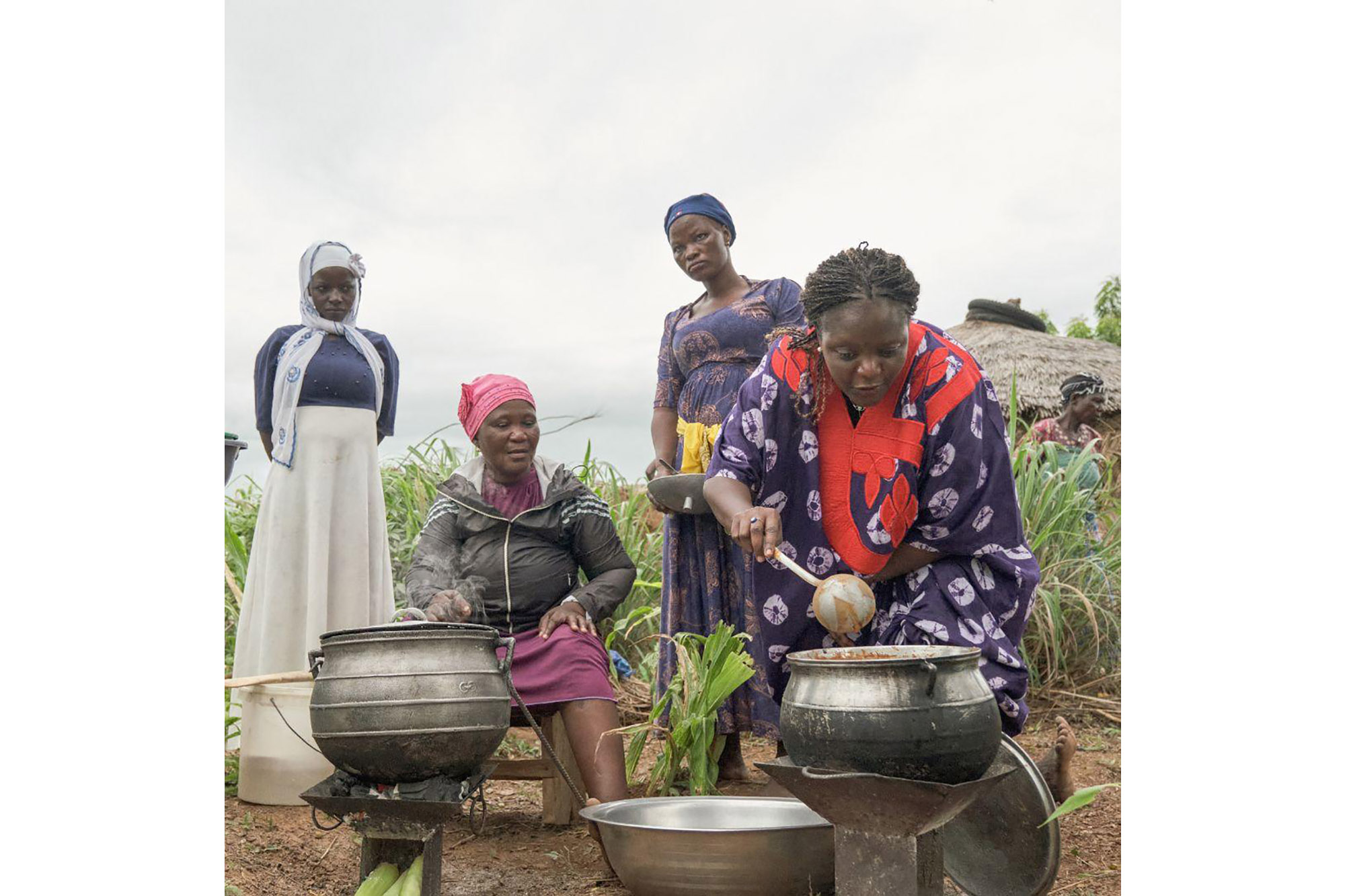
In West Africa, fonio farming is more than just agriculture, it’s a symbol of resilience and cultural heritage. Chef Binta, an award-winning chef and advocate for nomadic cuisine, is empowering women farmers by promoting this ancient grain. Through the Fulani Kitchen Foundation and support from FAO, she is helping communities enhance food security and shape a sustainable future while celebrating culinary traditions.

If you thought it was just a problem for the birds, think again. Humans and animals have always been connected. Animals provide us with essential resources such as food, clothing, transport and livelihoods, as well as companionship, while supporting healthy ecosystems. With growing populations, urbanisation and increased global livestock production, we are now sharing more spaces than ever. This makes animal health critical—their well-being directly affects ours. Monitoring animal health and disease outbreaks helps save lives, prevent economic losses and stop the spread of diseases—whether they are epidemics or pandemics. Avian influenza is a serious threat to both human and animal health. Here are four things you need to know about avian influenza and how the Food and Agriculture Organization of the United Nations (FAO) is working to protect animals and humans.
Can your nose really tell if food is still safe to eat? In this Science and Cooking episode, we explain why relying on smell can be risky—and what you can do to stay safe.
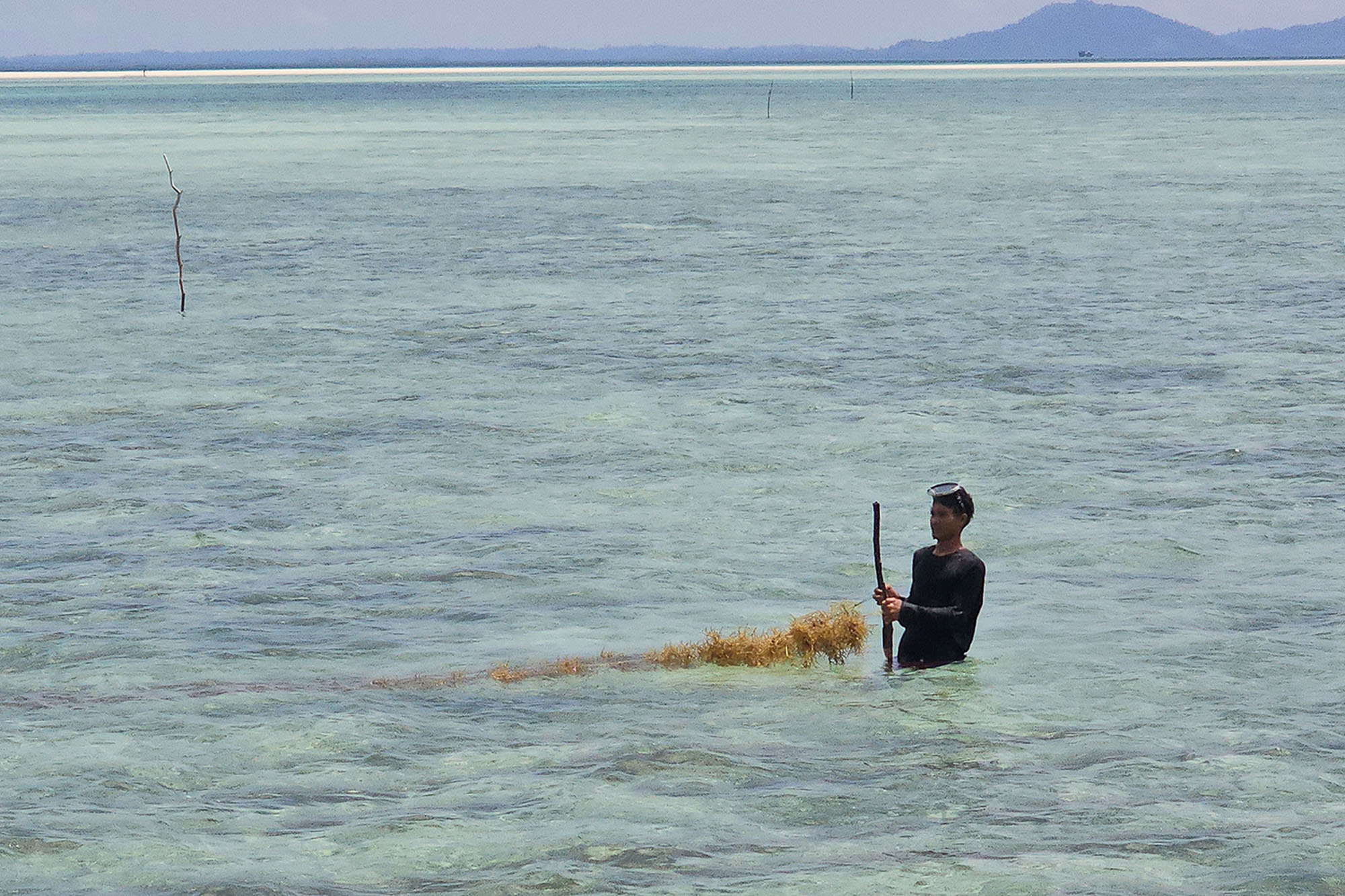
In Tawi-Tawi, Philippines, seaweed farming is a vital livelihood for many, but challenges threaten its future. Farmers like Imilita Mawaldani Hikanti have relied on cultivating agal-agal seaweeds for generations. The province, known as the “Seaweed Capital of the Philippines,” produces around 40% of of the country’s 600 000-tonne annual output of seaweed. However, volatile prices and competition have driven local prices down to PHP 25 per kilo (about USD 0.44), leading to losses for farmers. Additional issues like ice-ice disease caused by climate change exacerbate the situation. To address these challenges, FAO and local authorities have launched a project to enhance seaweed production and value chains.

Khilamaya Nepali stands in her parcel of land, observing a fly trap among her bitter gourd plants. She confidently explains that the trap, using a specific chemical, captures male flies to control their population, a method learned in her farmer field school. She takes pride in her skills and her participation in this initiative. The farmer field schools are part of the Building a Resilient Churia Region in Nepal project, funded by the Green Climate Fund and implemented by the Food and Agricultural Organization of the United Nations (FAO) with the Government of Nepal, aimed at empowering farmers to address climate-related agricultural challenges.

Fisheries are crucial for food, employment, and economic well-being globally. As populations and hunger rise, fish has become essential for food security. However, it is estimated that 1 in every 5 fish caught comes from illegal, unreported, and unregulated fishing, accounting for a loss of 11–26 million tonnes of fish annually. To help curb this trend, FAO promotes sustainable practices through its voluntary Code of Conduct and the binding Agreement on Port State Measures. On the International Day for the Fight against Illegal Fishing, let’s remember that we all play a part in this effort.
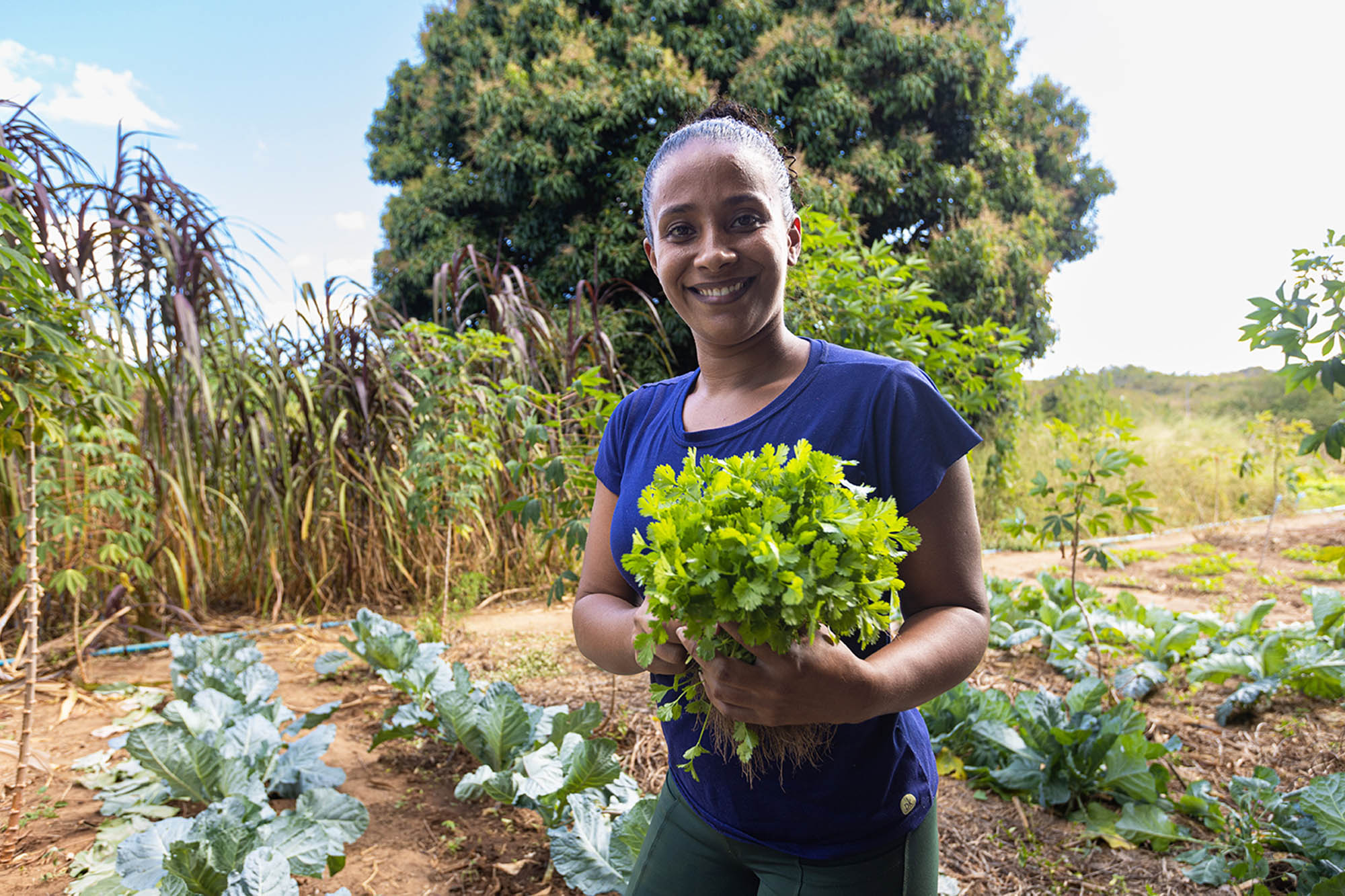
From the highest cloud forest in the Andes to one of the smallest fish in a Chilean river, biodiversity is the invisible thread that ties ecosystems together and sustains agricultural production and food security. Biodiversity is crucial for ecosystems and agricultural production, especially in Latin America and the Caribbean, which host about 50% of the world’s primary forests. These forests play vital roles in carbon sequestration. However, biodiversity is declining due to human activities and climate change. The agrifood sector depends on biodiversity for services like soil health, pest control, and pollination. Acknowledging this, three GEF-funded FAO projects are dedicated to conserving and restoring ecosystems in Brazil, Chile, and Venezuela.
Genetic diversity in animals, plants, and microorganisms supports agrifood systems, vital for life on Earth and our future.

Did you know that the United Nations declared 2024 the International Year of Camelids? The Year highlighted how camelids are key to the livelihoods of millions of households in hostile environments across over 90 countries, particularly Indigenous Peoples and local communities. The International Year of Camelids 2024 built awareness of the untapped potential of camelids and called for increased investment in the camelid sector, advocating for greater research, capacity development, and the use of innovative practices and technologies. But this is just the beginning. We must continue to champion the vital role of camelids in livelihoods and push for greater investment in the sector. Now you can see the camelids in 3D and learn how they help sustain communities living in challenging environments.