

UNESCO’s 5th World Congress added over 26 new biosphere reserves, strengthening global efforts in biodiversity conservation, climate adaptation, and sustainable development initiatives.
UNESCO

Teachers play vital roles in education systems, yet many face isolation and fragmented structures that hinder their professional growth and well-being. This year’s World Teachers’ Day (5 October) focuses on “Recasting teaching as a collaborative profession,” emphasizing the importance of collaboration for improving educational quality. It advocates for policies and environments that support mutual aid and shared expertise among educators. To mark the Day, a global celebration highlighting these themes takes place at the Pan-African Conference on Teacher Education in Addis Ababa, Ethiopia.

UNESCO and Press House-Palestine empowered 150 journalists in Gaza with skills in digital safety, storytelling, leadership, and mental health support amid ongoing conflict.

In South Africa’s Vhembe Biosphere, local farmers blend traditional knowledge with science to monitor climate impacts and adapt to droughts and floods for a sustainable future.

In Mosul, restored mosques and churches reopen together, symbolizing unity, renewal, and the power of culture to bring hope and healing after destruction.

Digitalisation is reshaping learning, work, and social life, offering new opportunities while also deepening inequalities. Despite its potential to improve education access, 739 million people still lack basic literacy, putting them at risk of further exclusion. Digital literacy now includes critical engagement with digital content. This year, International Literacy Day (8 September) focuses on “Promoting literacy in the digital era,” stressing inclusive policies for empowerment and sustainability. To mark the occasion, a global conference is being held at UNESCO Headquarters in Paris.

Through Begum TV’s Tabasum program, Afghan women and girls cut off from education find hope, healing, and empowerment, one broadcast at a time.

3,000 households with no access to electricity received solar kits designed to reduce reliance on firewood, improve living conditions and help protect ecosystems.

International support and local action are reviving Madagascar’s rainforests, paving the way for their removal from UNESCO’s List of World Heritage in Danger.

The 2025 UNESCO International Conference on Cultural Heritage in Africa called for African-led, community-driven heritage initiatives to ensure that World Heritage truly benefits the continent and its people.

Between 2021 and 2023, Kenya faced its worst drought in 40 years. In Turkana County alone, more than 200,000 pastoralists abandoned their way of life. Lake Turkana, the world’s largest permanent desert lake and a UNESCO World Heritage site, offers hope. It produced 17,300 metric tonnes of fish in recent years, and could produce considerably more. The World Food Programme (WFP) and UNESCO, in collaboration with the Marsabit and Turkana County Governments, are launching a new programme to sustainably unlock the lake's economic potential for those living along its shores.
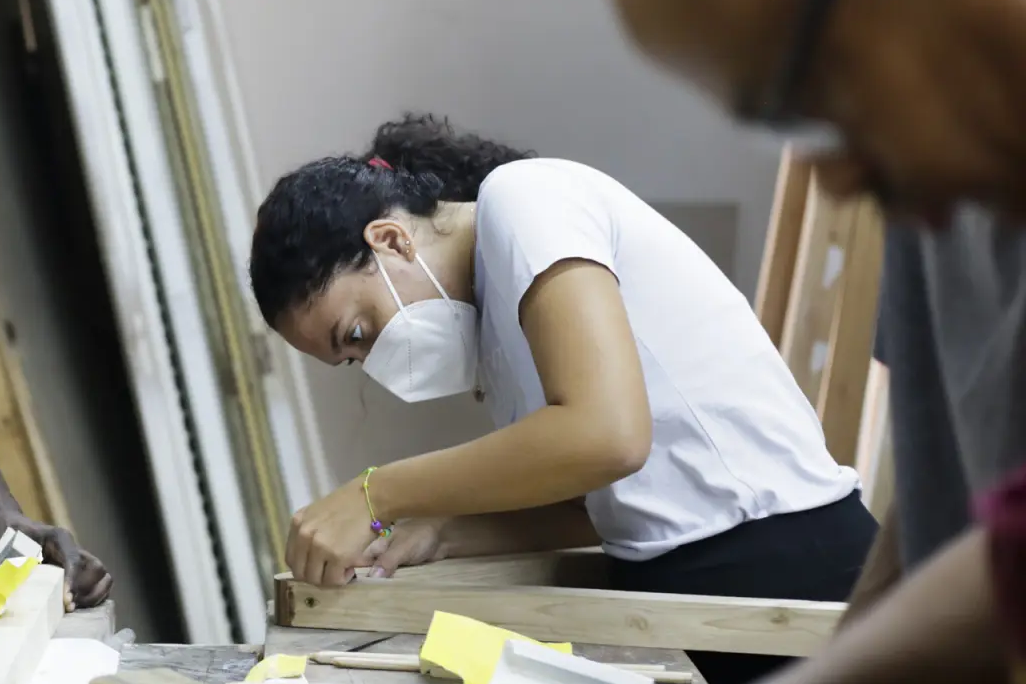
Deborah Papannah, a 27-year-old visual arts student, is pursuing a career in restoration to preserve her country's colonial buildings and artifacts, empowered by training from UNESCO’s Transcultura programme.
Every year, plastic kills over 100,000 marine mammals and a million seabirds, but the Ocean Decade is developing innovative, low-cost technologies to tackle plastic pollution at its source, aiming to prevent further environmental damage.
Research has found plastic waste makes up 80% of all marine pollution, and microplastics were found in every marine turtle, over half of all whales, and a third of seals.
Balancing ocean conservation with human activity starts by bringing together scientists, policymakers, and communities to sustainably share the sea.

Against all odds, fragile coral species in Tatakoto are thriving in extreme heat, offering new hope for reef resilience in a warming world.