

Once again, it's time to swing into another edition of International Jazz Day (30 April). The 2025 observance is hosted by the city of Abu Dhabi and takes place in over 190 countries. The annual All-Star Global Concert features jazz legend Herbie Hancock, with Oscar-winning actor Jeremy Irons as the host. This exciting event is broadcast to millions of viewers worldwide through YouTube, Facebook, and UN WebTV. UNESCO encourages schools, universities, and organizations to participate in the celebrations, with various activities and media featuring jazz music happening around the globe.
UNESCO
On the 2025 International Day of Women and Girls in Science, UNESCO encouraged global participation, inspiring girls to pursue STEM for a brighter future.
Join UNESCO in celebrating linguistic diversity with the launch of the Hawaiian edition of What Makes Us Human, supporting the International Decade of Indigenous Languages.

After Hurricane Otis and Hurricane John devastated Acapulco, UNESCO organized workshops to rebuild communities through culture and empathy, while preserving the city's rich Afro-descendant heritage.
Over half of our planet lies in the ocean's depths, a vast and mysterious world that remains largely unexplored. As part of the #OceanDecade, scientists worldwide are accelerating efforts to discover and understand the deep sea, crucial for its protection and sustainability.
UNESCO’s "Languages Matter" report provides guidance on implementing multilingual education policies to overcome language barriers and support inclusive education for all learners.

The 2024 L’Oréal-UNESCO for women in science awardees, including Dr. Anyanee Kamkaew, Dr. Pongkarn Chakthranont, and Dr. Waleeporn Donphai, signify the importance of gender equality in STEM, advocating for support networks to empower more women in science.

On International Mother Language Day's 25th anniversary, UNESCO and Ka Haka ‘Ula O Ke’elikōlani College celebrate Hawaiian language revitalization, highlighting the "What Makes Us Human" project’s cultural and educational impact.

‘Close your eyes and imagine that an astronaut walks into our hall. Who do you see: a man or a woman?’ UNESCO’s seminar highlighted gender biases in science, discussing the underrepresentation of women in pursuing scientific careers.

Languages play a vital role in education and sustainable development, facilitating knowledge transfer and cultural preservation. With around 8,324 languages worldwide, many are endangered due to globalization. The 25th anniversary of International Mother Language Day (21 February) highlights ongoing efforts to preserve linguistic diversity and promote mother tongues, emphasizing their importance in safeguarding cultural heritage. Established by UNESCO this day promotes inclusive societies and supports the preservation of non-dominant languages, ensuring equitable access to education for all.
On this International Day of Women and Girls in Science, we are imagining what happens when ALL voices in science are included.

In honor of the World Radio Day, the "Radio Bridges - Joint Actions for Climate" contest, organized by COPEAM and UNESCO, attracting 18 countries worldwide, focusing on collaborative radio projects for climate change solutions. Find out!
UNESCO's toolkit helps youth organizations integrate Media and Information Literacy (MIL), promoting critical skills to navigate digital challenges like disinformation and AI impacts.

One year after the black flags of Daesh were lowered over Mosul, UNESCO launched the "Revive the Spirit of Mosul" initiative, a story of hope and resilience showcasing the power of international cooperation.
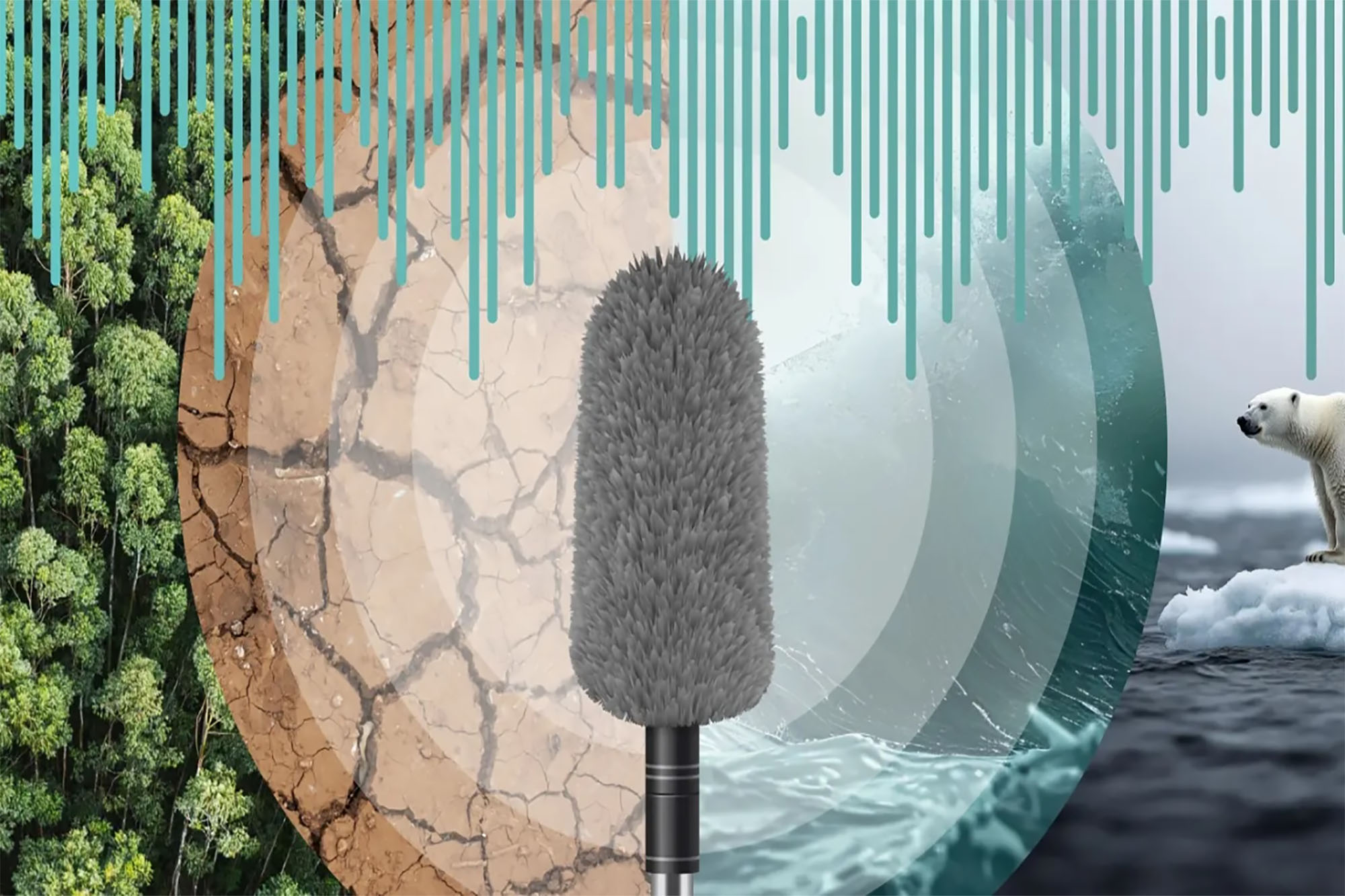
As negative climatic effects escalate, such as 2024 being the warmest year on record and the devastating wildfires in California, effective communication of climate events is crucial. The year 2025 is particularly significant in addressing climate change, as the Paris Agreement mandates that greenhouse gas emissions must peak by then to limit global warming to 1.5°C. To assist radio stations in their reporting on this important topic, World Radio Day (13 February), is dedicated to the theme of “Radio and Climate Change.” Get involved in #WorldRadioDay.