

Xantolo is the Huastec celebration of the dead, observed during the All-Saints festivities in the Huasteca region of Mexico, encompassing Veracruz, Tamaulipas, San Luis Potosí, Puebla, Hidalgo, Querétaro, and Guanajuato. A key feature of the festival is the Parranda or Comparsa of Huehues, where participants embody wisdom and connection to both living and deceased community members. From October 31 to November 4, the Huehues, sustained by community offerings and aguardiente, wear their costumes without removal until a purification ritual on November 4. The Huasteca region showcases three styles of Huehues, with the most colorful representations found in San Vicente Tancuayalab, influenced by Veracruz's Afro-Mexican roots, alongside unique celebrations in San Martín Chalchicuatla and Chapulhuacanito, each with distinct origins and traditions.
UNESCO
The Ocean Decade advances crucial science to better understand and protect the ocean, ensuring a sustainable future for all.
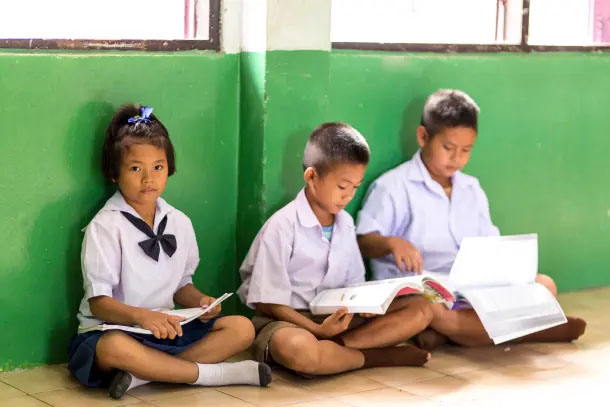
Every first Thursday of November marks the International day against violence and bullying at school which highlights global efforts to combat school violence and cyberbullying.

“I am absolutely sure that never before in this space has been a proper acknowledgment that we humans are not the only beings on the planet, I want to bring into the space the voice of the chimpanzees, the animal that I've been studying for so many years with my dedicated team. And what I'm going to say simply means: this is me; this is Jane. Because the chimpanzees have different ways of announcing their presence,” Dr. Goodall, or Dr. Jane as she likes to be called, then proceeded to speak in chimpanzee to begin her speech at UNESCO’s headquarters in Paris. Dr. Jane Goodall emphasized the importance of collaboration in combating climate change and supporting local communities, aligning with UNESCO’s efforts to leverage local knowledge for biodiversity protection.
Oct 31 is World Cities Day. UNESCO asks: how can cities become hubs for Media and Information Literacy (MIL) learning, especially through multi-actor engagement, physical and virtual MIL activities, and inclusive and accessible MIL participation? Get inspired by UNESCO's MIL Cities Initiatives! Together, we can cultivate informed, critical, and engaged citizens, fostering inclusive, resilient, and sustainable communities for all. Join us on this journey!
UNESCO proclaimed 17 October as the International Day of the Intangible Cultural Heritage, inviting States Parties and stakeholders to celebrate and showcase the richness of living heritage.
This inaugural edition encouraged awareness and action to safeguard diverse cultural traditions for future generations.
Despite progress, 122 million girls remain out of school, inspiring a video for the 2024 International Day of the Girl.

Intangible cultural heritage plays a crucial role in preserving cultural diversity in the face of numerous challenges including globalization. It includes practices, expressions, knowledge, and skills passed down through generations. This heritage fosters a sense of identity, facilitates intercultural dialogue, and promotes social cohesion. For the first International Day of the Intangible Cultural Heritage States Parties and stakeholders are encouraged to organize events to showcase and safeguard their living heritage.
To protect and restore mangroves, one of the planet's most crucial ecosystems, UNESCO launched the MangRes Project in September 2022. Since then, significant progress has been made through collaboration among biosphere reserves, government representatives, and scientists across 7 biosphere reserves in Latin America and the Caribbean. These efforts have focused on gathering data to establish a solid baseline for successful mangrove restoration. The project has also strengthened partnerships with universities and scientific institutions, offering opportunities for young scientists to contribute to mangrove conservation.
Supported by the Government of Flanders (Belgium) and the Spanish National Parks Agency.
The overall long-term strategic objective of the The General History of Africa programme is to promote inclusive African societies which are just, democratic, respectful of human rights and the rule of law. See more information on UNESCO's work in Africa.

The UNESCO committee inscribed 26 new properties, bringing the total number to 1223, in 168 countries. These properties benefit from the highest level of heritage protection in the world.
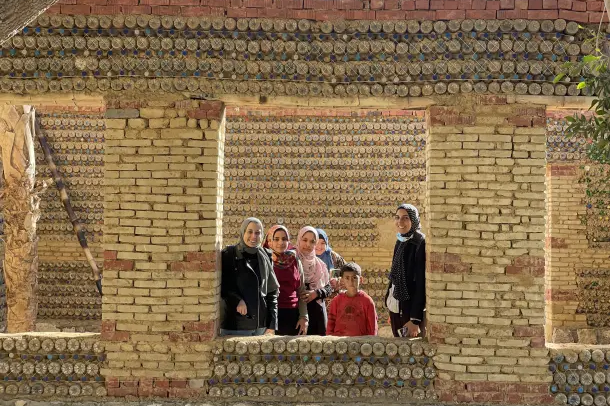
BENAA Foundation empowers youth and communities in Egypt through sustainable projects like the eco-classroom built with plastic bottles and clay, fostering environmental awareness and education.
UNESCO's “Support for Ukrainian Refugees through Media” project has improved refugees' access to reliable information and fostered understanding between refugees and host populations.

To mark the Paris 2024 Olympic and Paralympic Games, UNESCO is celebrating sport's role in promoting equality, dignity, and dialogue through a series of portraits and programmes. The "Change the Game" Partners’ Forum will be held at UNESCO headquarters in Paris on 23 July, followed by a Ministerial Forum on 24 July. The events will bring together ministers, sports organizations, elite athletes, private sector leaders, investors, social entrepreneurs, and other stakeholders to discuss the transformative power of sport for sustainable development.

The Paris 2024 Olympic Torch Relay will visit approximately 30 UNESCO World Heritage sites, concluding its journey in Paris on July 26 with an opening ceremony at a UNESCO site for the first time in Olympic history.