

In Trinidad and Tobago, women united by a shared dream, are learning sewing skills to enhance their economic stability.
Economic Development

7 December 2024 marks the 80th anniversary of the signing of the Convention on International Civil Aviation in Chicago, United States. For eight decades, this defining international agreement has served as the foundation for the development of the global civil aviation system to the benefit of all nations. On this International Civil Aviation Day (7 December), the International Civil Aviation Organization (ICAO) invites everyone to celebrate its 80th anniversary and reflect on how aviation contributes to building safe, secure and sustainable future for all.

As the world faces pressing issues like poverty, inequality, and climate change, the poorest communities are often the hardest hit. The World Bank Group aims to provide social protection to at least 500 million people by 2030, including 250 million women. Economic inclusion programs are vital in boosting income and assets, offering pathways to better job opportunities and resilience. These initiatives now reach 15 million households, benefiting over 70 million people globally, largely through government-led efforts, with NGOs providing additional support. However, nearly 700 million people still live on less than $2.15 per day, highlighting the ongoing fight against extreme poverty and the need to scale up these programs.

“We need a major push to get discussions over the finishing line,” warned UN Secretary-General António Guterres ahead of the culmination of COP29. “The need is urgent. The rewards are great. The time is short”, he added. As the ongoing talks continue through the weekend, two main issues remain at stake: how to finance low-income countries hit hard by global warming and how to curb greenhouse gas emissions that are overheating the atmosphere and causing climate chaos.
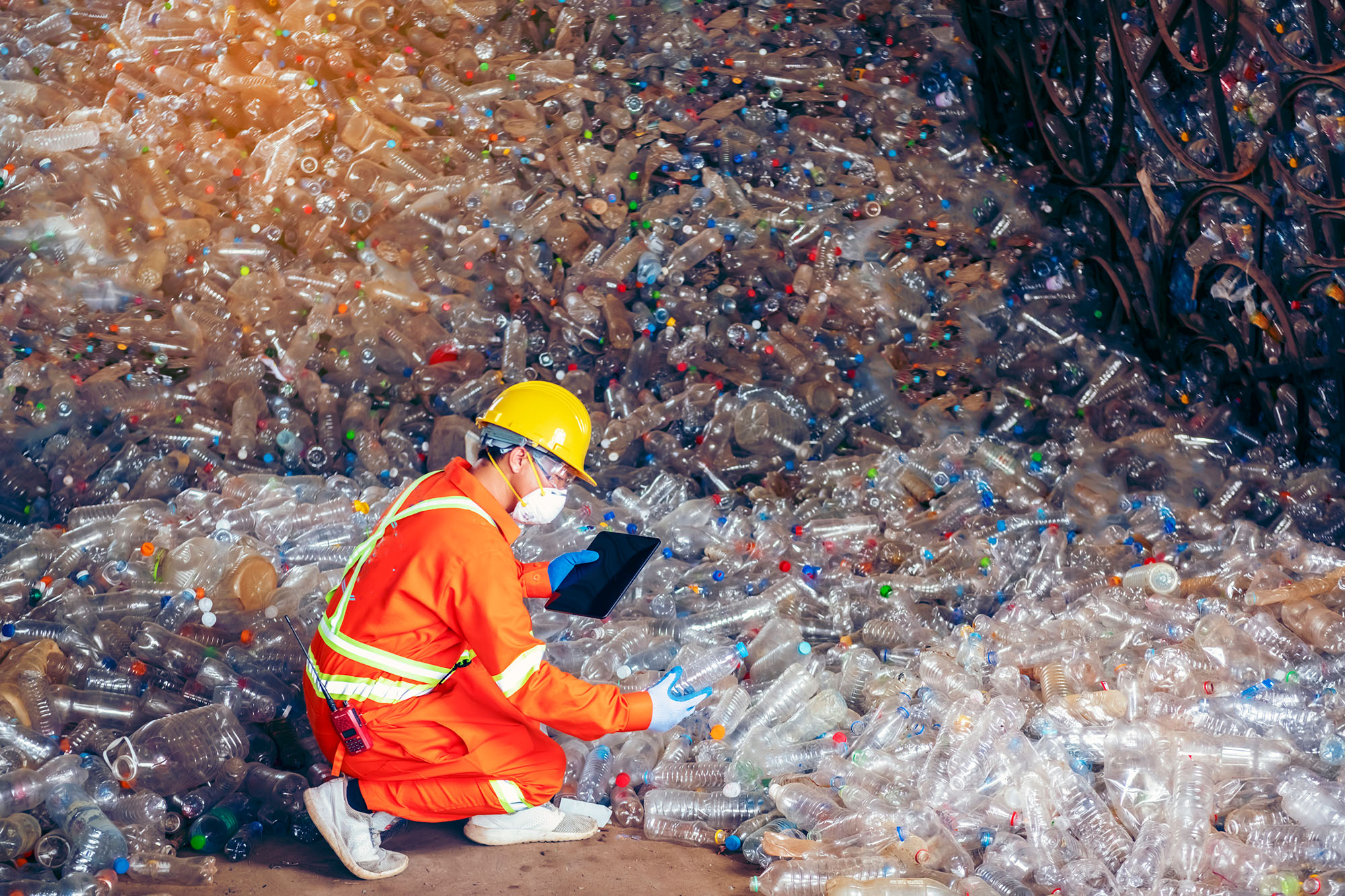
Industrial symbiosis is a circular economy approach where businesses collaborate to repurpose waste and by-products, conserving resources and energy. This method not only benefits the environment but also presents new business opportunities and decent jobs. However, establishing these symbiotic value chains can be challenging, and ensuring that newly created jobs are both green and decent—especially in small and medium-sized enterprises—is not guaranteed. How can we effectively apply this concept to maximize benefits for businesses, workers, economies, and the environment? Sabrina de Gobbi, an International Labour Organization (ILO) Senior Economist, joins the Future of Work podcast to discuss what potential it has to ‘green’ economies and how we can ensure that the jobs it creates are decent.

Urgent action is needed to decouple economic growth from CO2 emissions, ensuring a sustainable future for all.
Bodo and Sanda are reinventing entrepreneurship in Madagascar, creating jobs and empowering youth through IFAD's Agribusiness Hubs.

Rosa Sandoval, a fisherwoman from Lake Güija, adapts to climate change by diversifying income and empowering women for resilience.

In our digitizing world, science is essential for addressing urgent global challenges. This year’s World Science Day for Peace and Development (10 November) invites people to explore the transformative power of science. Young people can engage directly with distinguished scientists, asking questions that matter to them. Under the theme “Why Science Matters: Engaging Minds and Empowering Futures”, the observance will highlight the importance of science, in the context of the International Decade of Sciences for Sustainable Development (2024 – 2033). Join the conversation with #ScienceDay.

Low growth, high debt, and fragmented trade are widening economic divides, urging the need for new development policies to promote sustainable growth.

Global Investors for Sustainable Development (GISD) Alliance business leaders will meet UN officials for their 6th annual meeting (28-29 October, New York) to advance SDG financing. Discussions will support solutions for the UN’s reform agenda, boost and unlock private sector investment in sustainable development, and prepare for the 2025 Financing for Development Conference in Seville, Spain (30 June-3 July). The meeting comes at a critical time when the world needs transformative actions to bridge the SDG financing gap, which has ballooned to USD 4 trillion annually for developing countries.

Nang San Hlaing , from Myanmar, was impressed by the crucial role of women in the development of farming communities in Thailand's highlands. She believes that Myanmar can achieve similar gender equality in the future, despite the challenges of changing attitudes and shifting away from illicit crops. Inspired by what she is learning in Thailand, she wants to implement new farming methods and create social enterprises in Myanmar.

On the cold, wet and foggy slopes of the Andes mountains in South America, a unique but fragile ecosystem illustrates the interconnection between the three most urgent global environmental crises we face today: biodiversity loss, climate change and land degradation. Known as páramos (alpine tundras), these high mountain ecosystems are found at altitudes higher than 3,000 metres. Considered sacred by Indigenous Peoples, the páramos of the Andes have been inhabited by humans for the past 15,000 years. However, with over 76,000 families living in the Colombian páramos today, unsustainable development has been pressuring this invaluable and delicate ecosystem. That is why the Global Environment Facility (GEF) Small Grants Programme (SGP), implemented by the United Nations Development Programme (UNDP), launched the Guardians of the Páramos alliance, in partnership with SWISSAID and World Women’s Corporation Colombia. Over the project’s three years of implementation, a total of 2,328 people participated, most of them rural women.

Augustina Akosua Asor Tufuor’s entrepreneurial journey started at the University of Ghana Business School. She founded Tropical Snacks to create all-natural plantain chips from surplus local produce, aiming to bridge the gap between small farmers and consumers. However, she faced challenges in accessing finance and market information. To address this, the Food and Agriculture Organization of the United Nations (FAO) and the International Trade Centre launched a program called Empowering Women and Boosting Livelihoods through Agricultural Trade (EWAT) in 2021. This program aims to increase women’s competitiveness in trade through strengthened knowledge, skills, and access to finance.

How can we reimagine the global financial system for the 21st Century? How do we rebuild trust in the international community in the face of conflict and polarization? With only six years to go, how do we make up lost ground on the Sustainable Development Goals? These are some of the thorny questions that participants at the Hamburg Sustainability Conference, initiated by the United Nations Development Programme (UNDP) and other actors, will seek to answer. Bringing together leaders from government, the private sector and civil society, the Conference holds the potential to be a critical new forum to reshape and advance sustainable development for the 21st century.