

Ecuador is pioneering sustainable agriculture with innovative practices to enhance productivity while preserving its rich biodiversity and forest ecosystems. The United Nations Development Programme (UNDP) and Lavazza have teamed up to produce the world's first certified 'deforestation-free' coffee. The initiative aims to improve the quality of coffee beans and protect nature and forests, working with farmers in the 23 provinces bordering Ecuador's Amazon rainforest. The initiative is part of the PROAmazonía program, a government-led initiative supported by UNDP, which has restored 15,023 hectares of Amazonian land.
Economic Development

Nisa is a mother of four from Bamyan, Afghanistan. She faced challenges in accessing education and later migrated to Iran. Like many Afghan women facing challenges in their migration journey, her priorities shifted to supporting her family. After a few daily-wage jobs, Nisa found stable work at a noodle-making factory in Iran. After 20 years, her family returned to Afghanistan. Nisa started a noodle business using her experience in Iran. With support from the International Organization for Migration (IOM), she expanded her business and now plans to hire women and open a restaurant.
The International Labour Organization's Employment Intensive Investment Programme (EIIP) helps countries around the world create more and better jobs through public investment in inclusive infrastructure. See how the programme works.
This initiative focuses on the sustainable production of essential oils, promoting bioeconomic activities that generate sustainable income without deforestation. By employing an agroforestry system, the initiative contributes to both the conservation and sustainable use of forest resources.
The world is facing an unprecedented development crisis: the debt crisis. UNCTAD warns that the global public debt has more than doubled from $51 trillion in 2010 and could exceed $100 trillion by 2024. Developing countries owe almost a third of this debt, and their debt is growing twice as fast as that of developed nations.

Mohammad’s Café has transformed into an oasis in the heart of the Diyala market thanks to a grant from the UNDP SME Grant Programme, which allowed him to fully renovate the café and equip it.

The world has changed since postwar economic thought placed GDP growth as its guiding principle. 20th-century progress has pushed planetary resources to the limit and brings the sustainability of traditional macroeconomic models into question. In a new edition of the IMF’s Women in Economics podcast, Kate Raworth talks with journalist Rhoda Metcalfe about her alternative model Doughnut Economics, which places economic objectives within the social and ecological boundaries of the living planet. Raworth is an ecological economist and the author of Doughnut Economics: Seven Ways to Think Like a 21st Century Economist.
Photo: Johannes Frandsen

After bees swarmed a hotel restaurant in Saint Lucia, Richard Matthias called a local beekeeper, William ‘Vavan’ Antione, who captured the bees and asked Richard to take care of them. Now, 15 years later, Richard is a leading beekeeper and apiculture expert in the eastern Caribbean. With support from the Global Environment Facility Facility (GEF) Small Grants Programme (SGP), implemented by the United Nations Development Programme (UNDP), beekeeping projects in the region have helped revive the industry and boost honey production and beekeeper income.
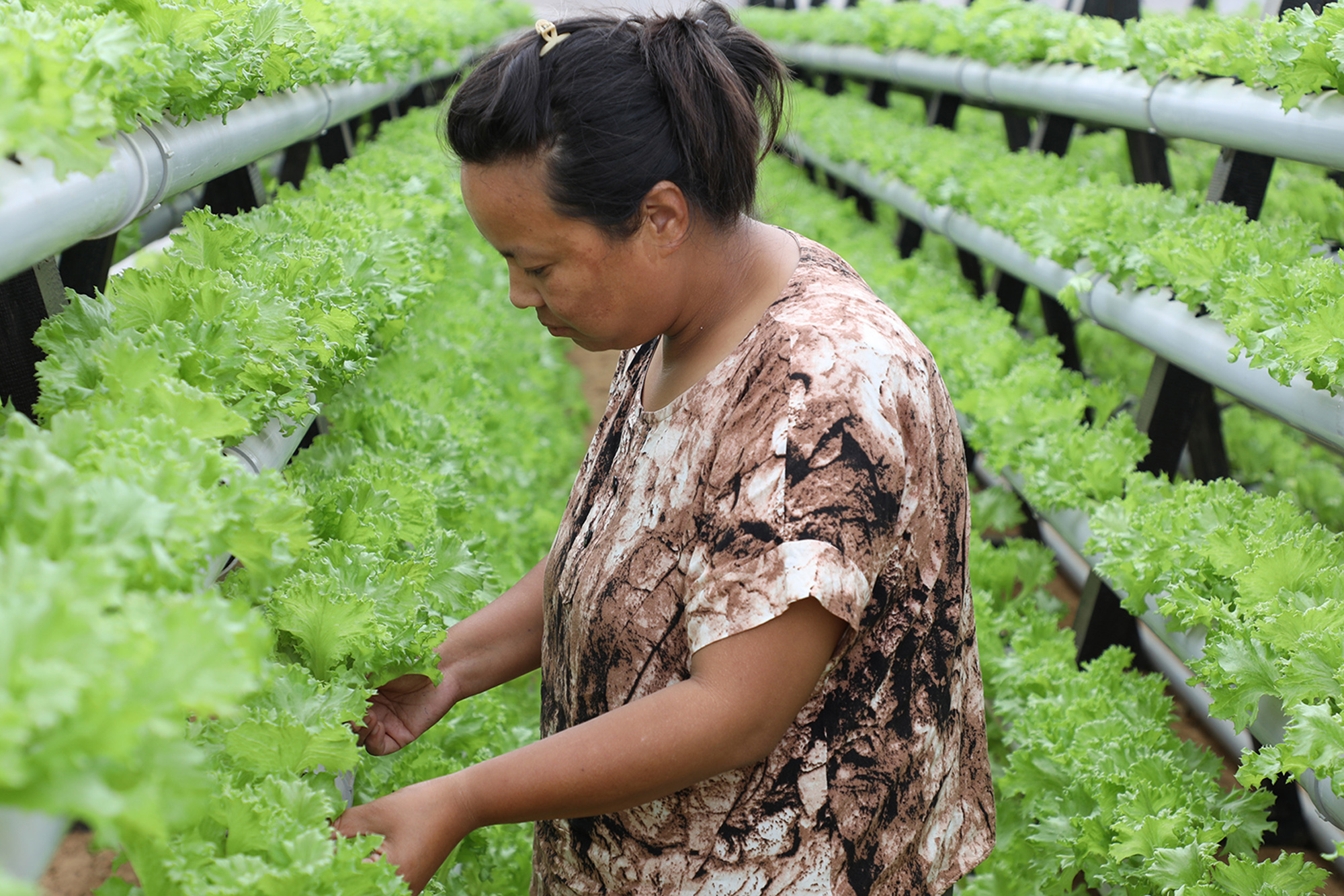
Kinley Wangmo, a Bhutanese mother, turned to hydroponics farming as a solution after losing her source of income during the COVID-19 pandemic. Her interest in hydroponics developed into a passion, leading her to establish Bhutan Hydroponics in 2020. Through her dedication and expertise, she received support from the Food and Agriculture Organization of the United Nations (FAO) for her urban farming project, which has helped her establish three spacious greenhouses.

UNCTAD's new "A World of Debt Dashboard" reveals the global debt crisis, providing critical data on how rising debt and interest payments are straining budgets and impacting development.

Deep in his heart, La Xayyavieng has “always known that agriculture is the lifeline (…) to survive and to grow.” The 46-year-old father of three has long harboured the wish for his children to bring knowledge and experience back from neighbouring Vietnam to the family’s land in Attapeu province in the southeast of the Lao People’s Democratic Republic. La's participation in the "Building Climate-Resilient and Eco-friendly Agriculture Systems and Livelihoods" project implemented by the Food and Agriculture Organization of the United Nations (FAO) has led to a 160 percent increase in the family’s income through a successful watermelon crop. This change has successfully allowed La to grow vegetables in both the rainy and dry seasons.
If you live in a rural area, even a simple trip to the hairdresser can be difficult. In Suden, a village located in the mountainous areas of Tunisia’s Kairouan region, locals must take a shared taxi and drive 35km just to get a haircut. That was until IFAD stepped in, together with the Tunisian government and the Adaptation fund, to support Dhaker, a 21-year-old who had just graduated but was stuck in precarious jobs. He has now opened his own barber shop and not only can he make a living in his hometown, but he is also providing a precious service to the villagers.
The International Fund for Agricultural Development (IFAD) is an international financial institution and a specialized agency of the UN dedicated to eradicating poverty and hunger in rural areas of developing countries.

Nirosha Dilmini has been harvesting eggplants since the crack of dawn on her small plot of land in the village of Tanamalvila in southeastern Sri Lanka’s Monaragala district. She’s been putting her efforts into farming here for six years now. But never has she had such a lucrative year as 2023. She attributes this transformation to the Good Agricultural Practices (GAP) programme implemented by the Food and Agriculture Organization of the United Nations (FAO). Nirosha is one of 645 Sri Lankan farmers across three districts who were trained under the programme and provided with equipment to modernize their farming practices.

The global economy is stuck in low gear, which could deal a major blow to the fight against poverty and inequality. As the International Monetary Funds’s latest World Economic Outlook update shows, global growth is expected to reach 3.2 percent this year and 3.3 percent in 2025, well below the 3.8 percent average from the turn of the century until the pandemic. Yet, as we move beyond the crisis years of the pandemic, we need to prevent the world from falling into a prolonged period of anemic growth that entrenches poverty and inequality, says IMF chief Kristalina Georgieva ahead of Group of Twenty finance meeting in Rio de Janeiro.
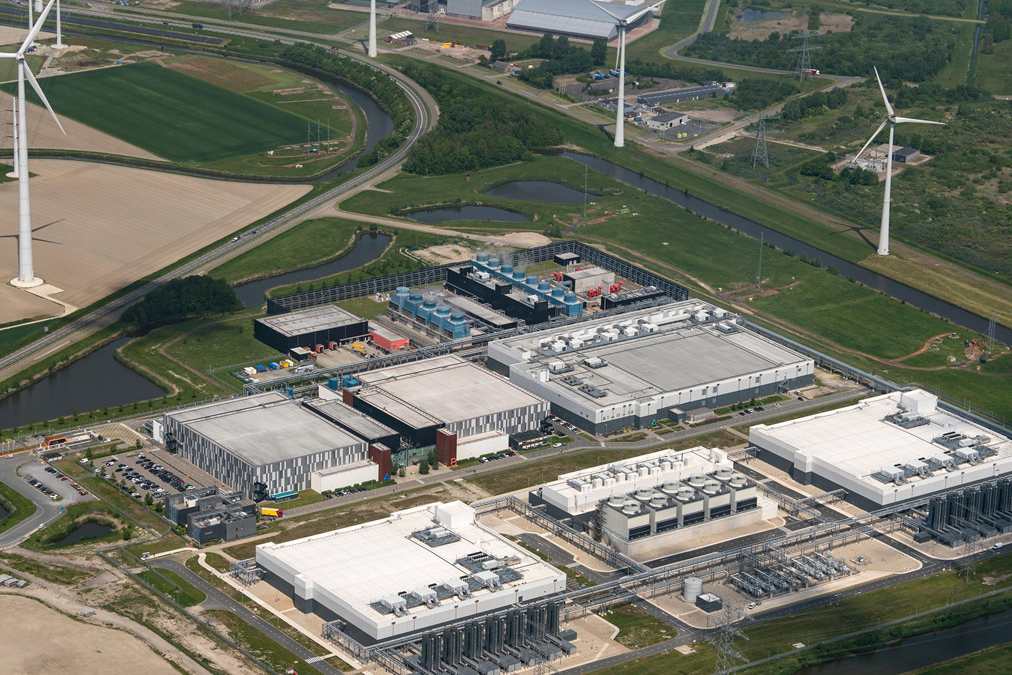
UNCTAD’s Digital Economy Report 2024 advocates for a shift to a circular digital economy to mitigate the growing environmental impact of digitalization, emphasizing sustainability and inclusivity.