

A lot happened in 2024, and not all of it was good. Wars continued, protracted conflicts sprung back to life, disasters struck and people took to the streets to protest for better governance, women’s rights and climate action. The United Nations Development Programme in Eurasia has a lot of work to do to put the world on track for a future that works for all. This means valuing the interdependent needs of humans, animals and nature, and keeping all the options open – environmental, economic, social – for current and future generations to flourish. As we look back to 2024 and forward to the next year, we have some New Year’s resolutions to guide our path, building on the good work and successes we’ve seen across Eurasia.
Economic Development
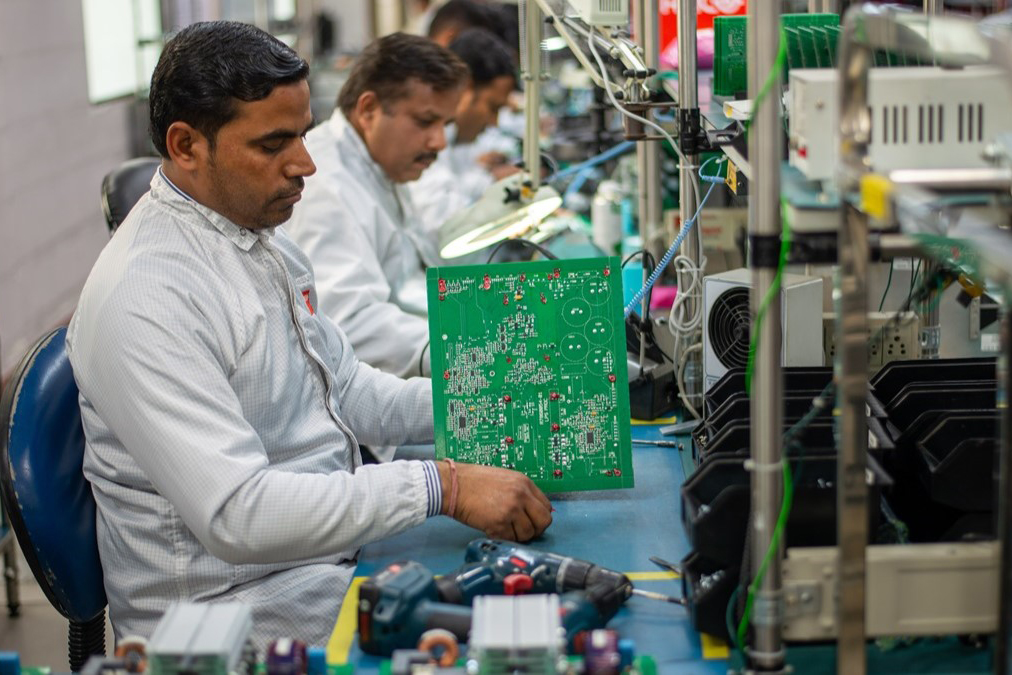
Foreign direct investment (FDI) rose 11% globally in 2024, but excluding conduit economies, it fell 8%, signaling shifts in economic dynamics and persistent uncertainties.

Linda Ampah's journey from a small home workshop to leading a successful garment manufacturing business has empowered hundreds of women, improving productivity, safety, and social policies in the workplace.

In a year marked by crises, 2024 also brought moments of triumph and reasons for hope. From groundbreaking business innovations to examples of remarkable resilience during crisis, here are some stories that remind us that positivity and creativity still thrive even in the most turbulent times.

In Berd, a town in Armenia's Tavush region, a group of women is showcasing the power of sisterhood through the cultivation of beans, a staple symbolizing resilience in rural life. Beans represent nourishment and are part of a shared heritage of patience and hard work. Anahit Paytyan, Alina Paytyan, and Varduhi Melikbekyan each contribute their strengths to the "Berd Bean" Women’s Association. This group was formed under the “Local Empowerment of Actors for Development” (LEAD) programme, supported by the Food and Agriculture Organization of the United Nations (FAO), the United Nations Development Programme (UNDP), and funded by the European Union.

The women from the Novo Airão Artisans Association have gained business skills through the Amazon Biosphere Reserves Project, a collaboration with UNESCO, LVMH, and the Fundação Vitória Amazônica. This support has enabled them to earn a living from their handicrafts and achieve economic independence. By attracting visitors and selling their creations, they not only secure a steady income but also preserve their cultural heritage. Using natural materials like arumã fibres and bacaba stems, they create beautiful pieces that honor their traditions and promote responsible resource use.

Despite lower inflation, improved labour markets and steady GDP growth, economic progress remains slower than pre-pandemic levels, hindering progress, especially in crisis-hit developing countries. The UN World Economic Situation and Prospects 2025 presents the economic outlook for this year, stressing the need for global cooperation and smart policies to lift growth. This year’s thematic chapter focuses on critical minerals for the energy transition to boost climate action, create jobs, and reduce poverty in developing countries. Follow the launch! (9 January 12:30 pm, EST)
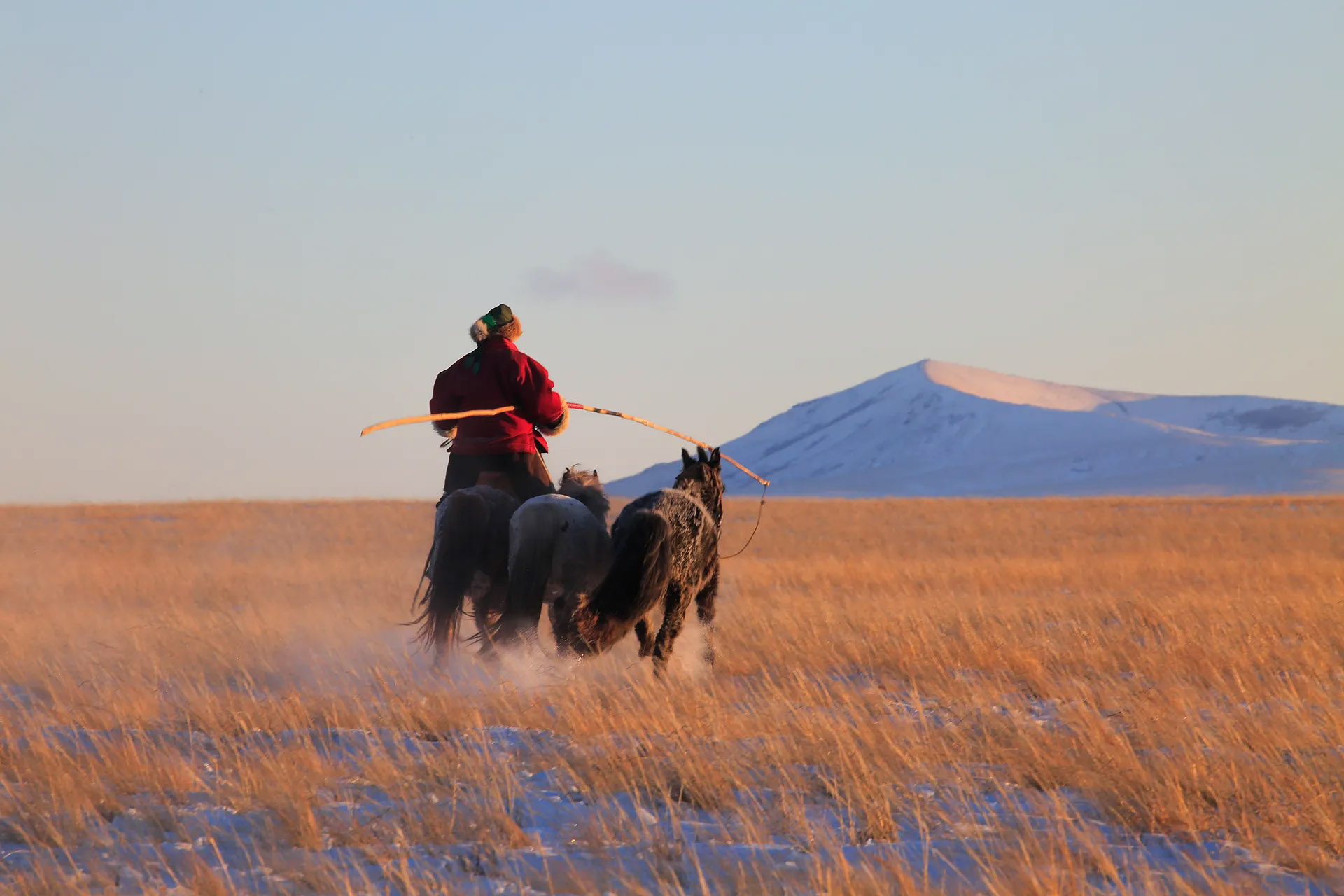
Mongolians lost more than 13 percent of their livestock during the last severe winter, known as the dzud. For rural communities, protecting biodiversity is not just about conserving wildlife—it’s about securing their own future.
Reducing poverty and inequality. Promoting human rights and governance. Building resilience to disaster and crisis. UNDP works to improve lives in more than 170 countries and territories. Here are some of the highlights of its work from the past year.
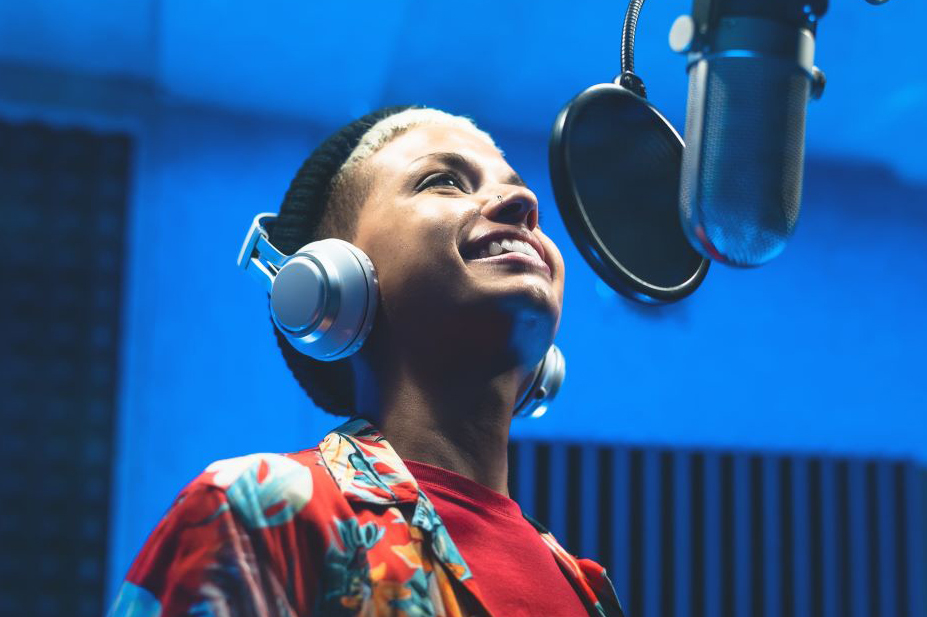
Service exports, representing 25% of global trade, grew by 5% in 2023, outpacing the contraction in merchandise trade and gaining traction as a development strategy.
Experts emphasize the significance of establishing a second Decade for People of African Descent for the period 2025-2034, building on the progress made during the first decade (2015-2024).
They argue that such an initiative is essential to addressing ongoing challenges faced by people of African descent globally, including racial inequality, discrimination, and the need for greater inclusion. By focusing on areas like education, employment, health, and human rights, the proposed second decade aims to further empower African communities, promote social justice, and enhance their contributions to societies worldwide

International migrants make up 4.7% of the global labor force, playing a crucial role in economic growth, yet face challenges such as higher unemployment and gender disparities.

In Magdalena Milpas Altas, Guatemala, Marla Chanta, a 45-year-old artisan, creates opportunities for her family and community. Initially expected to focus on household duties, she embraced traditional craftsmanship, joining Wakami—a social enterprise empowering rural women through sustainable business and education. Founded by Maria Pacheco 20 years ago, Wakami helps women like Marla generate income through handcrafted goods, aiming to improve their lives and protect the environment. In 2023, the Mountain Partnership of the Food and Agriculture Organization of the United Nations (FAO) partnered with Wakami connecting women artisans' cultural heritage with contemporary design. In 2024, Italian designer Vivia Ferragamo collaborated with Wakami to create a collection reflecting local traditions and culture.

With IFAD's support, rural farmers in North Africa and the Middle East are improving their marketing skills, boosting incomes, and gaining recognition for their high-quality products.

With over 9000 attendees from more than 175 countries and more than 300 sessions, the 19th annual meeting of the Internet Governance Forum opens its doors today in Riyadh for five days (15-19 December) of discussions on public policy issues about the Internet. Under the theme ''Building our Multistakeholder Digital Future'', the conference will focus on four main themes, including the digital contribution to peace, development and sustainability; human rights and inclusion in the digital age; improving digital governance of the Internet; and harnessing innovation in the digital age.

For Saeeda, a coffee farmer in Taiz, Yemen, her work is a legacy. Growing up on her family’s farm she learned to care for coffee trees from her parents. Now, as she tends to her family’s 8,400-square-metre plot, her love for the land and dedication to Yemen’s coffee heritage drive her amidst challenges from climate change. With rainfall declining, coffee farmers face significant hardships. To help, the United Nations Development Programme (UNDP), in partnership with the Public Works Project and funded by the World Bank, has built rainwater-harvesting tanks in the region. These tanks have helped farmers like Saeeda maintain their crops during droughts. Saeeda dreams of a future where Yemeni youth continue the coffee legacy, encouraging them to recognize its economic and cultural value.