

Global growth is projected to slow for the third year in a row, almost three-quarters of a percentage point below the average of the 2010s.
Finance
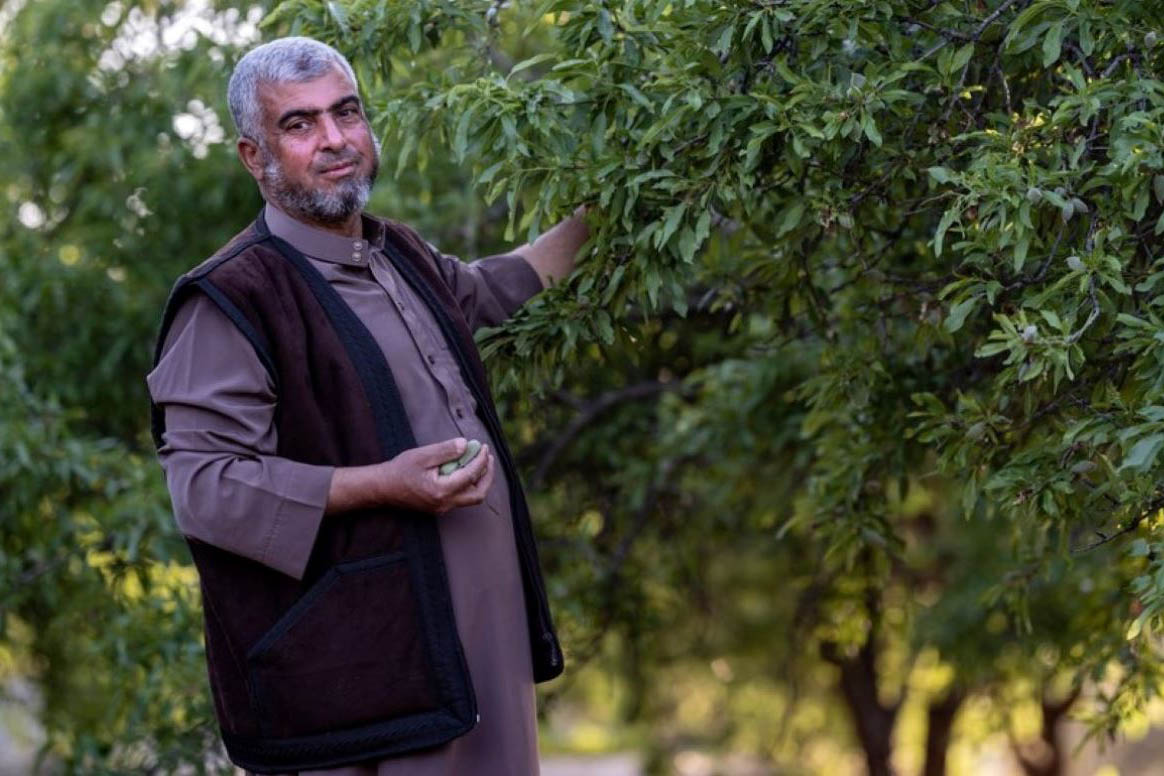
Rural people help the world flourish and by investing in them, a new day is possible. Here are inspiring stories of 2023.
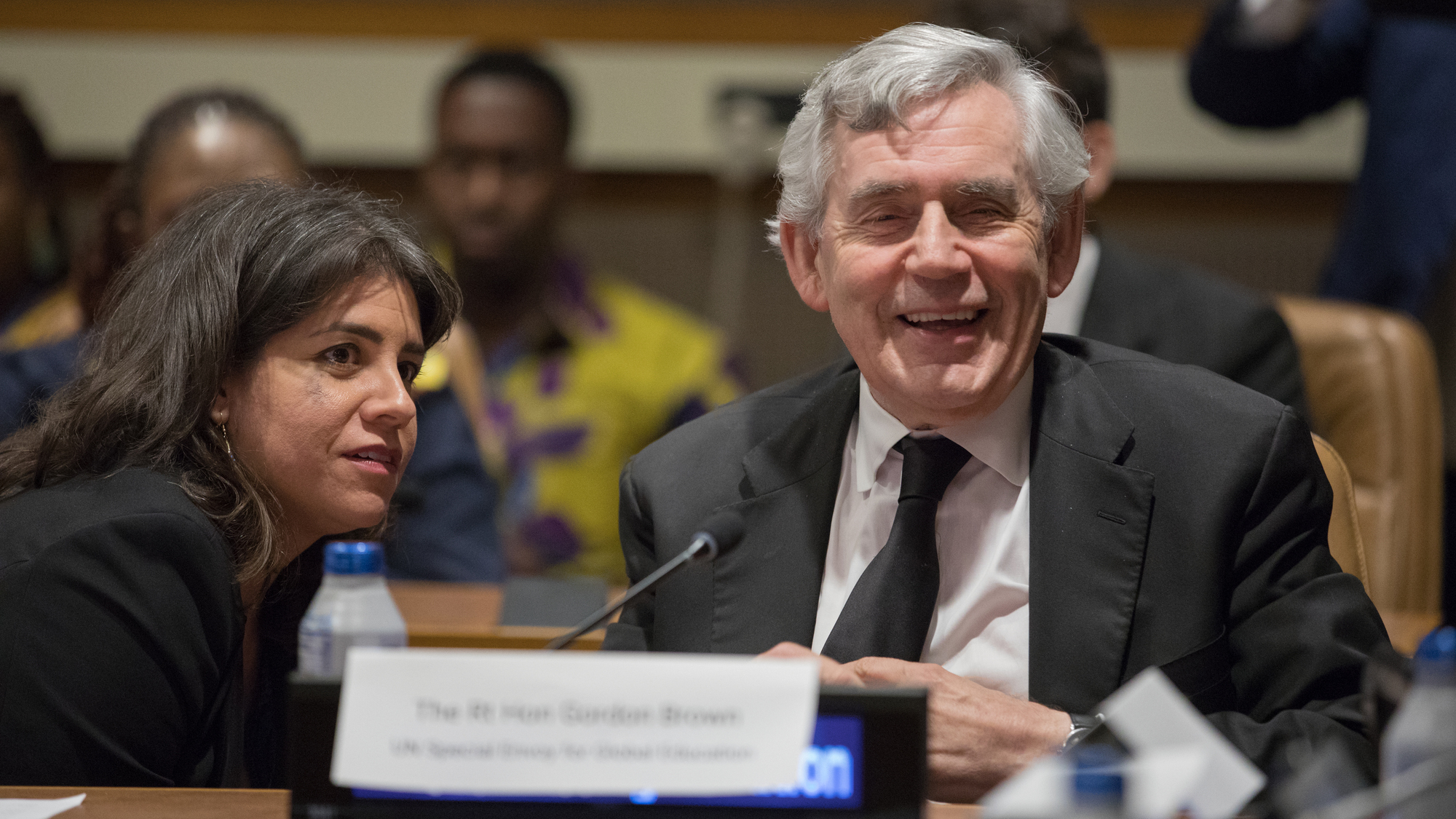
“There is talent, there is potential, there is brilliance in all parts of the world. There's a new Einstein, there's a new Malala, you name the brilliant people around the world. But some of them have been denied the chance, even now, to have even the most basic education at school. And so, if 260 million school aged children are not going to school today, or any day, what a waste.”
A committed public servant, Gordon Brown has a strong sense of social responsibility. Now United Nations Special Envoy for Global Education, the former Prime Minister of the United Kingdom is working towards a powerful vision: giving every child the chance to go to school.
Modern slavery, trafficking, and child marriage are just some of the factors that contribute to an eyewatering 16% of youth worldwide missing out on school. In this episode, Gordon Brown reflects on the power of education to unleash hidden talent, on his own political legacy, and on why he still believes collaboration is the key to solving global crises.
“The lesson for me of all the recent crises is [that] cooperation is an essential element of the new world we're in… we waste our resources by everybody doing their own thing.”
Photo: ©UN Photo/Jaclyn Licht

For small-scale farmers, the climate nightmare is real, and they are severely underfunded. They urgently need support to adapt to a changing world. Here are three calls to action from IFAD.

A new report by UNCTAD highlights the urgency of crisis-resilient development finance for Least Developed Countries (LDCs).

UNEP launches the 2023 Adaption Gap Report identifying seven ways to increase financing, including through domestic expenditure and international and private sector finance, to mitigate the rising climate change impacts.
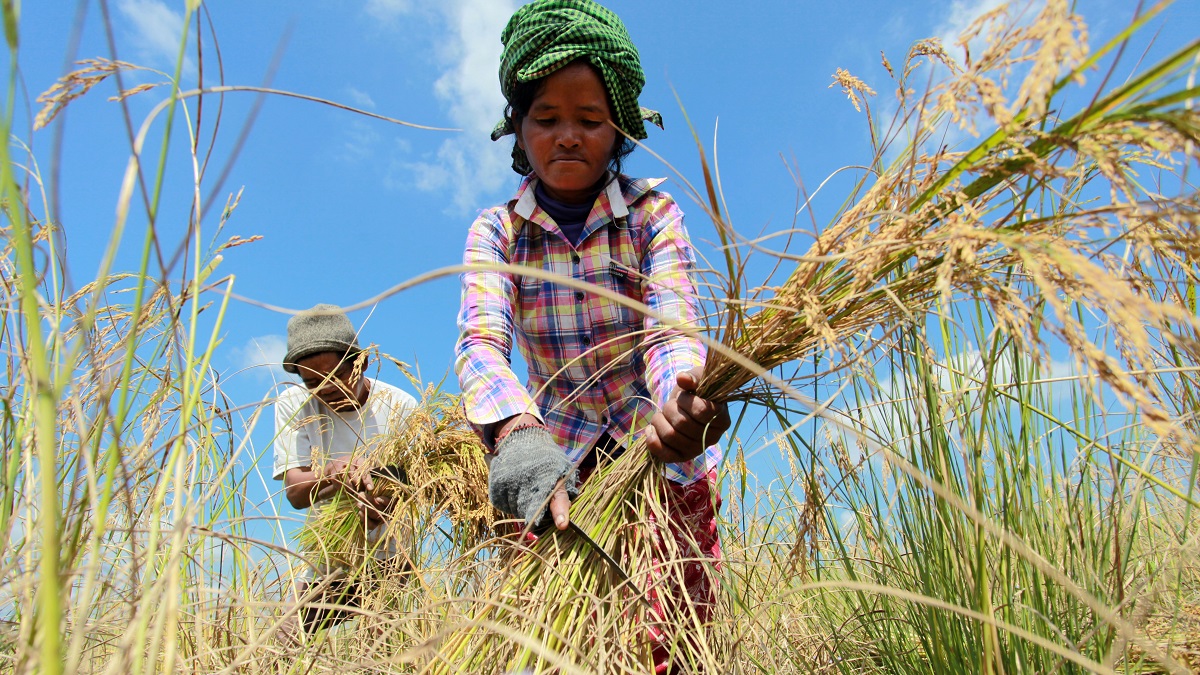
UNCTAD holds the World Investment Forum 2023 (16-20 October) to mobilize financing for climate action, clean energy, health care, food security and other development needs. According to UNCTAD's World Investment Report 2023, overlapping crises such as the war in Ukraine, high food and energy prices, and debt pressures led to a 12% decline in global foreign direct investment in 2022. More than 7,000 stakeholders from 160 countries will convene in Abu Dhabi for the Forum (programme). Dr. Thani Al Zeyoudi, UAE's minister of state for foreign trade, said UNCTAD can play a major role in addressing and ultimately mitigating these interlocking issues.
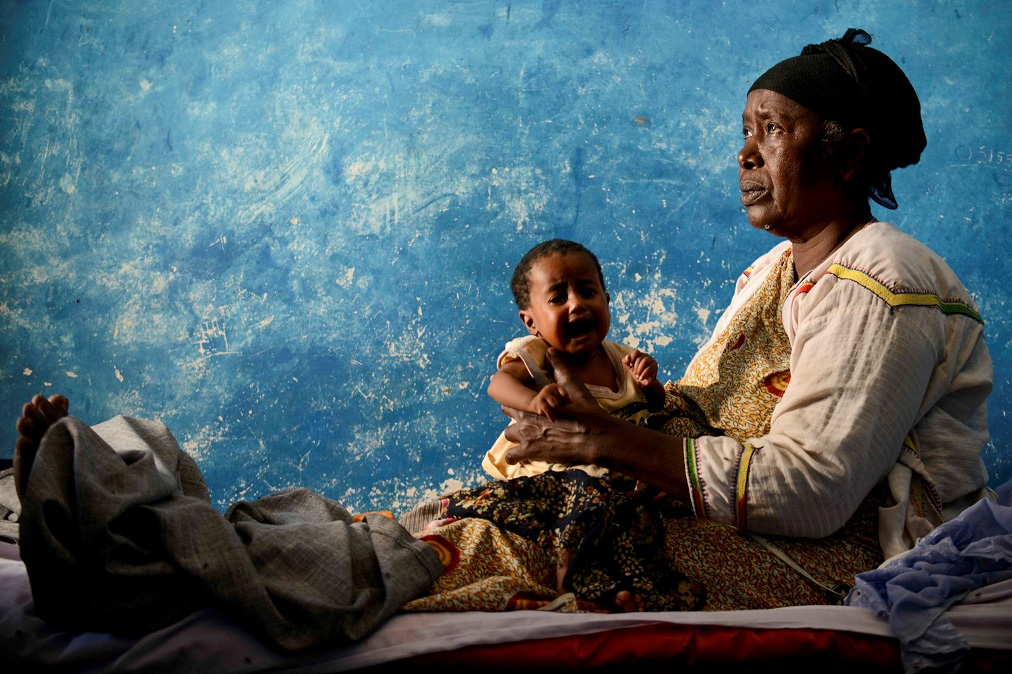
UNCTAD reports global public debt has reached colossal levels, standing at $92 trillion in 2022. This five-fold surge in public debt levels since 2000 demands immediate action to tackle the escalating crisis affecting developing countries. On average, African countries pay four times more for borrowing than the United States and eight times more than the wealthiest European economies. A total of 52 countries – almost 40 percent of the developing world – are in serious debt trouble with half of all developing nations spend a minimum of 7.4% of their export revenues on servicing external public debt.
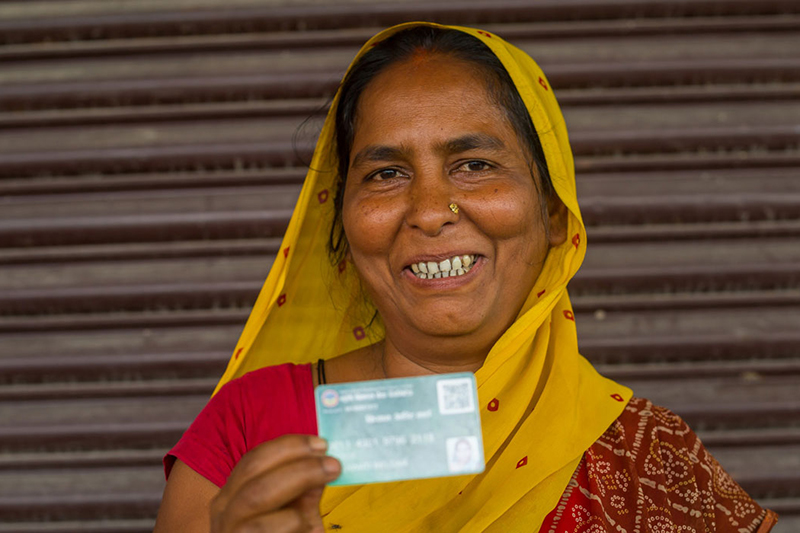
“Making the most of remittances and diaspora investments can, paradoxically, curb the need for more to migrate. These flows are great contributors to the wellbeing of millions,” said Álvaro Lario, the President the UN’s International Fund for Agricultural Development (IFAD) at the opening session of the Global Forum on Remittances, Investment and Development (GFRID) in Nairobi.

Officially recorded remittance flows to low- and middle-income countries (LMICs) are estimated to grow by 1.4% to $656 billion in 2023 as economic activity in remittance source countries is set to soften, limiting employment and wage gains for migrants, according to the World Bank’s latest Migration and Development Brief released on 13 June 2023. This edition of the Brief also revises upwards 2022’s growth in remittance flows to 8%, reaching $647 billion.

Global growth has slowed sharply and the risk of financial stress in emerging market and developing economies (EMDEs) is intensifying, according to the World Bank’s latest Global Economic Prospects report. In EMDEs other than China, growth is set to slow to 2.9% this year from 4.1% last year. With increasingly high interest rates and restrictive global credit conditions, one out of every four EMDEs has effectively lost access to international bond markets. Growth projections for 2023 are less than half from a year ago, making EMDEs highly vulnerable to additional shocks.
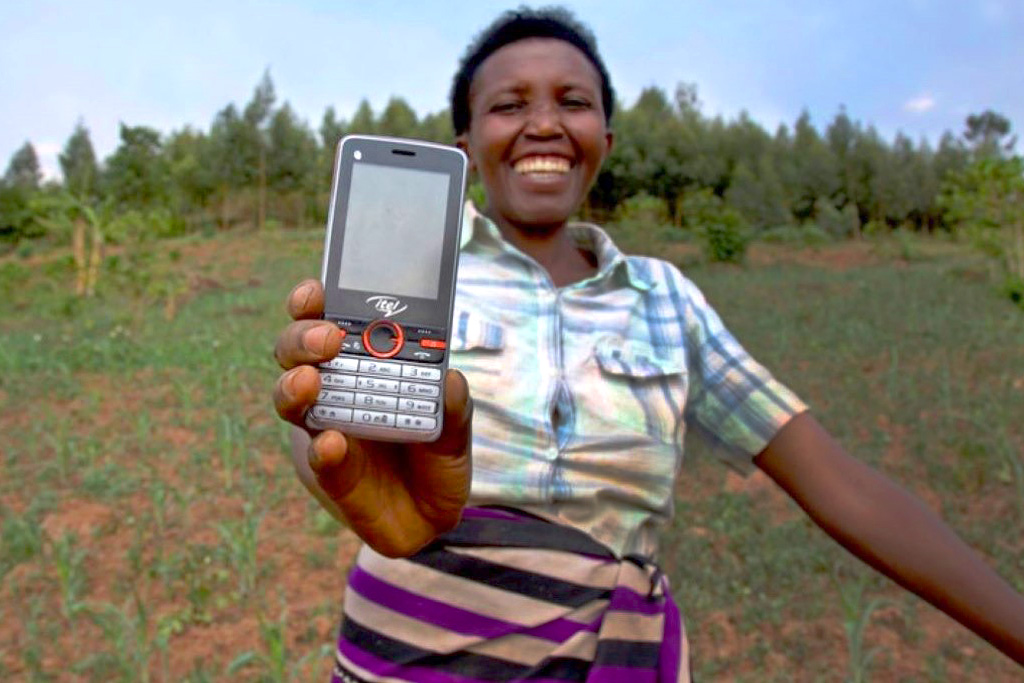
Over 50 per cent of remittances are sent to households in rural areas, where 75 per cent of the world's poor and food-insecure live. Rural households rely on these flows for improving their livelihoods. Globally, the accumulated flows to rural areas over the next five years will reach US$1.5 trillion. This International Day of Family Remittances (16 June) focuses on promoting digital technologies to enhance financial inclusion in low- and middle-income countries (LMICs). The Day also aims at achieving the cost reduction target of 3% as mentioned in the Sustainable Development Goal 10.c.

The IMF reports how recent events have shown central banks can deal with financial stress without compromising their inflation-fighting stance despite trade-offs between price and financial stability.
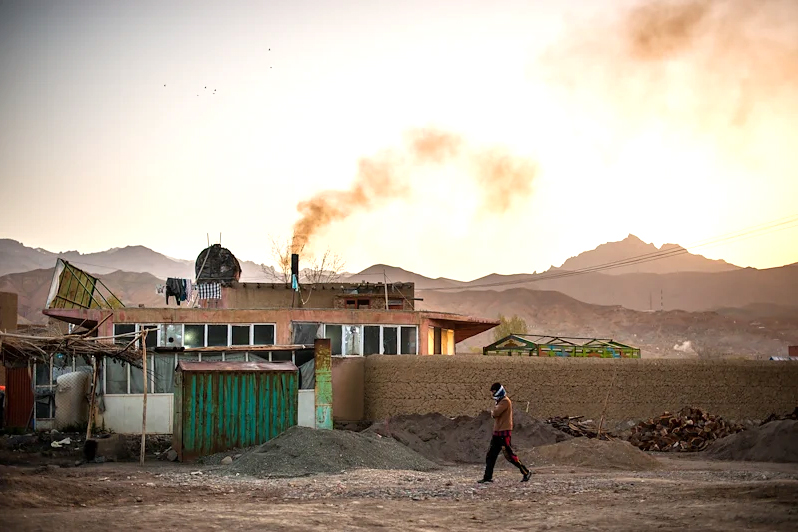
The overlapping food, health, energy and economic shocks of the past few years have pushed many into poverty and developing countries to the verge of default on their crushing debt burdens. Halfway to the 2030 deadline, financial and industrial transformation to meet the SDGs and close the widening gaps between rich and poor is critical. For UNDP, a reformed financial system that delivers sustainable transformation must include domestic and international tax norms that meet the needs of developing countries. It also requires policies that link private sector profitability to sustainability.
The global economy’s gradual recovery from both the pandemic and Russia’s invasion of Ukraine remains on track. China’s reopened economy is rebounding strongly. Supply chain disruptions are unwinding, while dislocations to energy and food markets caused by the war are receding. Simultaneously, the massive and synchronized tightening of monetary policy by most central banks should start to bear fruit, with inflation moving back towards targets. The IMF forecasts in the World Economic Outlook that growth will bottom out at 2.8 percent this year before rising modestly to 3 percent next year.