

At 65, Mariam Kamano leads grassroots mediation in Guinea’s Forest Region, resolving cross-border, land, and family disputes with patience, persistence, and unwavering dedication.
IOM

Giselle and José, from Venezuela, met in Mucajaí, a small town in northern Brazil, where they bonded over high school and quadrilha rehearsals. José shares that dancing the quadrilha eased his loneliness and helped him feel at home in Brazil. The quadrilha junina, a lively folk dance filled with colorful costumes and joy, plays a central role in Brazil’s mid-year festivities, attracting thousands in Roraima, where they now live. Amid a wave of over 700,000 Venezuelan migrants in Brazil, many have benefited from Operation Welcome, a government initiative launched in 2018 with IOM’s support, which offers humanitarian support and relocation opportunities for rebuilding lives.

In war-scarred Tigray, displaced families at Maidimu navigate profound loss with dignity, turning survival into renewal through water, art, play, and quiet acts of resilience.
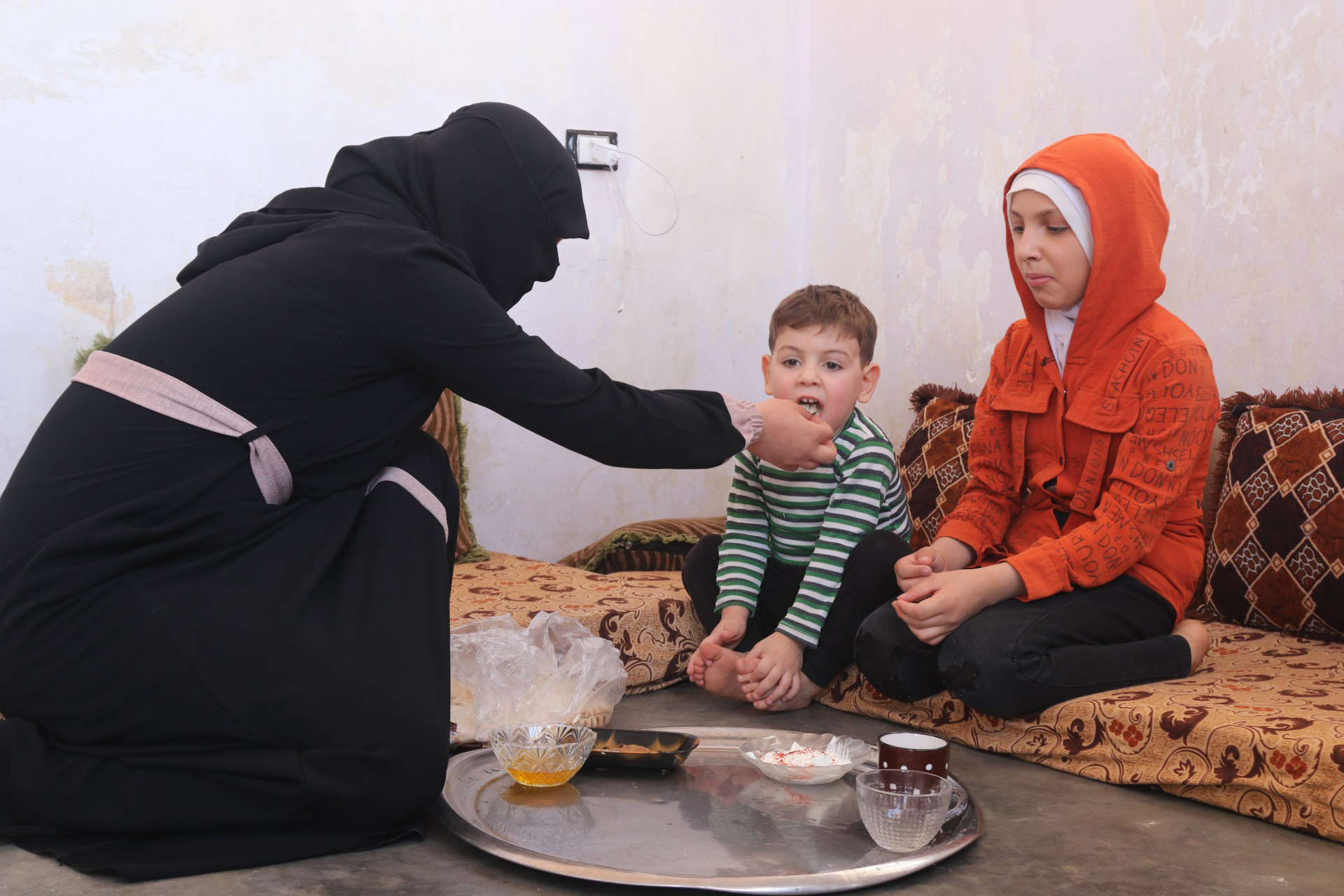
After a decade apart and years of hardship abroad, sisters Doha and Natija return to Syria to rebuild their lives with the support of community-based services that offer legal, psychosocial, and housing assistance.

After years of silence and struggle, 15-year-old Merve’s life transformed with a single hearing aid, unlocking her confidence, connection, and dreams for the future.

In Quito’s historic house, migrants find refuge, community, and support from landlord Francisco. They share stories of resilience and hope while building new lives together.

When he began practicing medicine several years ago, Dr. Jürgen Adam Sánchez believed his role was to treat diseases. However, working closely with migrant children and adolescents, he quickly realized that the deepest pain is often not physical but rooted in the stories these young migrants carry with them along their journeys. Sánchez is a Mexican physician specializing in public health based in Hermosillo, Sonora. At 29, he has served as a shelter coordinator, university professor, and activist. Sánchez advocates for compassionate healthcare and believes in the potential of migrant youth to break cycles of violence, emphasizing the importance of strong peer support networks alongside access to services. He is committed to creating a fairer world for migrants.

Like many others on the Horn of Africa to Yemen route, a 20-year-old Ethiopian woman became a target of traffickers. Months later she found safety at IOM’s Migrant Response Point in Sana’a, where she gave birth.

Through powerful survivor testimonies and public art, IOM Moldova brings visibility to trafficking victims and strengthens national response efforts.

Investing in the future of communities that are most likely to migrate to other countries is more effective than spending money on reinforcing border security according to Amy Pope, Director General of the International Organization for Migration (IOM).
Ms. Pope was speaking on the sidelines of the UN’s Fourth International Conference on Financing for Development Sevilla, Spain. The Conference was a crucial opportunity to push for financial reforms and boost investment in the Sustainable Development Goals (SDGs), 17 global goals adopted by all UN Member States to end poverty, protect the planet, and ensure healthy lives for all by 2030, including Goal 10.7 on the orderly, safe, regular and responsible migration and mobility of people.
UN News’ Matt Wells spoke to Ms. Pope and began by asking her how sustainable development is linked to migration issues.

In Al-Hajar, Yemen, a new irrigation system by IOM restored water access, reviving farming and bringing hope to a drought-stricken village after years of conflict and hardship.

In rural Guatemala, the Impúlsate programme is empowering indigenous women like Silvia with tailoring skills, turning lifelong dreams into income-generating opportunities and fostering economic independence.

In the heart of Ma’rib’s displacement camps, a football tournament organized by International Organization for Migration offers youth like Basheer a rare sense of connection, purpose, and hope amid hardship.

In April 2023, conflict erupted in Sudan, displacing nearly 15 million people and creating the world's largest internal displacement crisis. Despite the profound devastation and dire humanitarian needs—where over 25 million people face hunger and funding is critically low—Sudanese people continue to display resilience and strength. They maintain their hopes and dreams amid their struggles for dignity, peace, and the possibility of returning home. The narrative emphasizes the importance of recognizing their humanity and the urgent need for global support to alleviate their suffering. Even in darkness, the people of Sudan persist in their search for light.
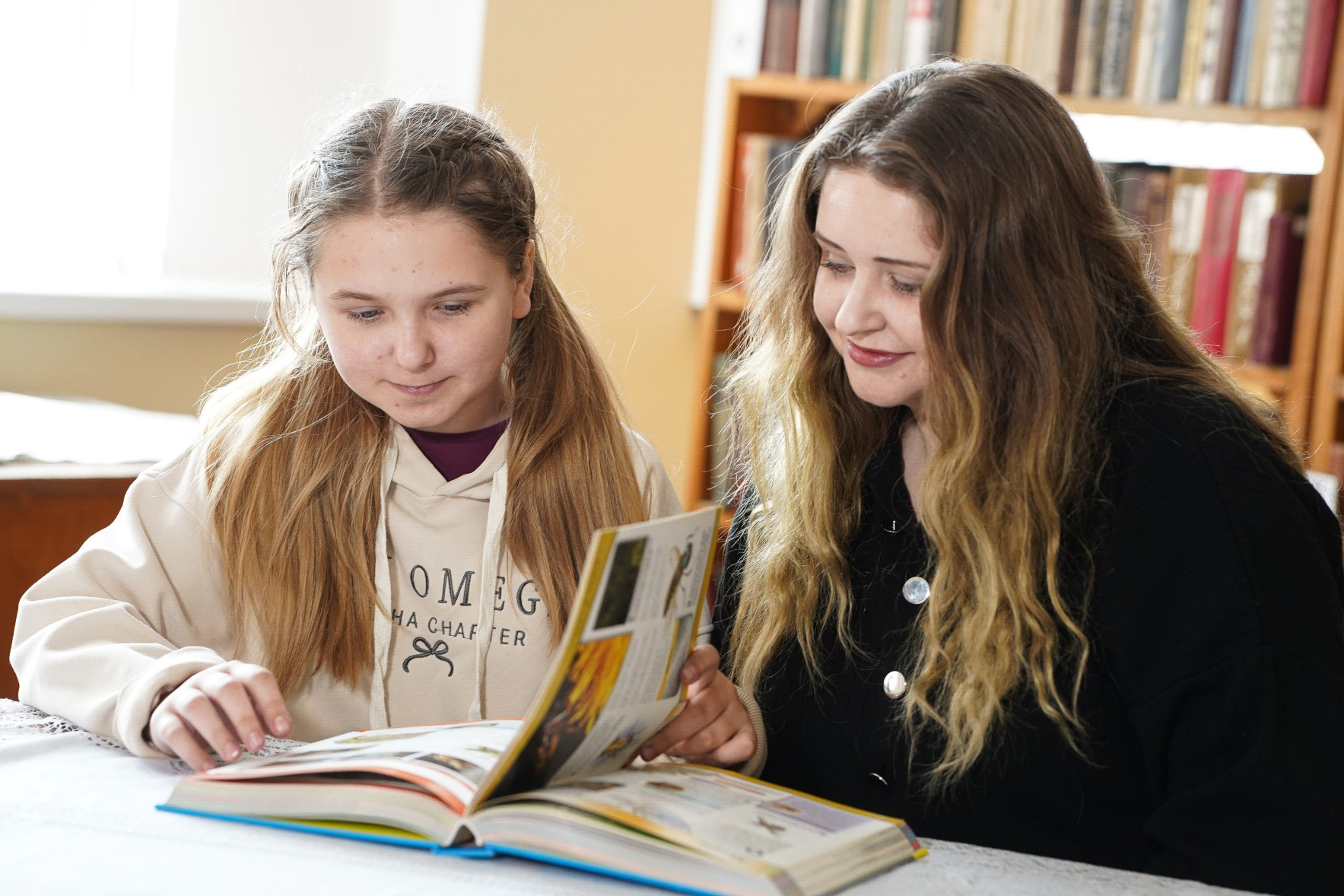
Fleeing war-torn Ukraine, Olga and Eva found safety and healing in Moldova, where a local library became their sanctuary, nurturing friendship, learning, and a fresh start.