

Artificial Intelligence (AI) has the potential to significantly impact sustainable development, positively affecting 70% of the 2030 Sustainable Development Goals (SDGs). However, there is an equity gap in AI development, with only 2% of the world’s data centers located in Africa and minimal investment in AI compared to the US. Additionally, one in three people globally lack internet access. To ensure equitable participation in the AI revolution, 2025 is critical, emphasizing the need for a foundation built on equity and sustainability to avoid widening existing disparities.
UNDP

Fumbwa (Gnetum africanum) is a wild vine with thick leaves found in Africa's tropical forests. It's a staple food in Kongo Central, where local communities, guided by the Rural Initiative for Integrated Development (RIID), are working to preserve these forests that combat climate change. In Kasangulu, charcoal and firewood extraction dominate the economy, as only 11% of the DRC is connected to the electrical grid. The proximity to Kinshasa provides a profitable market for these fuels, but the exploitation of trees is leading to severe deforestation and environmental damage. Forests, which are vital for biodiversity, play a key role in addressing climate change and supporting 1.6 billion people worldwide. Despite their immense value, global deforestation remains a pressing issue, with 13 million hectares lost annually, contributing significantly to greenhouse gas emissions.

We live in turbulent times, with violent conflicts at their highest since World War Two and increasing climate disasters challenging global response efforts. Rapid responses can save lives and shorten recovery times, allowing communities to return to normalcy sooner. Artificial intelligence and digitalization are transforming crisis response. The United Nations Development Programme (UNDP) is using these technologies to provide faster and smarter support for those affected by crises. Here’s how UNDP is currently using AI and our vision for future applications in crisis response.

In a year marked by crises, 2024 also brought moments of triumph and reasons for hope. From groundbreaking business innovations to examples of remarkable resilience during crisis, here are some stories that remind us that positivity and creativity still thrive even in the most turbulent times.

In 2025, we will begin the five-year countdown to the deadline for achieving the Sustainable Development Goals and will also celebrate the 10th anniversary of the Paris Agreement on climate change. These events serve as crucial reminders of the urgent need to accelerate and expand vital development solutions. In November, world leaders will convene at the Second World Summit for Social Development to invigorate the implementation of the 2030 Agenda. Throughout the year, various key events and observances will provide opportunities to emphasize interconnected solutions and encourage action. A central theme across many of these events will focus on four key areas with the potential to transform our world: women, finance, artificial intelligence, and peace.
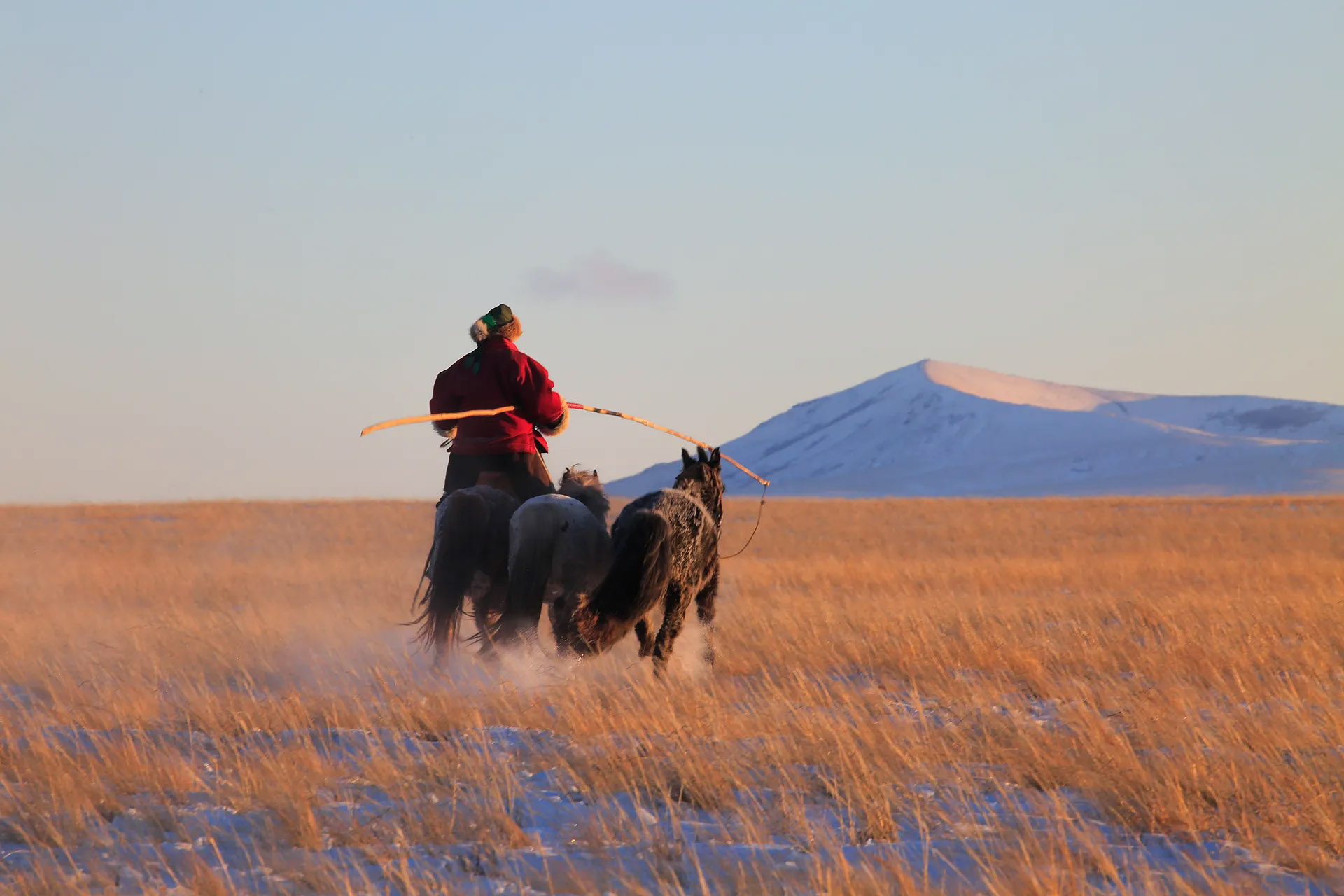
Mongolians lost more than 13 percent of their livestock during the last severe winter, known as the dzud. For rural communities, protecting biodiversity is not just about conserving wildlife—it’s about securing their own future.
Reducing poverty and inequality. Promoting human rights and governance. Building resilience to disaster and crisis. UNDP works to improve lives in more than 170 countries and territories. Here are some of the highlights of its work from the past year.
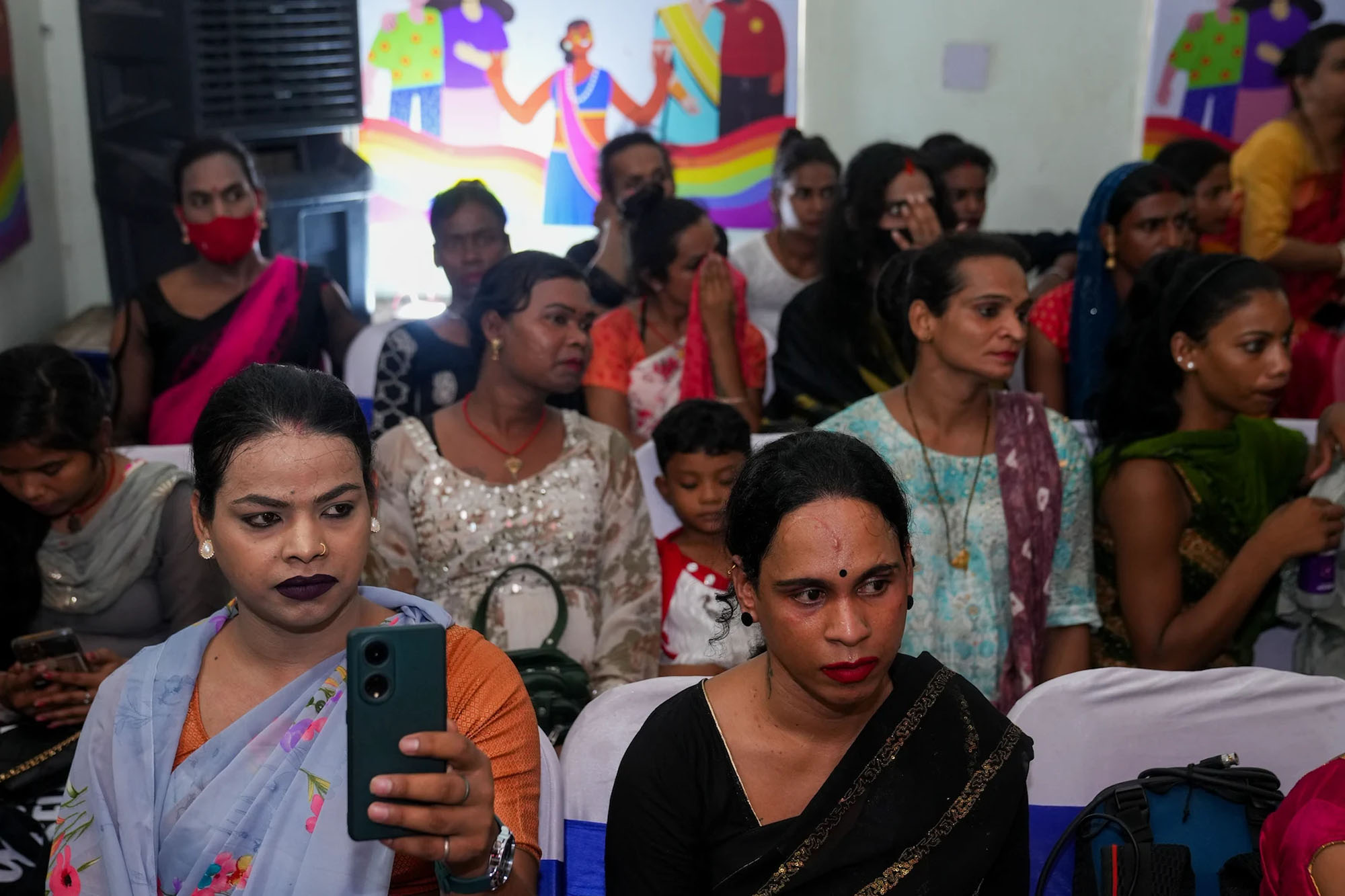
Two decades ago, HIV infections peaked, with treatment available only to a select few. Since then, more affordable anti-retroviral medicines have transformed lives and improved prevention and testing efforts. However, progress does not equal success. Social and legal barriers still hinder access to HIV services, particularly for marginalized populations. Today, most new HIV infections occur outside sub-Saharan Africa. Although infections have declined more among women, adolescent girls and young women in sub-Saharan Africa face infection rates more than three times higher than men. Through its partnerships with the Global Fund to Fight AIDS, Tuberculosis and Malaria, the United Nations Development Programme (UNDP) aims to end AIDS as a public health threat by 2030.

In the Peruvian Amazon, indigenous women are spearheading ecological restoration in the Cordillera Azul National Park buffer zone, addressing deforestation that has impacted over 7,945 hectares of forest. Communities like Santa Rosa de Aguaytía (Shipibo-Conibo) and Yamino and Mariscal Cáceres (Kakataibo) are restoring biodiversity while revitalizing ancestral knowledge. Leaders such as Nilda Vásquez plant native trees, like the endangered ishpingo, alongside agroforestry crops like cacao, creating wildlife corridors and boosting family incomes. Supported by the Sustainable Productive Landscapes project, 2,658 hectares have been restored, improving biodiversity and ecosystem services. This collective effort strengthens governance, climate resilience, and the communities' connection to their land, ensuring a sustainable future for people and nature.

Plastic is more widespread than we realize. While we recognize common items like bags and bottles, many everyday objects contain plastic in surprising ways. Ten unexpected sources of plastic include dust, air, clothing, fish, salt, drink cans, human blood, tea bags, paper cups, and snow. As countries work toward a global treaty to #BeatPlasticPollution, the fifth session of the Intergovernmental Negotiating Committee (INC-5) will be held in South Korea (25 November – 1 December), with the goal of creating a legally binding agreement to combat plastic pollution. The United Nations Development Programme (UNDP) is tackling the plastic pollution crisis through more than 200 projects and 1,000 community initiatives in 132 countries, helping governments develop policies and regulation.

Comoros is leading global biodiversity conservation with ambitious sustainability projects, ecosystem protection, and international partnerships to combat climate change.

The Serbian spruce is an endemic, endangered conifer found in the Balkan region and the oldest living tree in Europe, unknown until the late 19th century. Milan Mataruga, a dedicated forester since childhood, faces the physical challenges of conservation but wouldn't choose a different path. He is a leading scientist in the conservation of this species. The ‘Sustainability of Protected Areas’ (SPA) project, funded by the Global Environment Facility and implemented by the United Nations Development Programme (UNDP), aims to protect biodiversity in the region's native forests and provide sustainable management alternatives to mitigate climate change impacts.

Our relationship with the natural world is broken, highlighting the urgent need for collective action to protect and restore nature and biodiversity.
Download or explore the online version.
Ahlam Salha has been displaced 5 times in #gaza, but her one year old daughter gives her strength. Hear the story of our colleague, an IT specialist from UNDP Programme of Assistance to the Palestinian People.

On the cold, wet and foggy slopes of the Andes mountains in South America, a unique but fragile ecosystem illustrates the interconnection between the three most urgent global environmental crises we face today: biodiversity loss, climate change and land degradation. Known as páramos (alpine tundras), these high mountain ecosystems are found at altitudes higher than 3,000 metres. Considered sacred by Indigenous Peoples, the páramos of the Andes have been inhabited by humans for the past 15,000 years. However, with over 76,000 families living in the Colombian páramos today, unsustainable development has been pressuring this invaluable and delicate ecosystem. That is why the Global Environment Facility (GEF) Small Grants Programme (SGP), implemented by the United Nations Development Programme (UNDP), launched the Guardians of the Páramos alliance, in partnership with SWISSAID and World Women’s Corporation Colombia. Over the project’s three years of implementation, a total of 2,328 people participated, most of them rural women.
COP16 in Cali, Colombia, is a vital opportunity to accelerate global action for biodiversity.