
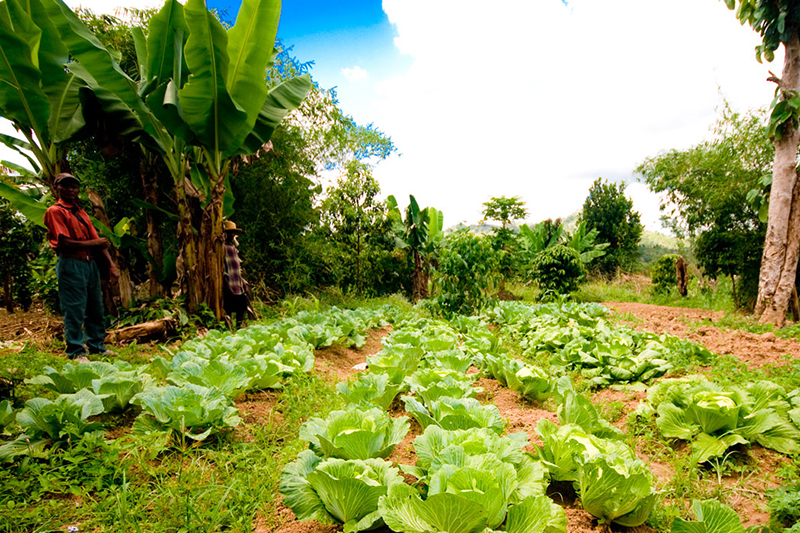
We have tripled food production in the last 40 years. But we know unless we change the way we produce food, we will not only lose those gains, we will pay a terrible price. Covid-19 has made it devastatingly clear that our health and the planet’s health are indivisible; that unless we halt biodiversity loss and repair our relationship with the natural world, more diseases will jump species. It is estimated that three out of every four new or emerging infectious diseases in people in the past 10 years are zoonotic. IFAD is working to help get policy and investment behind more productive, profitable, and sustainable land-use around the world, and directly supporting smallholder farmers to make the shift.
IFAD

2020 has been a tumultuous year. This year, the number of people living in extreme poverty is expected to rise for the first time in two decades. This makes recovery from the pandemic even more precarious. As we reflect on the year, let’s look at how IFAD and rural communities responded to the COVID-19 crisis and what we’ve learned for the coming year. For example, the impacts of COVID-19 have shown us that, in times of crisis, resilience at the local level is essential for survival. It is increasingly clear that rural development solutions have to be nature-friendly.
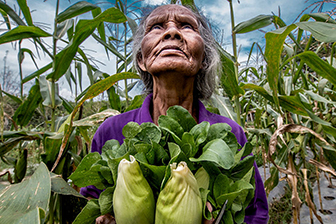
In this episode, we say goodbye to a year that’s been full of uncertainty and change, but also adaptation, innovation and improvement.
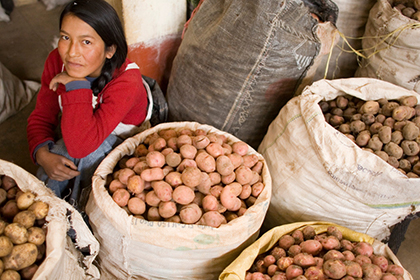
Our current food systems are not sustainable. Hunger has been on the rise for several years, with an estimated 690 million people worldwide going hungry in 2019 – and with the effects of the COVID-19 pandemic, up to 132 million more people are expected to join this number soon. Meanwhile, our food production practices – particularly the expansion of large-scale industrial agriculture – come with an unacceptably high environmental cost, threatening the food security of future generations. IFAD believes small-scale farmers can offer solutions to these problems.
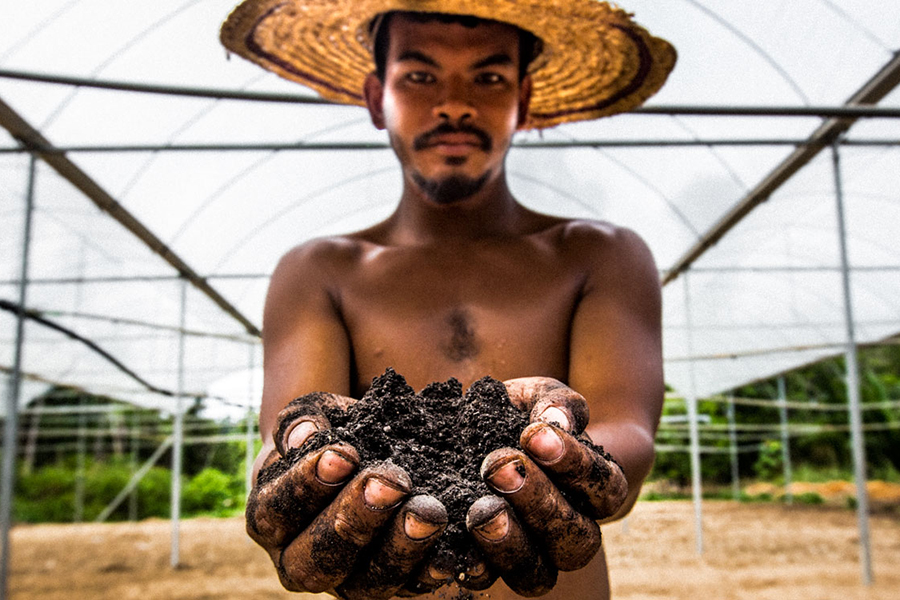

When COVID-19 restrictions in Kenya disrupted access to the export market, the local markets flooded with produce and a group of local farmers, who have been practicing organic farming were stuck with their crop. Such experiences are becoming more and more common – especially throughout Africa. IFAD’s Platform for Agricultural Risk Management (PARM) works with countries and development partners throughout sub-Saharan Africa to promote a holistic approach as risk and uncertainty intensify in the agriculture sector.
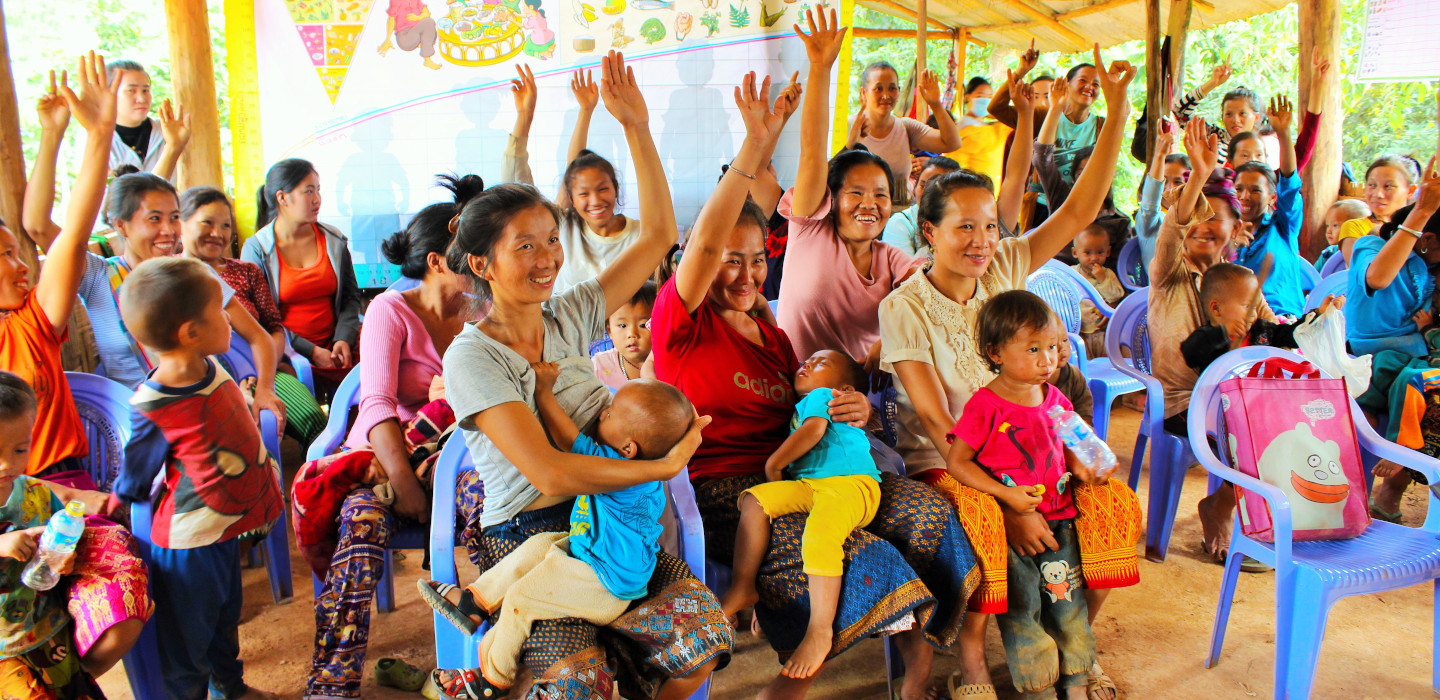
In this month’s programme, we have the latest on COVID-19 from IFAD’s Associate Vice-President Donal Brown; news on nutrition from the Lao People’s Democratic Republic; and a report on getting youth issues right in development activities. We also speak with Marco Minciaroni, a leader in Italy’s agro-ecological movement.
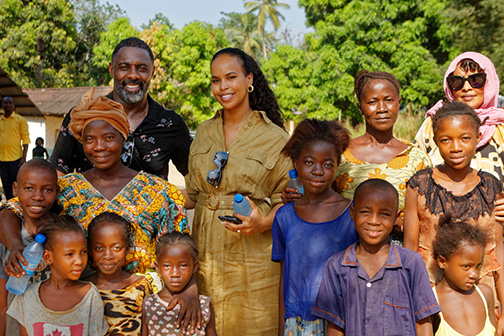
For Idris Elba, returning to Sierra Leone late last year was about two things: reconnecting with his roots and learning about the challenges facing the country where his father was born, so that he could become a better advocate for its people. The actor, producer, and humanitarian took part in a project field visit with his wife Sabrina Dhowre Elba, the model and activist, organized by the United Nations’ International Fund for Agriculture (IFAD) and Global Citizen last December. The Elbas saw firsthand how IFAD transforms the lives of smallholder farmers while in Sierra Leone.
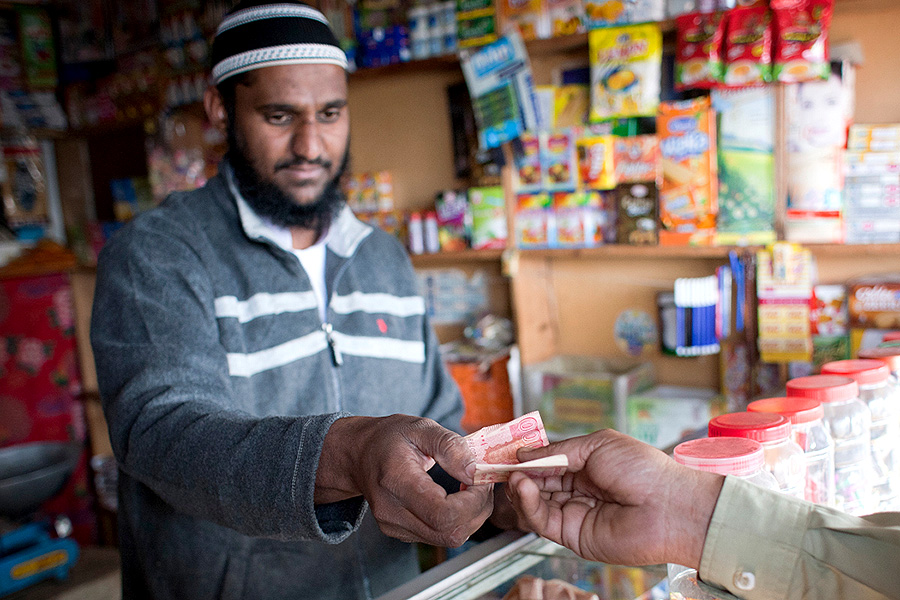
A number of IFAD-supported projects have successfully assisted people with disabilities in setting up their own businesses along all stages of the value chain. As a result, they are now able to support themselves and contribute to their local economies. In rural areas, people with disabilities tend to face more challenges than their counterparts in urban areas. They are less likely to attend school, be employed, be attended by a skilled health worker or own a mobile phone.
IFAD joins the call for greater global cooperation and solidarity
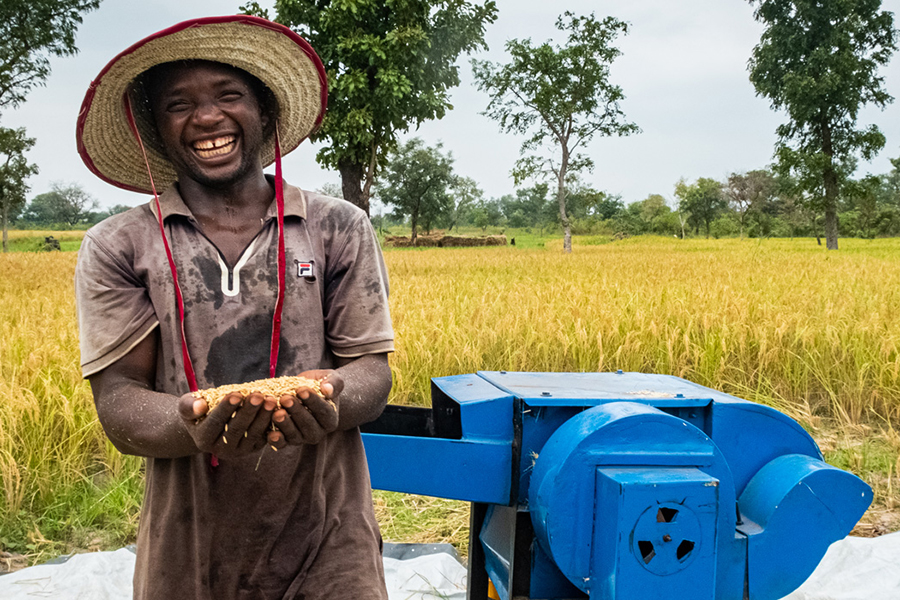
Sumaka Japhet is a young rice seed cultivator and agricultural entrepreneur. In 2017, after finishing university, he heard about and joined the IFAD-supported project that gave him a start-up kit containing fertilizer, herbicides and pesticides, as well as quality, certified seed – and those few items forever changed the way he cultivated rice. He also received technical support and training on rice seed production. Each growing season, he sold the seed and invested his earnings into the next.
While the world has enough water, it’s often not in the right places, at the right time. Ethiopia has long been associated with droughts and famines, but climate change has made them more devastating for small scale rural farmers.
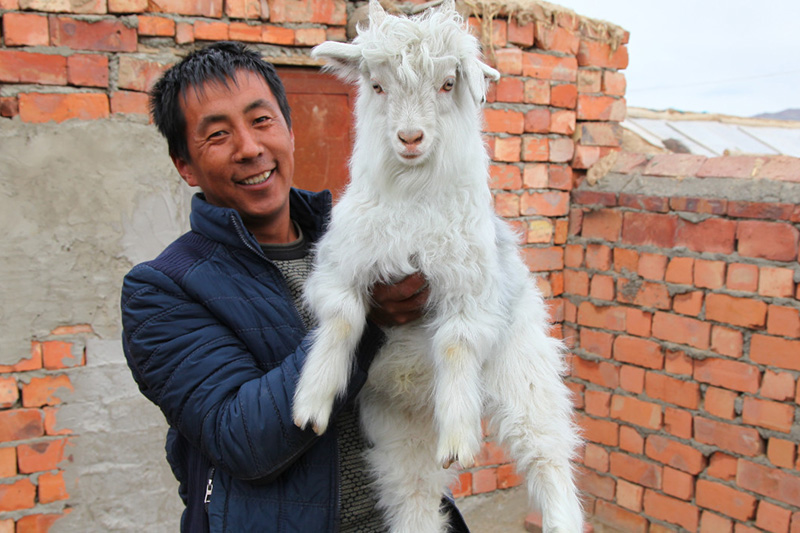
As many as 600,000 people in the Liupanshan area of China’s Ningxia Hui Autonomous Region, nearly 40 per cent of whom are farmers, live under the national poverty line. This is especially true for the Hui, a local ethnic minority, who make up about 60 per cent of the area’s total population. Farmers in Naihe village have been raising sheep and cattle for decades. Nevertheless, they’ve had to contend with a lack of proper livestock facilities, which made raising the animals challenging and limited the number they could sell – and this in turn left them with insufficient funds to upgrade the facilities, trapping them in a vicious cycle. Under an IFAD programme, livestock raising has just gotten easier – and more profitable.
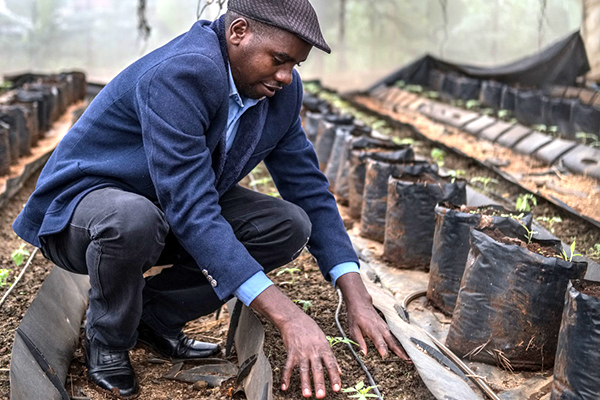
For some small-scale farmers, the impact of COVID-19 has opened the door to new technologies. An IFAD-supported project helps young Kenyan farmers invest in hydroponics systems.
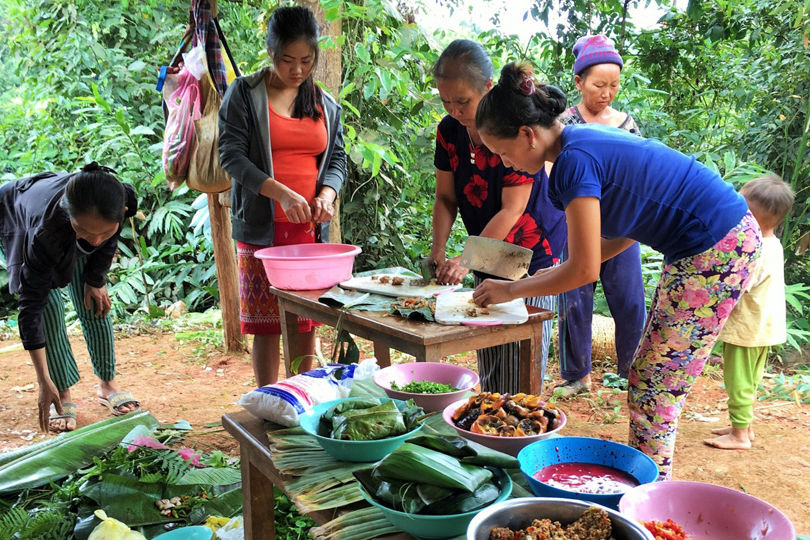
The rural uplands of the Lao People’s Democratic Republic are home to generations of proud family farmers, with many still using traditional farming techniques handed down over the years. Yet, these practices have increasingly struggled to keep up. A joint IFAD-WFP initiative has been helping to improve household diets by strengthening women’s knowledge of nutrition and agriculture.