
ILO
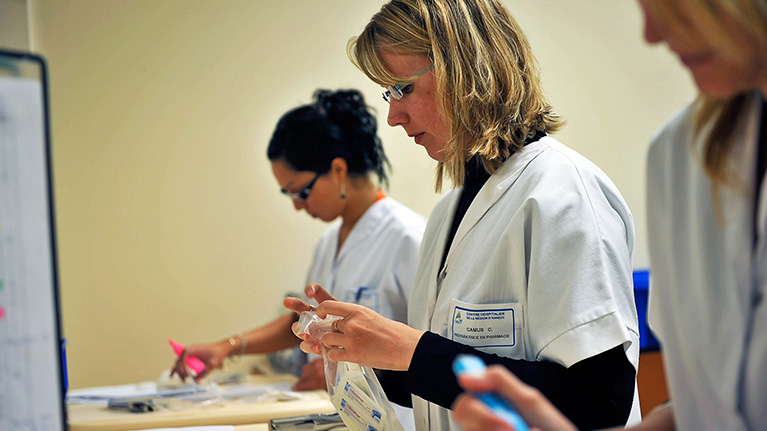
In Burkina Faso, Latifatou dreamt of becoming a seamstress to escape poverty and child labour. Thanks to support from the CLEAR Cotton project, her dream is about to come true.
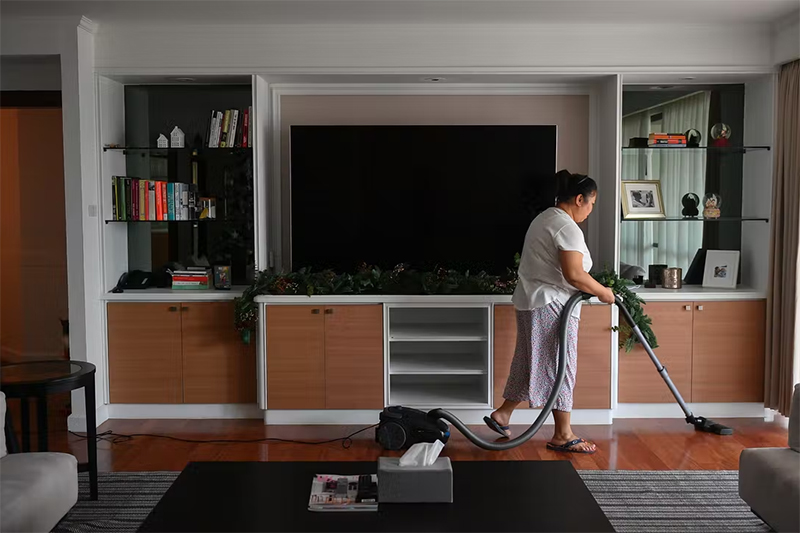
Champa is 46 and has worked as a migrant domestic worker in Thailand for the past 30 years. She represents a network of domestic workers from Myanmar and advocates for their rights.
In cotton-growing communities of Pakistan, many children were working in the fields because they were deprived of accessible schools. Therefore, the CLEAR Cotton project partnered with the local government and civil society to set up education centres at their doorsteps. The CLEAR Cotton project is co-funded and implemented by the ILO and partners.
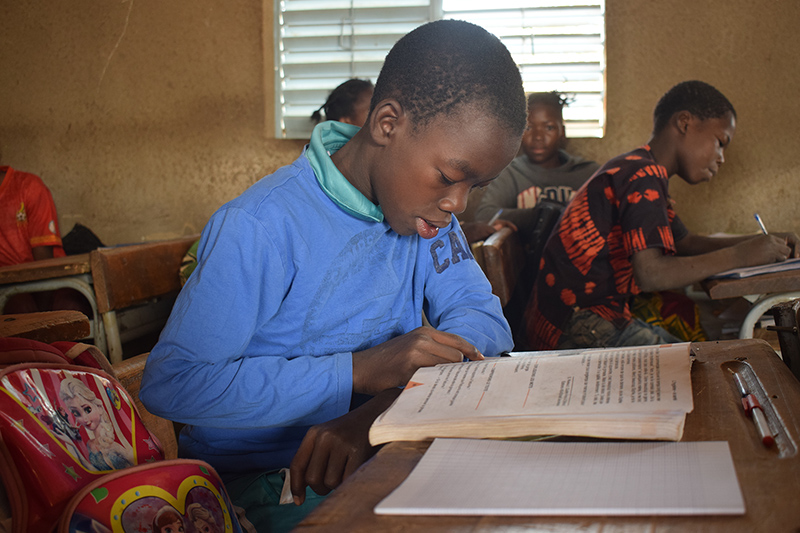
"Children belong in school, not at work. When I was working I didn't like it because it made me tired. And even though school is sometimes a bit difficult, I will learn and one day I will earn a living from it."
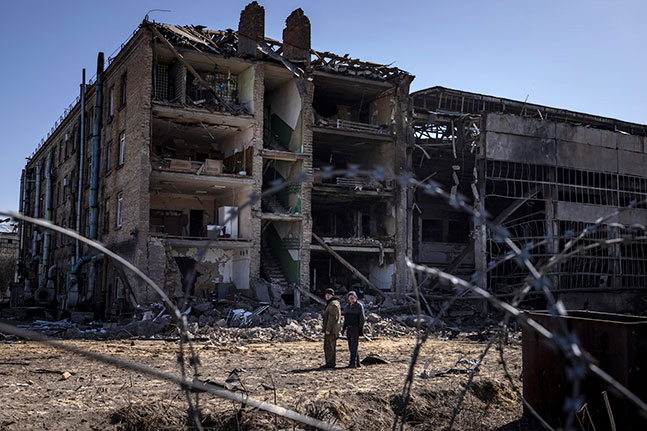
An estimated 4.8 million jobs have been lost in Ukraine since the start of the Russian aggression, according to ILO. If hostilities escalate employment losses would increase to seven million.
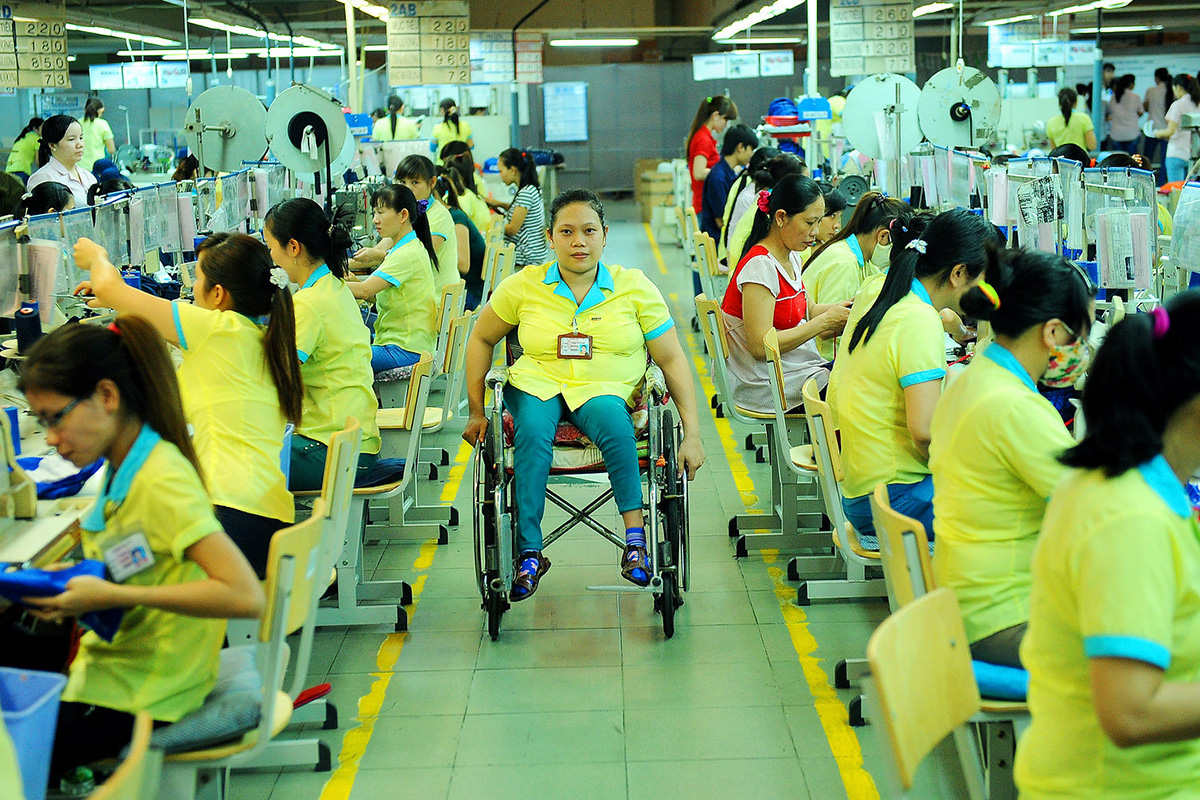

The ILO hosts the Global Forum for a Human-centred Recovery from 22-24 February. It brings together heads of State and Government, heads of international organizations and multilateral development banks, and employers’ and workers’ leaders from around the world to propose concrete actions and strengthen the international community’s response to the COVID-19 crisis. The Forum will examine in particular the actions and investments needed to meet the ambition of the ILO Global Call to Action and the Global Accelerator on Jobs and Social Protection.
ILO brings us the story of Sai Sai, a migrant construction worker in Chiang Mai, a city in Northern Thailand. After government legislation made it illegal for migrant workers to do skilled construction work, Sai Sai along with other migrant workers and local organizations worked together to get the law amended.

WHO and ILO have called for measures to be put in place to protect workers’ health while teleworking. A new technical brief to healthy and safe teleworking, published by the two UN agencies, outlines the health benefits and risks of teleworking and the changes needed to accommodate the shift towards different forms of remote work arrangements brought on by the COVID-19 pandemic and the digital transformation of work. Teleworking can improve the physical and mental health and social wellbeing of workers, while leading to higher productivity and lower operational costs for many companies.
Problems always arise when a woman forces her way into a man’s world. Men will wonder “what is she doing here, why doesn’t she cook or sew?” Entrepreneur, Takhmina Bakhronova, broke into the male-dominated taxi business in Tajikistan’s capital, Dushanbe – introducing innovations that have left her competitors standing. See the full multimedia story on ILO's Voices - a platform with first person perspectives on the world of work.

ILO has downgraded its forecast for labour market recovery in 2022, projecting a deficit in hours worked globally equivalent to 52 million full-time jobs, relative to the fourth quarter of 2019. The previous full-year estimate in May 2021 projected a deficit of 26 million full-time equivalent jobs. While this latest projection is an improvement on the situation in 2021, it remains almost two per cent below the number of global hours worked pre-pandemic, according ILO’s WESO Trends 2022. Global unemployment is expected to remain above pre-COVID-19 levels until at least 2023.
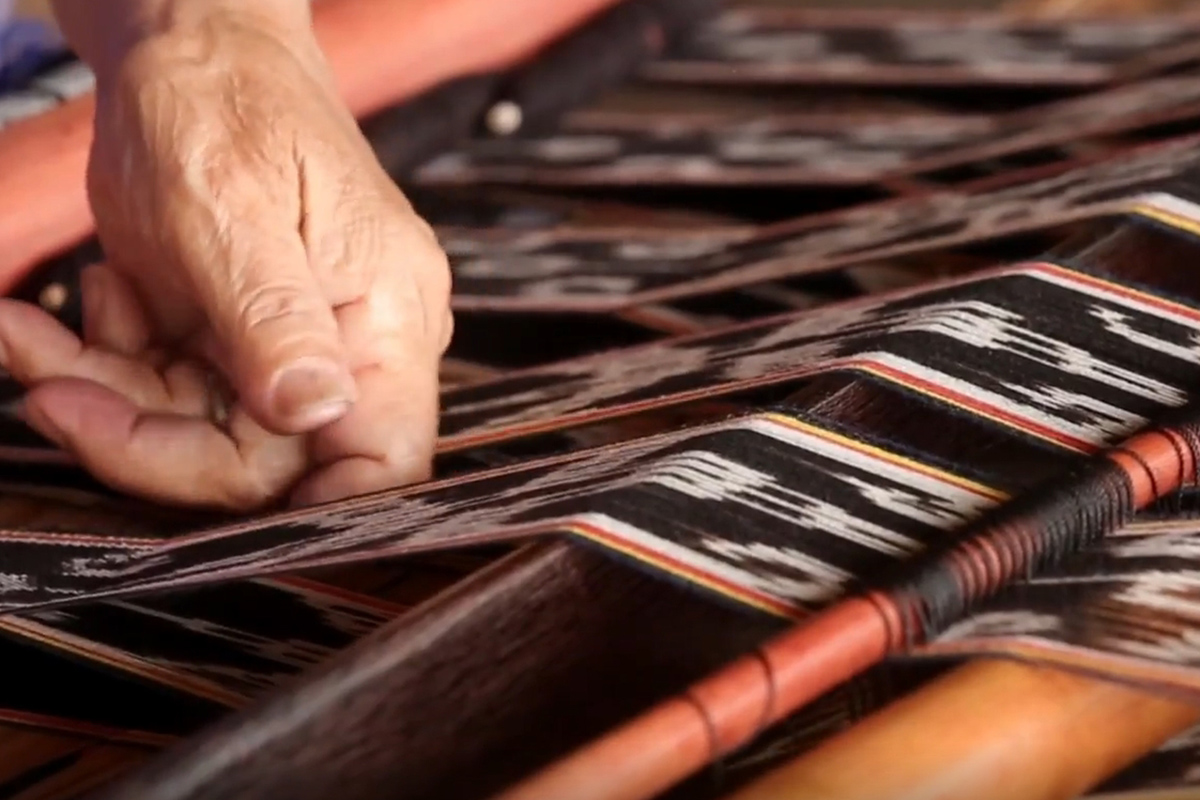
About 10 per cent of people are left handed, yet the world of work is overwhelmingly set up for right-handers. There are also numerous examples – historical and contemporary - of discrimination and stigma in relation to left-handed people.
In this edition of the ILO's Future of Work podcast, Sophy Fisher speaks to Dr Marietta Papadatou-Pastou, Assistant Professor at the National and Kapodistrian University of Athens. Dr Papadatou-Pastou's research interests include various aspects of neuropsychology, as well as cognitive neuroscience and experimental psychology. Her work focuses on handedness and brain lateralization, using behavioral and brain imaging techniques in healthy individuals as well as populations with special education needs.
The hit documentary film, Not Going Quietly, tells the moving and inspiring story of Ady, who was diagnosed with ALS at the age of 32, as he continues his tireless activism for healthcare access in the US.
