

Kalian Sampoa Gumah collects vital data from agricultural workers in Ghana, supporting JobAgri’s mission to improve agri-food jobs, productivity, and food security through policy.
ILO

The new international classification ICSE-18 finally gives long-overlooked dependent contractors a distinct identity, recognizing their unique position between employment and self-employment.
As we approach the end of the second phase of the Safety + Health for All flagship programme, the ILO highlights some of the main achievements made so far, which have touched the lives of over 200 million workers!

Africa has one of the world's largest youth populations, with 426 million young people. Expanding access to technical and vocational education is crucial for building a more resilient workforce among Africa's youngest workers.

Standard Tools for Analysis of Trafficking in Persons (STATIP) bridges legal and statistical gaps to ethically and accurately measure human trafficking for forced labour through innovative and standardized survey methods.

While Generative AI transforms job tasks, junior programmers can thrive by adapting, upskilling, and embracing human-machine collaboration.

ILO Senior Researcher Pawel Gmyrek joins Manjula Selvarajah, technology columnist and host at CBC Radio One (Canada), to unpack the findings of a new ILO Working Paper on generative AI and jobs. The conversation explores how GenAI is transforming the world of work, the methodology behind the ILO’s refined global exposure index, and what policymakers, workers, and employers should keep in mind as the technology evolves.

The global labour market is undergoing a profound transformation, driven by rapid technological innovation, environmental changes, and shifting demographics. While these developments hold the promise of increased productivity and greater cross-border collaboration, they also present significant challenges to the goal of achieving decent work for all. These critical issues are being addressed at the ILO’s 9th Regulating for Decent Work Conference in Geneva, from 2 to 4 July, where experts are exploring solutions around decent employment, worker empowerment, and stronger labour institutions.
The gig economy offers flexible income opportunities through digital platforms but comes with unpredictable earnings and limited worker protections. Understanding the impact of AI, skill requirements, and platform dynamics is essential for success in this evolving labor market.

What happens when algorithms, rather than people, decide who gets hired, promoted, or assigned to the night shift? In the first episode of Work in Progress, a podcast from the International Labour Organization (ILO) Research Department, we speak with Nikolai Rogovsky, a senior economist at the ILO. We discuss how artificial intelligence is transforming human resource management and its implications for fairness, dignity, and the future of work. With nearly 30 years of experience at the ILO and a Ph.D. from Wharton, Nikolai discusses insights from ILO Working Paper No. 95. The document explores how companies use AI for hiring and workforce optimization and the risks this poses to decent work.

The new annual Session of the International Labour Conference (Geneva, 2-13 June) addresses several pressing challenges that are shaping the future of work. Key topics on the agenda include protecting workers from biological hazards, exploring strategies to formalize informal employment and providing input for the upcoming World Summit for Social Development. As the ILO’s highest decision-making body, the Conference plays a central role in shaping international labour policy. This year’s focus reflects the need for responsive, inclusive approaches to evolving global labour realities.
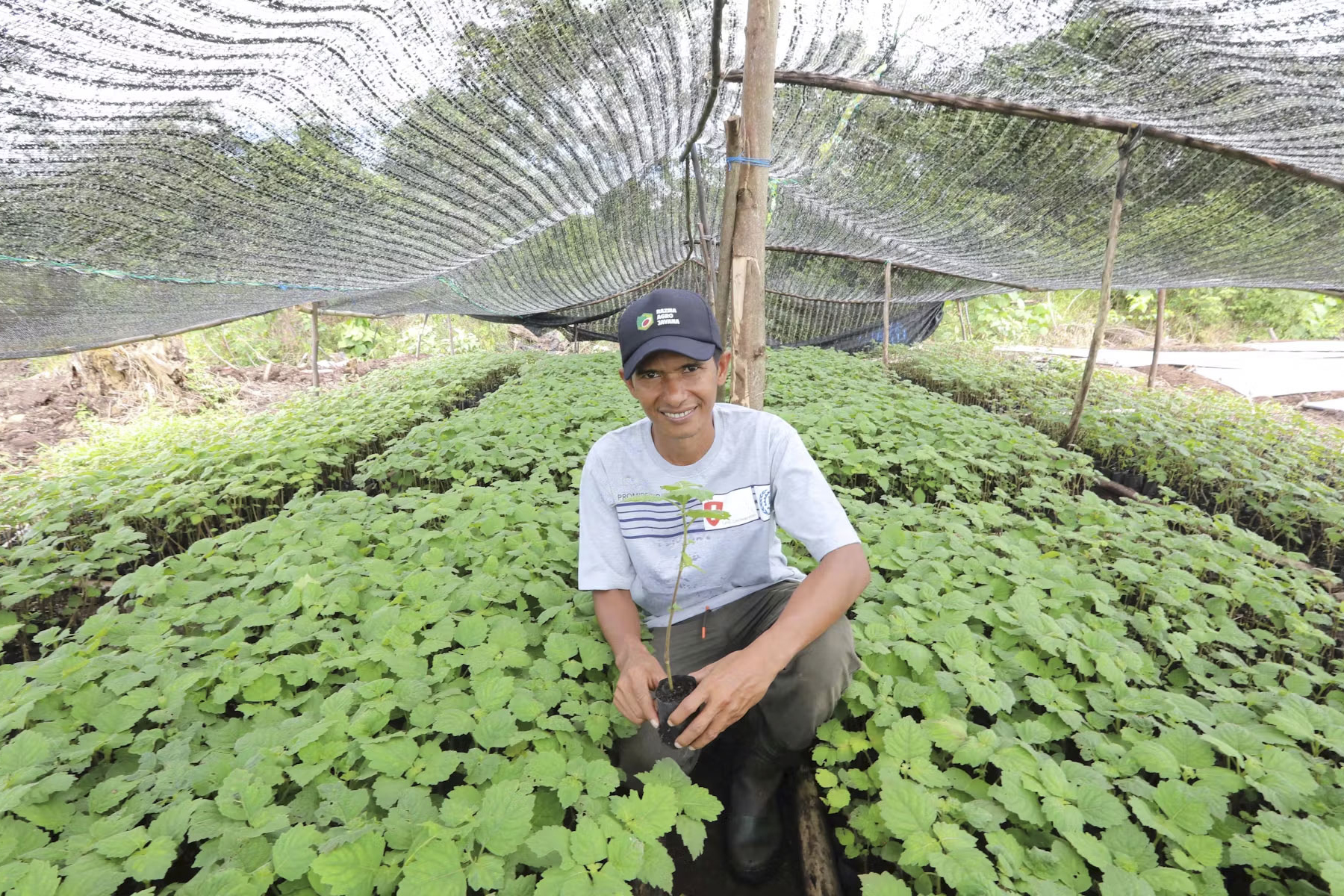
With support from the ILO’s Promise II Impact project and partners, Teuku Razuan established a large-scale patchouli distillation facility in Aceh, benefiting from improved financial access and digital tools.

Things should be looking good for young people in the world of work, but they’re not. While unemployment among young workers between 15 and 24 has recovered from the impact of the Covid-19 pandemic, there’s a growing epidemic of unhappiness among those workers in both the developed and now the developing world. So, what is to be done? This podcast asks David Blanchflower, a professor at Dartmouth College, renowned labour economist and recognized expert on youth employment, what can be done.

Can artificial intelligence, robots and surveillance protect workers on the job? Yes, according to the latest report from the International Labour Organization (ILO). In this new episode of the Future of Work podcast, ILO occupational safety and health expert Manal Azzi explains how AI and technology is being used as a safety net, and not a threat, for workers worldwide.

Fátima Santos benefits from an International Labour Organisation programme, empowering women in Piauí’s carnauba supply chain through artisanal weaving and decent work.