
ILO brings us the story of Yasin Muhumad Faarah, an Ethiopian farmer, lost all his cattle in a recent drought. Without a regular supply of water, his future livelihood and that of other members of the community was in jeopardy. Together they built a water collection basin that promises a viable future for them all.
ILO
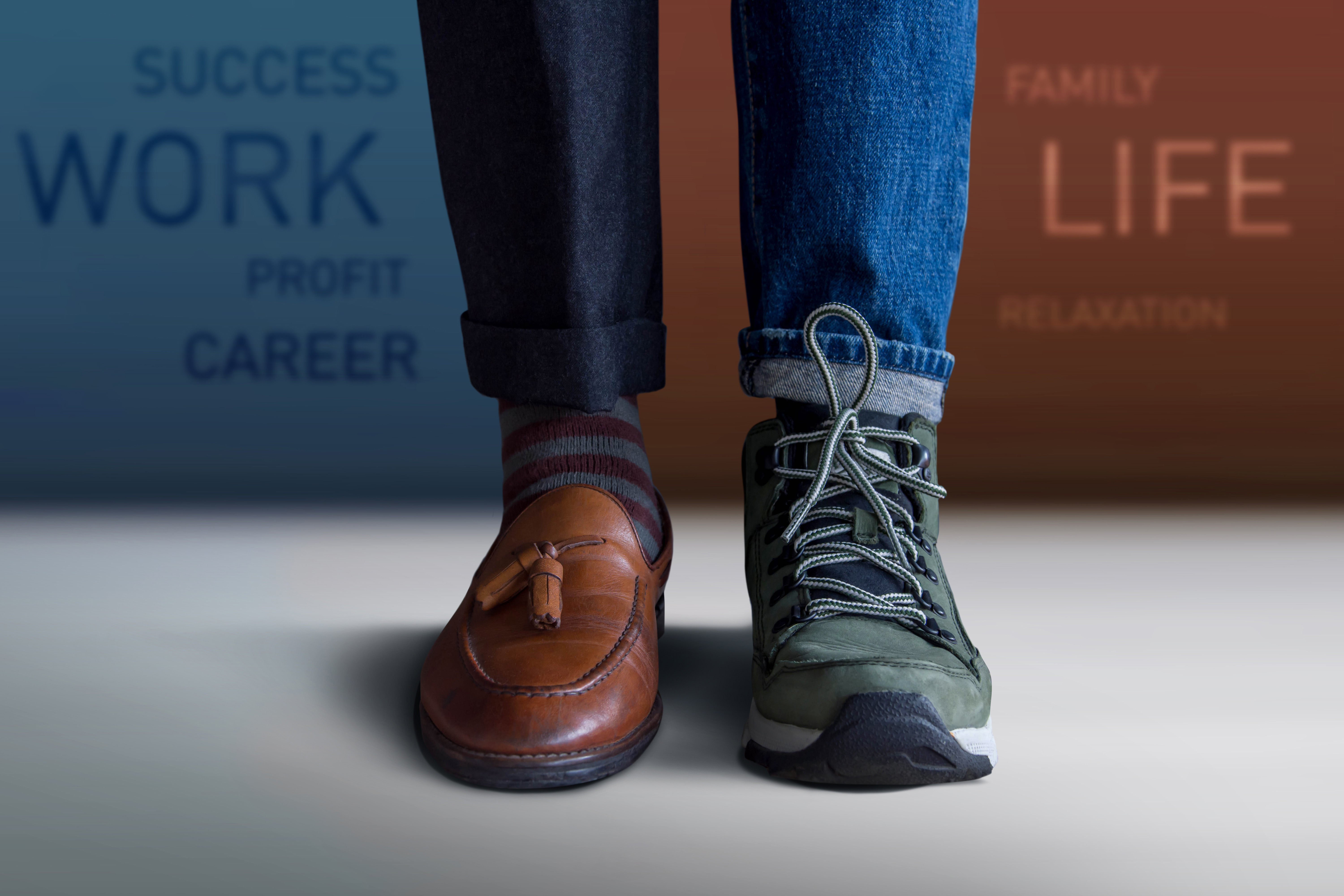
Reduced working hours and more flexible working time arrangements, such as those used during the COVID-19 crisis, can benefit economies, enterprises and workers, and lay the ground for a better and more healthy work-life balance, according to a new ILO report. The report, Working Time and Work-Life Balance Around the World, looks at the two main aspects of working time; working hours and working time arrangements (also called work schedules) and the effects of both on business performance and workers' work-life balance.
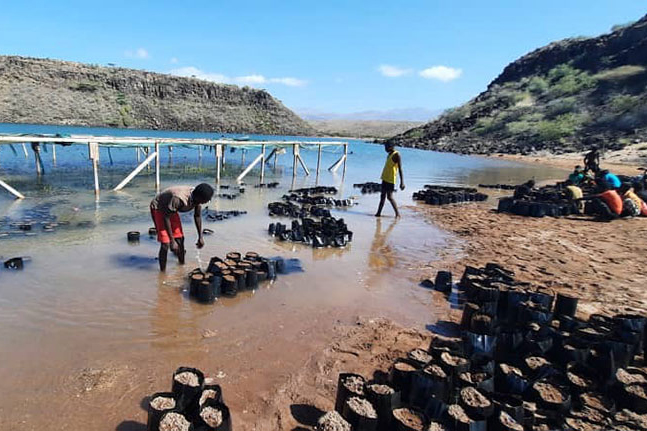
Investing in policies that support Nature-based Solutions would generate significant employment opportunities, particularly in rural areas, if the transition is fair and inclusive, says a new report by the ILO.
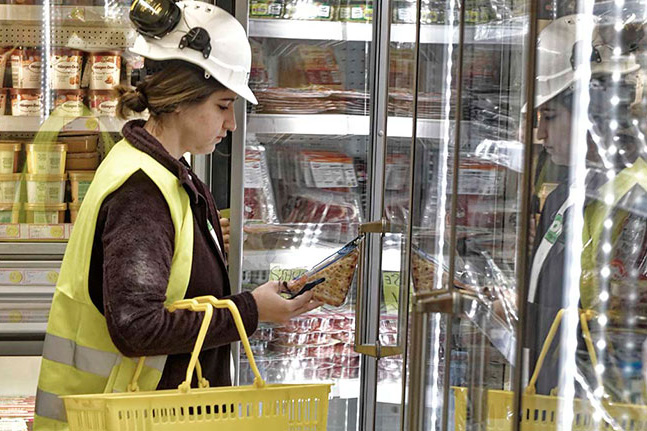
A new ILO report shows that the inflationary crisis combined with a global slowdown are reducing the purchasing power of the middle class and hitting low-income households particularly hard.
ILO presents Linda Sarmento, who was disabled as a child. She was determined to go to school and later found work where she could. The COVID-19 pandemic however has made it harder. Mozambique’s social protection benefit has ensured that she meets her basic needs and helps her daughters attend school.
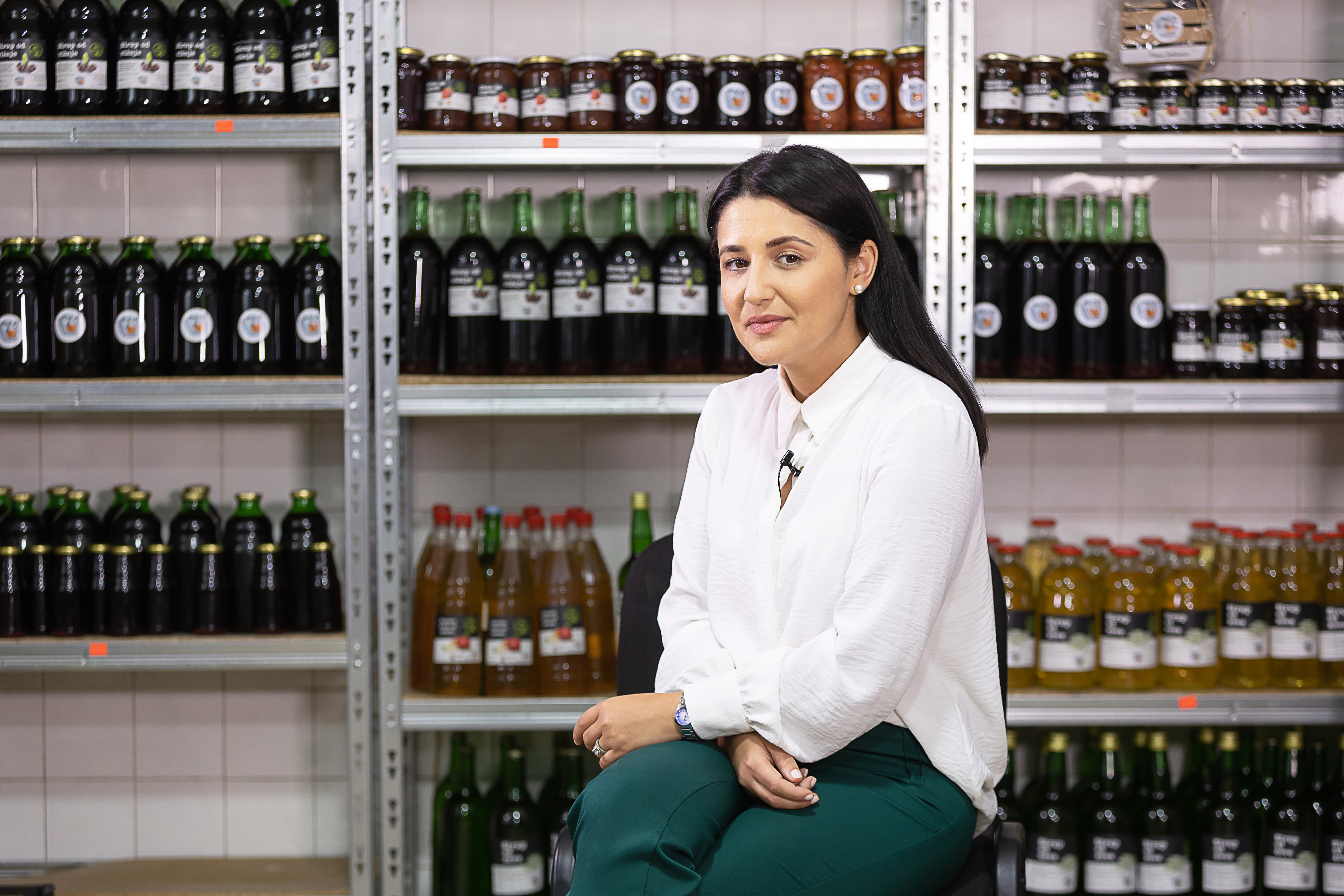
Merima Kukić Gego is a young entrepreneur who, during the COVID-19 crisis, set up a food and tourism business in rural Bosnia and Herzegovina, with help from an ILO project.
ILO, the Federation of Professional Footballers' Associations, and former football star Didier Drogba launched a campaign to raise awareness among young Ivorian football players of the risks of exploitation and human trafficking linked to poorly prepared emigration. The campaign’s objective is also to make young football players aware of their rights and give them useful tools and advice.
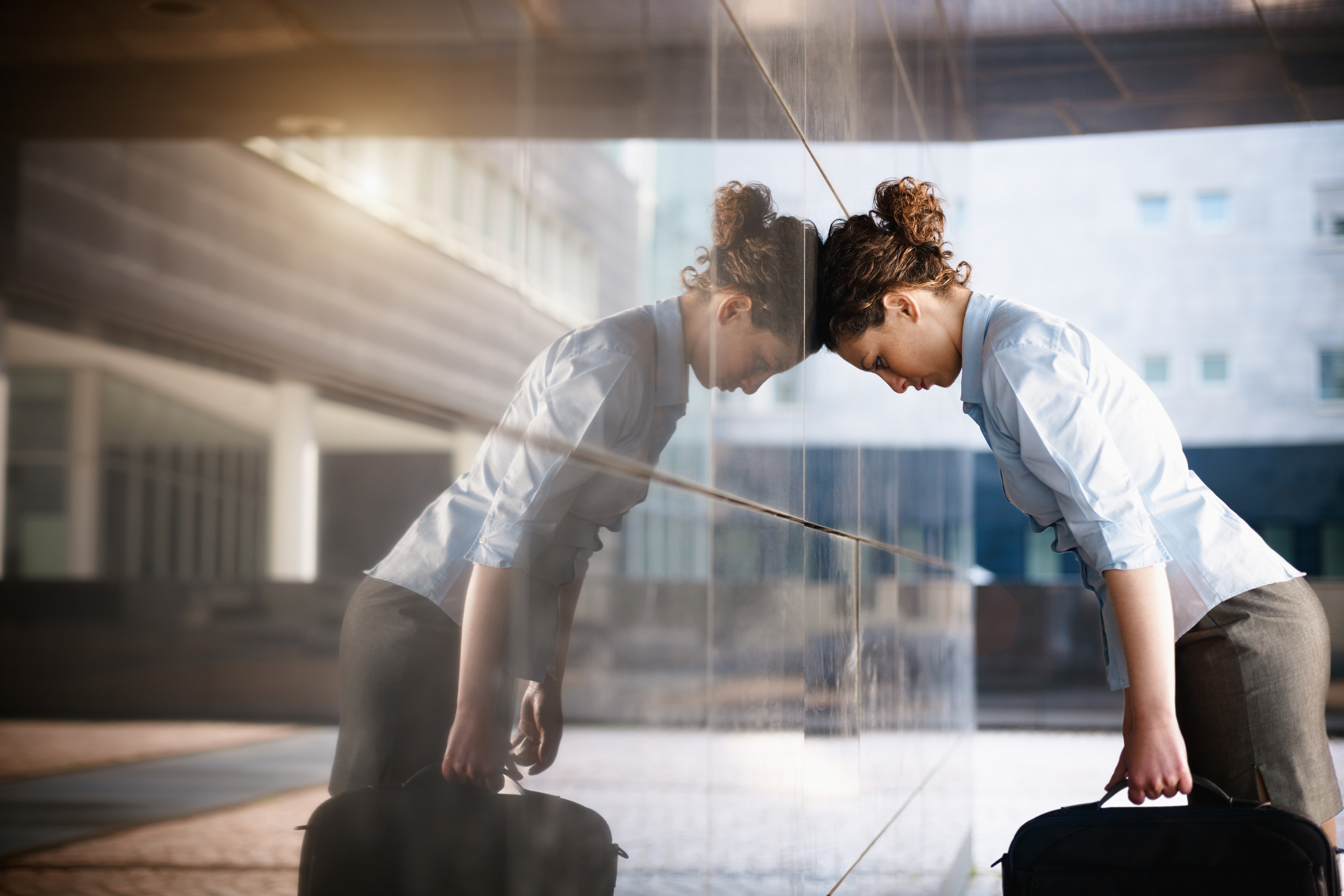
Research by the ILO and the WHO has found that billions of working days – and billions of dollars – are lost every year because of work-related mental health issues. What are the psychosocial risks associated with modern workplaces, and can we make mentally healthy workplaces the new norm? In this episode of the Future of Work Podcast, Susanna Harkonen, WHO’s Pan-European working group on workplace mental health, and Nina Hedegaard Nielsen, occupational health and safety at The Danish Confederation of Professional Associations, explore how we can improve psychosocial health and safety at work.
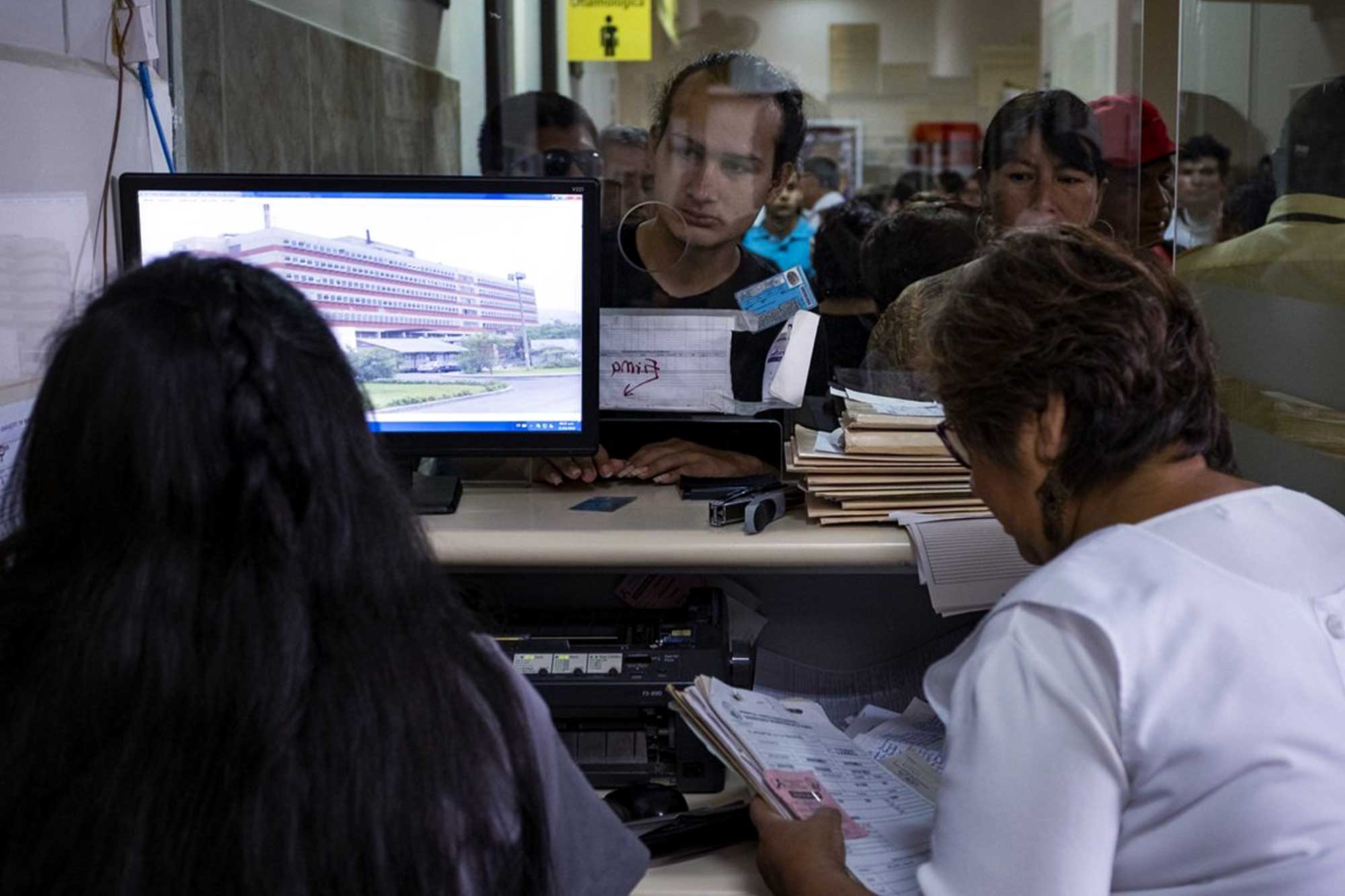
An estimated 12 billion workdays are lost annually due to depression and anxiety costing the global economy nearly US$ 1 trillion. WHO and ILO have called for concrete actions in 2 new publications: WHO's Guidelines on mental health at work, and WHO/ILO's policy brief with practical strategies for governments. The guidelines recommend actions to tackle risks to mental health such as heavy workloads, negative behaviours, and other factors creating distress at work. For the first time, WHO recommends manager training to build their capacity to prevent stressful work environments and respond to workers in distress.
ILO invites journalists to submit articles showing media coverage on labour migration and fair recruitment, to recognize their contribution to the elimination of xenophobia and discrimination.
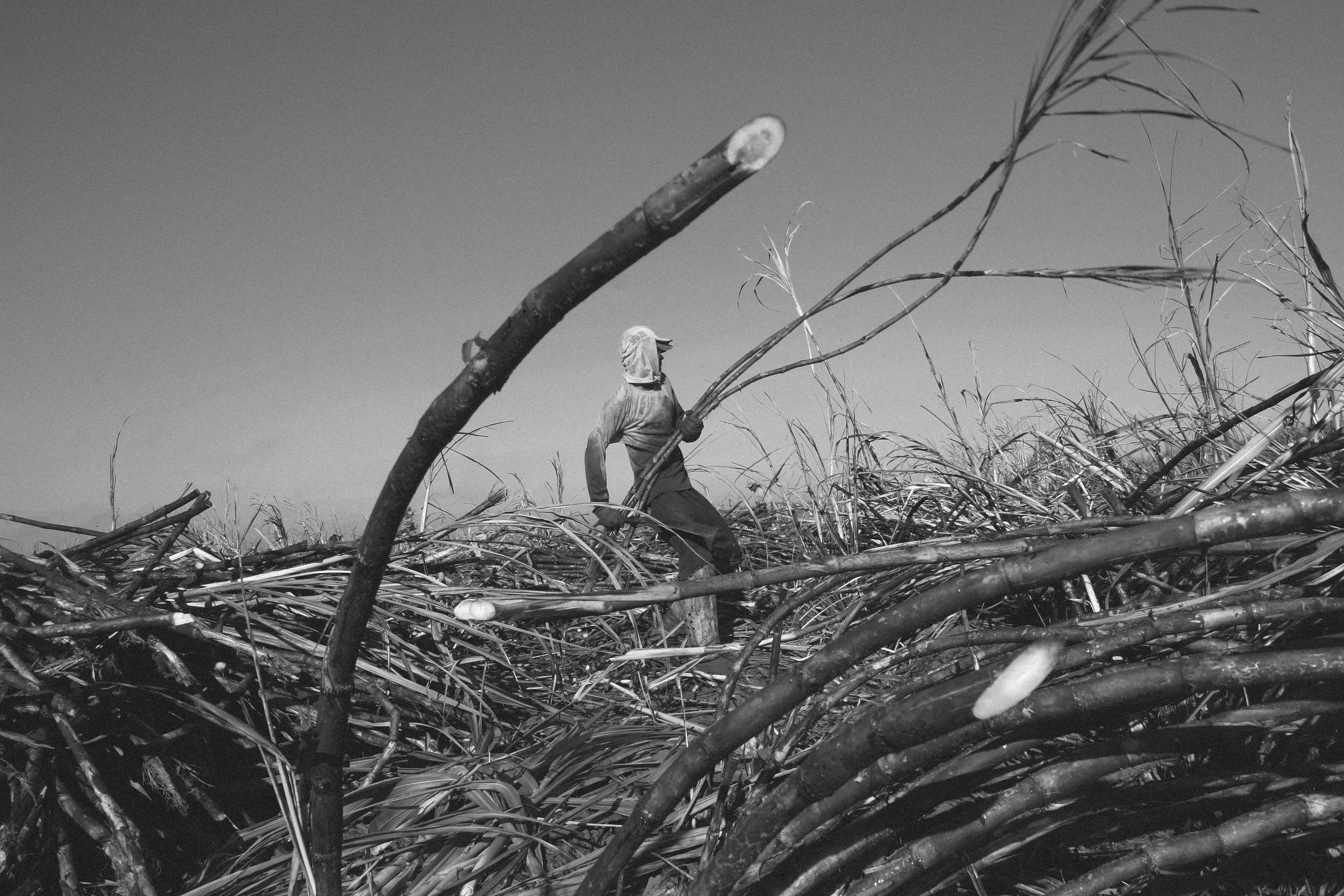
More than 40.3 million people are still in modern slavery, including 24.9 million in forced labour. It means 5.4 victims of modern slavery for every 1,000 people in the world. 1 in 4 victims of modern slavery are children.
That social injustice is at the heart of Wagner Moura’s commitment and activism to put an end to forced labour and child labour. The award-winning actor and ILO Goodwill Ambassador (50 for Freedom campaign) grew up in a very poor area in the northeast of Brazil. He saw first-hand the negative impacts of forced labour on a family, a community, a country.
“I think that education is the foundation for any sort of social change in the world,” Wagner Moura said.
Today he continues to put his time and energy to urge governments to enact and enforce legislation, protect their population, and end slavery in our lifetime.
Where does his passion for fighting slavery come from? Find out in this episode of ILO's The Future of Work Podcast.
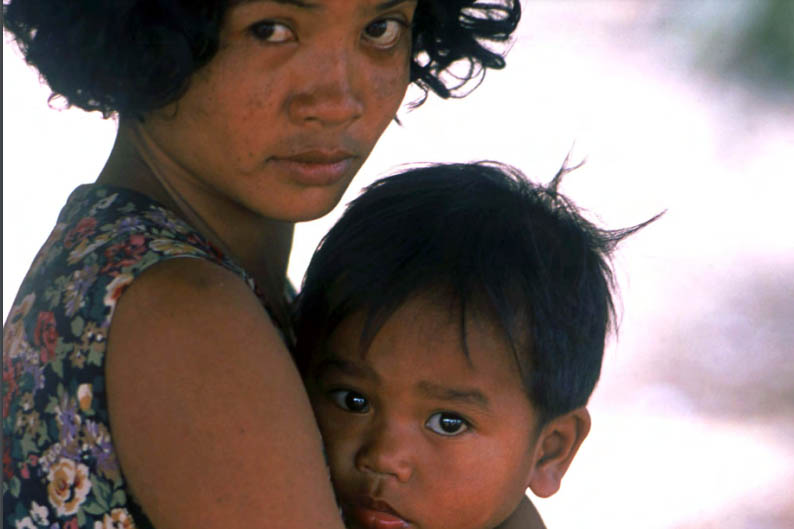
Despite significant progress in much of Asia and the Pacific social protection policies still lag behind other areas of the world, according to a new ILO report.
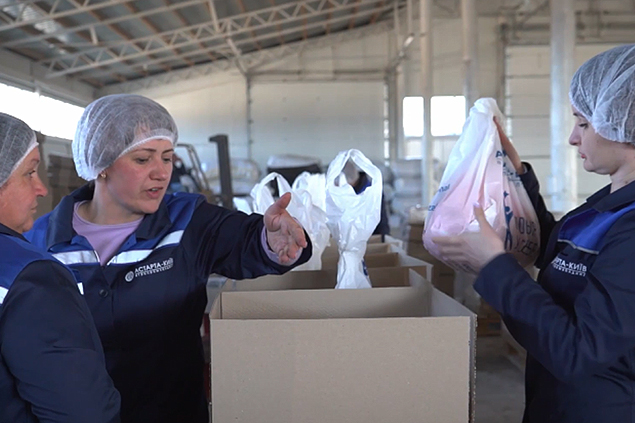
The Russian aggression against Ukraine has paralyzed the economy with nearly half of businesses forced to close and others struggling to keep afloat. With ILO support, the Federation of Employers of Ukraine (FEU) is helping them stay open and supporting local producers. More than 3,550 food boxes were distributed directly to people across the two regions. “We need to reduce further economic loss and ensure business continuity. Helping our fellow Ukrainians is a good way to support our local producers", said Ruslan Illichov, FEU Director General.
After successfully reclaiming her people’s territory in Quebrada de Humahuaca, Northern Argentina, Celestina Ábalos turned to tourism to share and promote her indigenous culture. ILO entrepreneurship training during the COVID-19 pandemic helped her business to grow. See the full story on ILO Voices.
All time top-ranking DJ sisters Liv and Mim Nervo have written a new track to raise awareness of child vulnerability, child labour and trafficking. Here they explain their motivation and the origins of the song.