
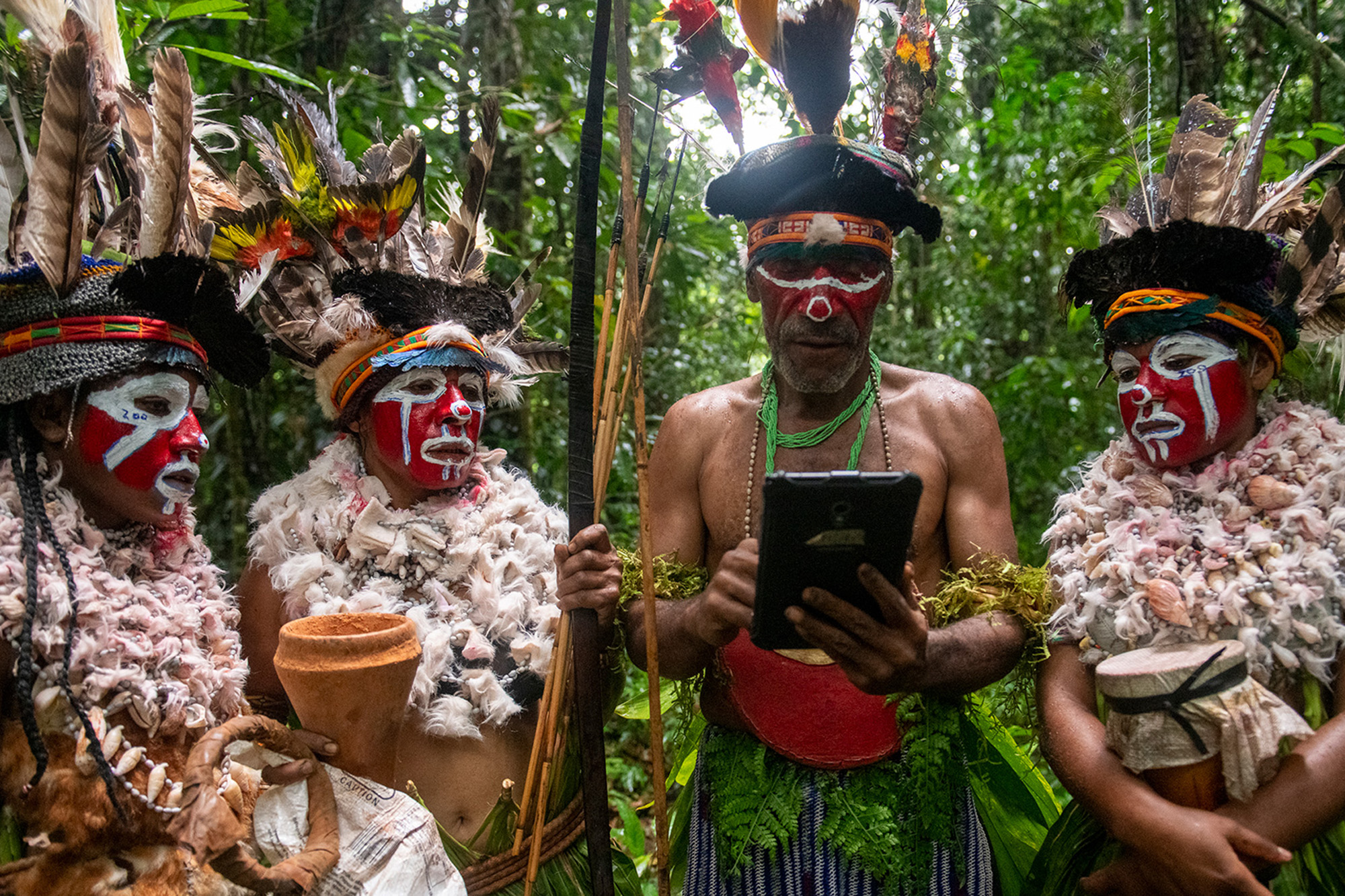
The AIM4Forests programme, launched by Food and Agriculture Organization of the United Nations (FAO) and the UK government, aims to provide countries with technological means to combat deforestation and actively involve Indigenous Peoples in forest monitoring. The programme has already begun implementation in 11 countries, including Papua New Guinea, where it combines modern technology with traditional knowledge to halt deforestation and restore degraded land. Custodians like Besta Pulum can now monitor their forest area using high-resolution satellite imagery and Open Foris Ground, a tool that allows them to demarcate their forest and monitor it using Google Earth.
Natural Resources and the Environment
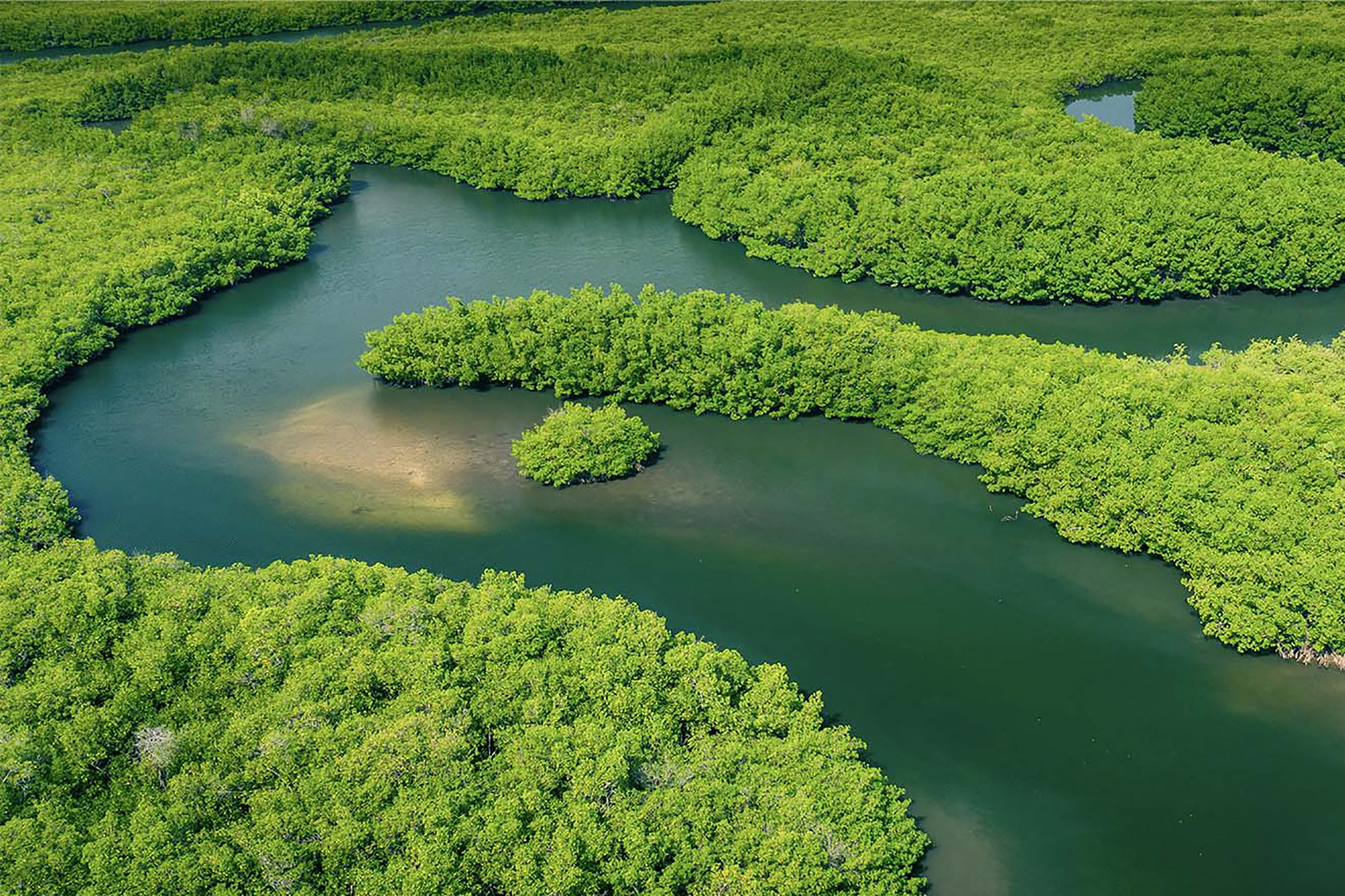
On the International Day of Forests (21 March), we recognize the transformative impact of innovation and technology on forest monitoring, enhancing tracking and reporting capabilities for countries. With 10 million hectares lost yearly to deforestation and 70 million hectares affected by fires, combating deforestation demands new technological advancements. These are crucial for early warning systems, sustainable commodity production, and empowering Indigenous Peoples. Join the Day's celebration and engage in the conversation on social media using the #ForestDay hashtag and the promotional materials.

The Young Champions of the Earth initiative recognizes and celebrates ambitious young individuals worldwide, who demonstrate exceptional ideas and initiatives aimed at protecting and restoring the environment. Apply now!
Thousands of moto-taxi drivers in Togo are adopting electric motorcycles as the country aims to become a regional leader in e-mobility. The African country is among over 40 countries collaborating with UNEP's Global Environment Facility to expedite the transition to low-emission transportation through the Global E-mobility Programme.

Part community exchange, part communion with the natural world, part experiential hospitality, ECO EGYPT answers the call to the innate human desire for freedom, exploration and wonderment. Ecotourism done well offers a heightened sense of discovery through awe-inspiring natural landscapes and authentic engagement with unique local cultures. With the goal of prompting natural rediscovery and boosting the importance of ecological conservation, ECO EGYPT Experiences sheds light on the myriad wildlife, plant diversity, and natural landscapes on offer throughout the country. This work is implemented by the Egyptian Environmental Affairs Agency and UNDP Egypt, and financed by the Global Environment Facility.

As the world’s top decision-making body on the environment, the United Nations Environment Assembly aims to help restore harmony between humanity and nature, improving the lives of the world’s most vulnerable people. Its sixth session, UNEA-6, from 26 February to 1 March in Nairobi, Kenya, will focus on how multilateralism can help tackle the triple planetary crisis of climate change, nature and biodiversity loss, and pollution and waste. Backed by strong science, political resolve and engagement with society, the Assembly will be an opportunity to shape the global environmental policy.
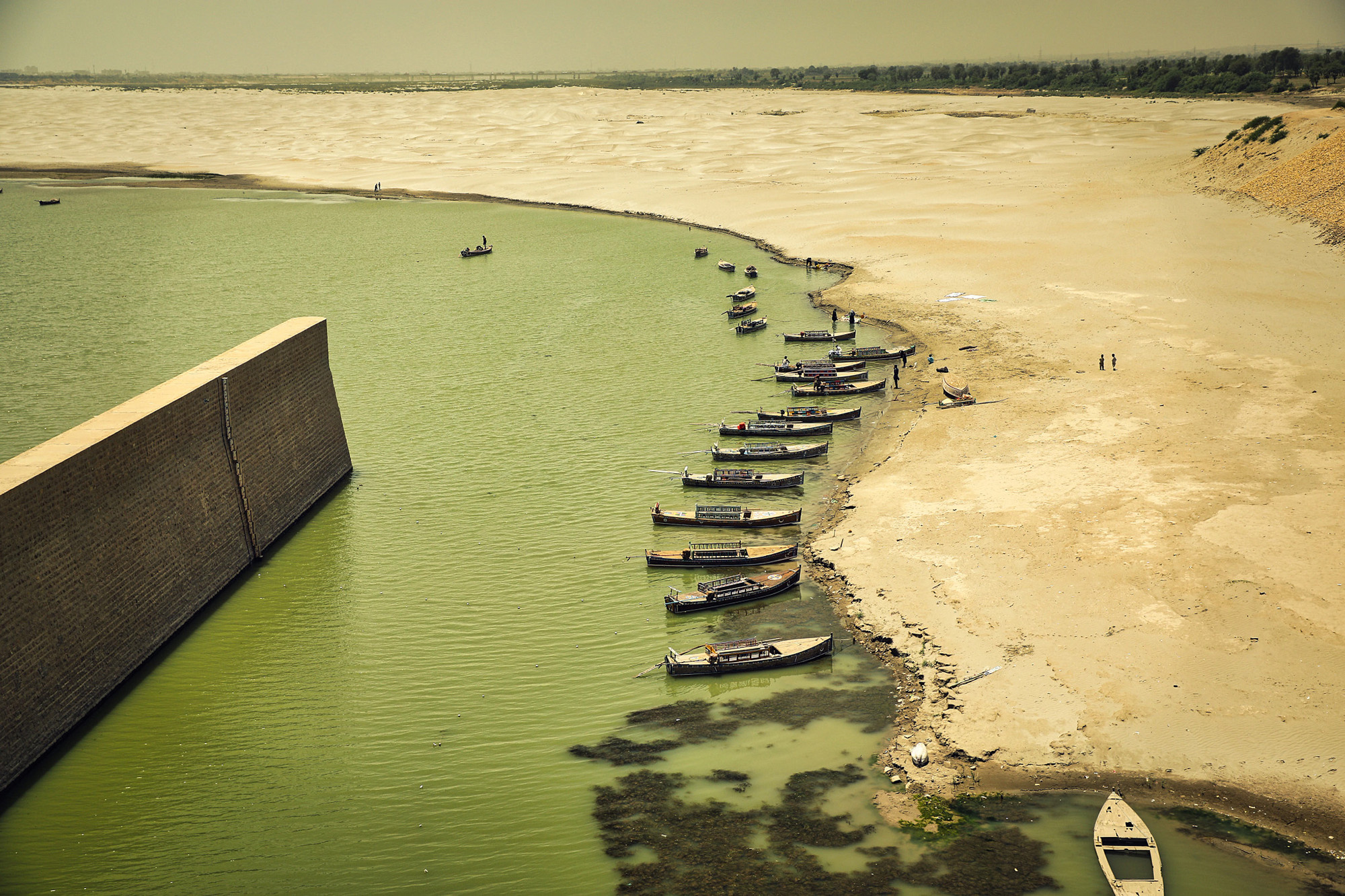
The UN Environment Programme (UNEP) and the Food and Agriculture Organization (FAO) of the UN have named seven initiatives from Africa, Latin America, the Mediterranean, and Southeast Asia as UN World Restoration Flagships. These projects aim to restore ecosystems at the tipping point of outright degradation resulting from wildfires, drought, deforestation, and pollution. The World Restoration Flagship awards are part of the UN Decade on Ecosystem Restoration which aims to restore one billion hectares – an area larger than China. The winning initiatives are expected to restore nearly 40 million hectares and create around 500,000 jobs. The World Restoration Flagships are chosen as the best examples of ongoing, large-scale and long-term ecosystem restoration.
FAO promotes conservation, restoration and sustainable use of terrestrial and marine ecosystems including wetlands, because they contribute to food security and a transformation to more efficient, inclusive, resilient, and sustainable agri-food systems for better production, better nutrition, better environment, and better life, leaving no one behind. Our diverse and extraordinary wetlands provide many benefits to both nature and communities.
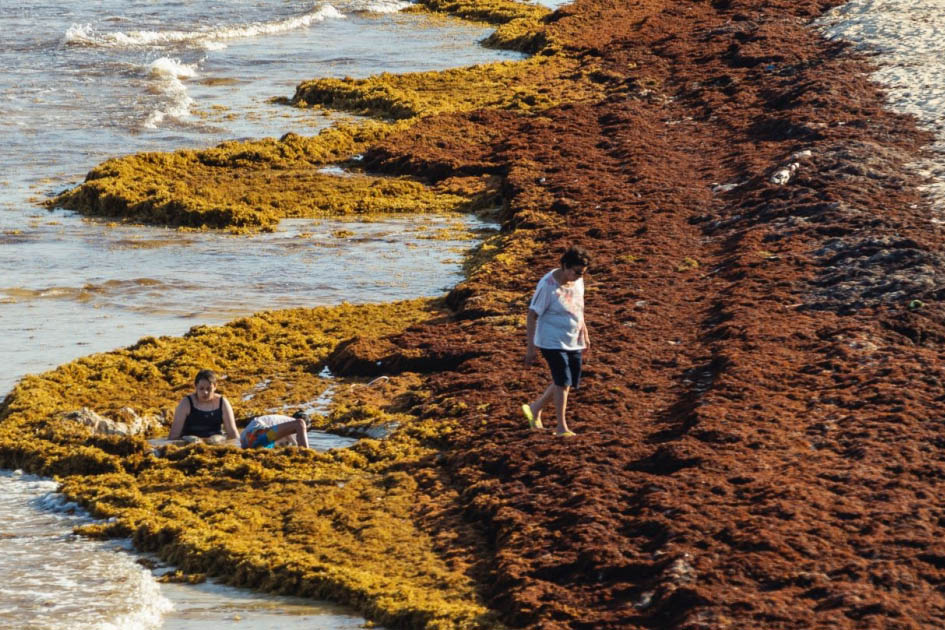
The excessive release of nutrients like phosphorus from sources such as synthetic fertilizers, has plagued Florida's beaches, underscoring the urgent need for global cooperation to reduce nutrient pollution.
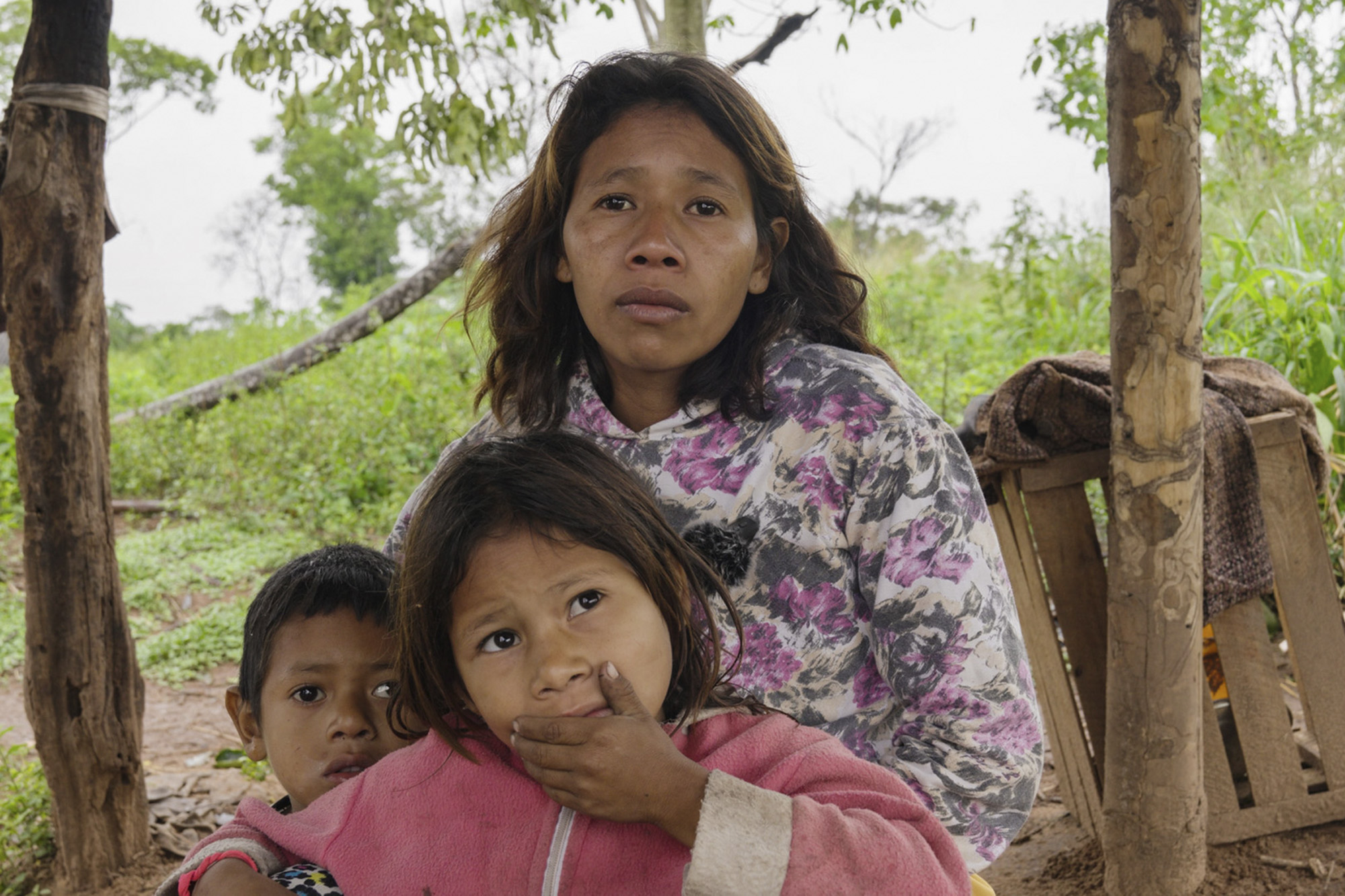
Ilaria is a single mother who lives with her four children and mother in a remote part of the Mbya Guarani indigenous territory in Santa Teresita, Paraguay. She faces the harsh realities of living in a community that is affected by deforestation and climate change, which forces her and other resilient women to leave their communities periodically to feed their families. The story of the Mbya Guarani community of Santa Teresita is similar to many other indigenous communities in South America who are struggling to protect their ancestral cultures and resilience in the face of deforestation and climate change. These communities need support, protection, and the international community's commitment to finding more solutions that allow people to remain in their communities despite their changing environment.

The year 2024 will be marked by a number of events and observances with important implications for the environment, biodiversity, and global sustainability. From advancing sustainable nitrogen management to fostering inclusive collaboration for biodiversity and addressing critical threats like antimicrobial resistance, the UN Environment Programme (UNEP) will work to support multilateralism, science-based dialogue and actions, innovation, partnerships for people and planet and much more. See some key international events and meetings planned.
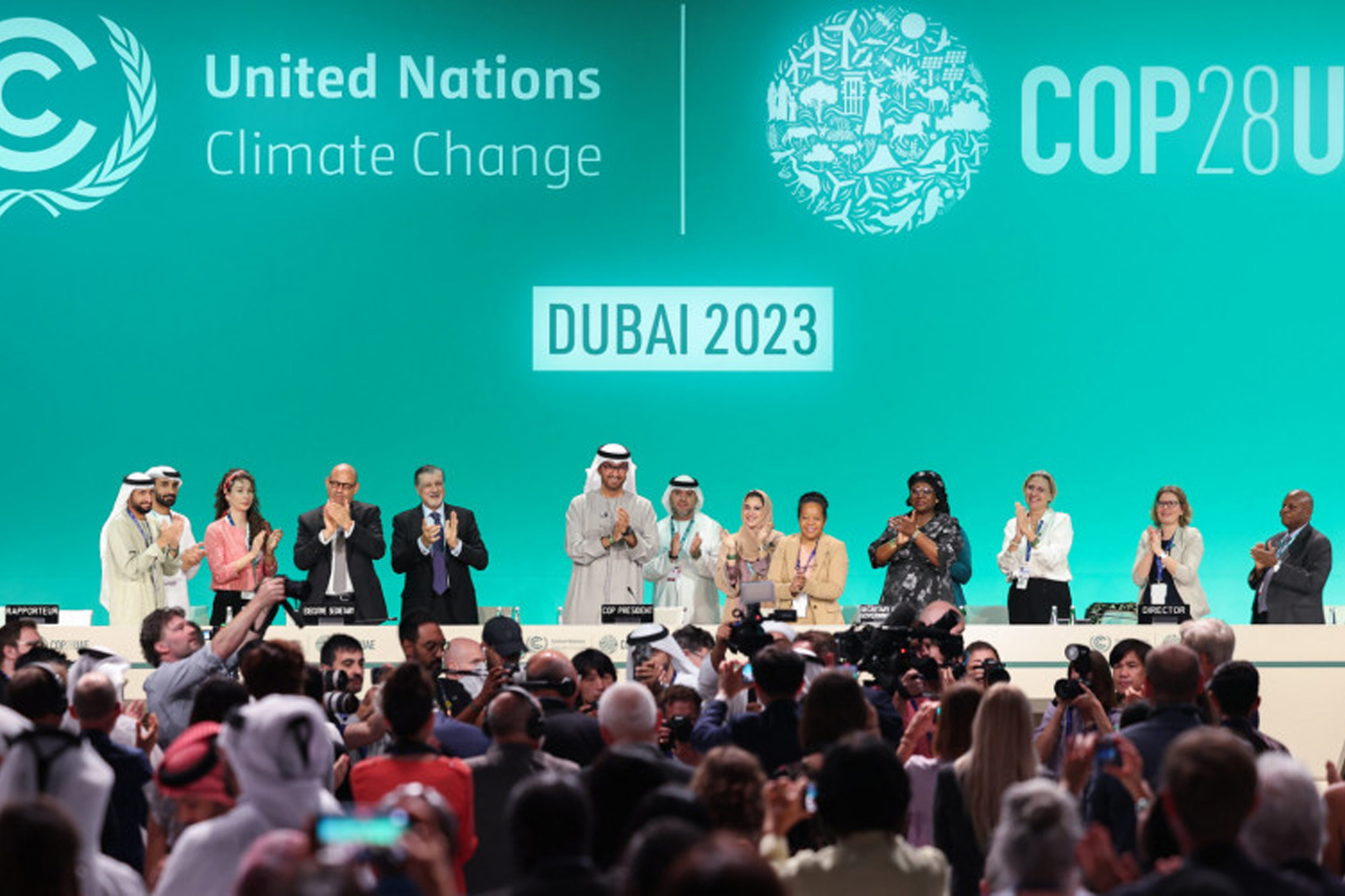
The UN Climate Change Conference (COP28) concluded with an agreement that sets the stage for a “swift, just and equitable” transition away from fossil fuels and towards deep cuts in emissions and increased financing. The conference also established a 'global stocktake' to track climate action before the end of the decade and keep the global temperature limit of 1.5°C within reach. The stocktake recognizes the need to cut greenhouse gas emissions by 43% by 2030 and calls for a tripling of renewable energy capacity and doubling of energy efficiency improvements by 2030. Parties are encouraged to set ambitious emission reduction targets in their next round of climate action plans (known as nationally determined contributions) by 2025.
Camelids are key to the livelihoods of millions of households across over 90 countries. From alpacas to Bactrian camels, dromedaries, guanacos, llamas, and vicuñas, they are a source of meat, milk, fiber, fertilizer, and transportation in hostile environments like deserts and highlands where other livestock species cannot survive. The International Year of Camelids 2024 aims to build awareness of the untapped potential of camelids in building resilience to climate change and to advocate for greater investment in the camelid sector.
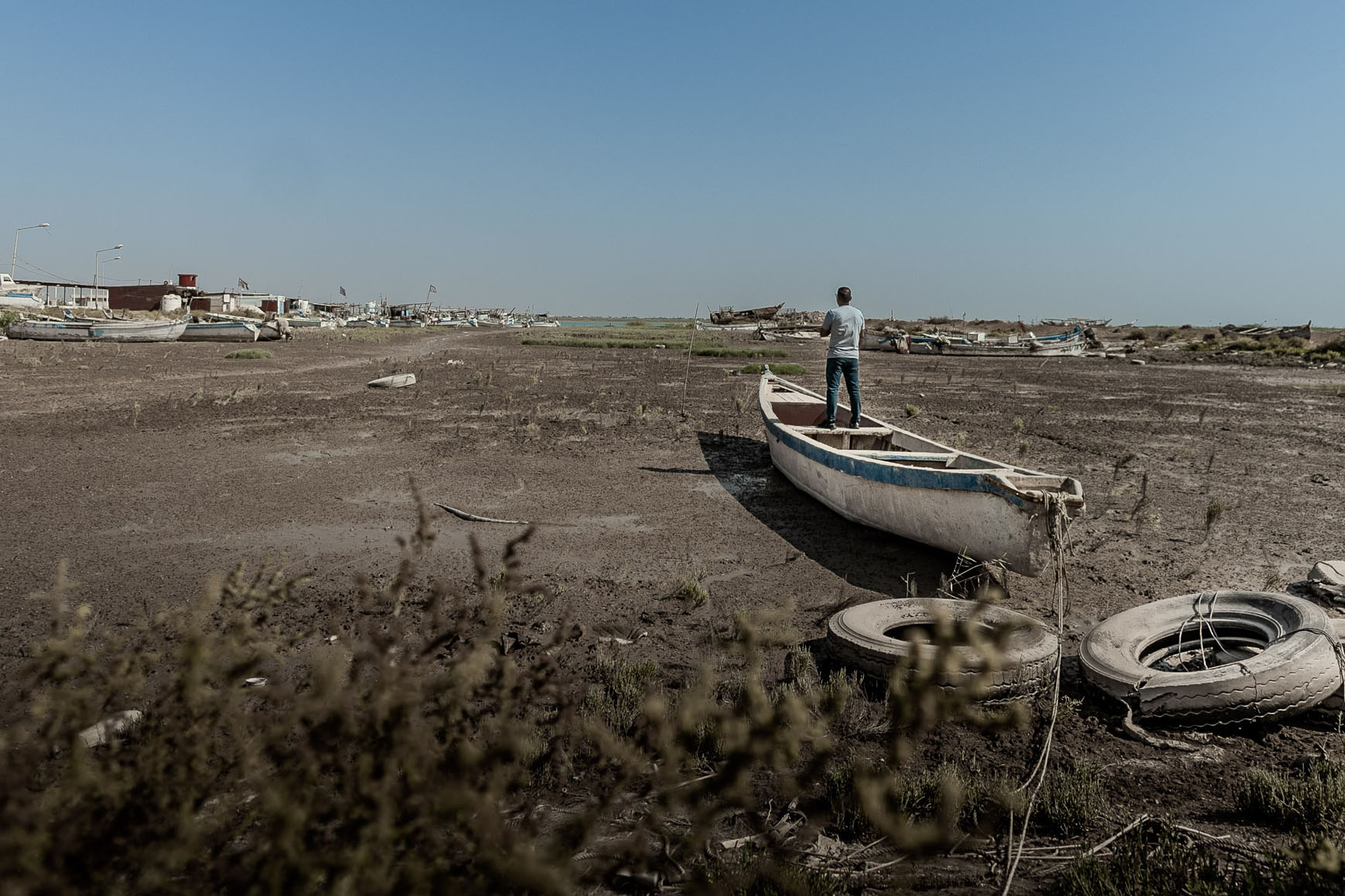
Rural-urban migration in response to environmental degradation and natural hazards is rising at an alarming rate as families seek employment in urban areas.
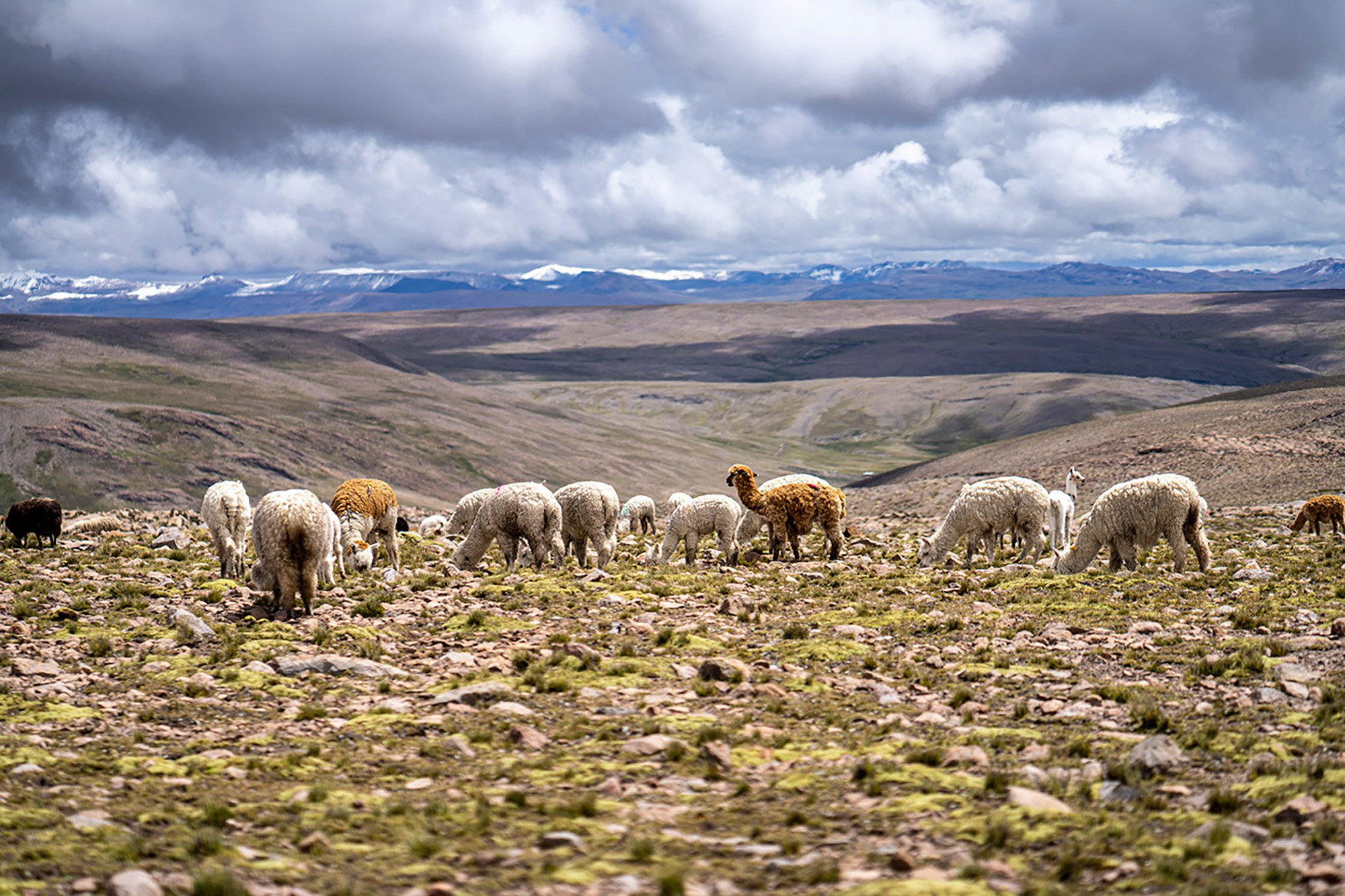
Mountains are natural treasures that we must cherish. They are home to 15% of the world´s population, host about half of the world's biodiversity hotspots, and provide fresh water to half of humanity. Unfortunately, they are threatened by climate change, contamination, and overexploitation. International Mountain Day 2023 (13 December), under the title “Restoring mountain ecosystems”, aims to raise awareness about the relevance of mountain ecosystems and calls for solutions and investments that increase the ability of mountains to adapt to daily threats and extreme climatic events.