

Forests are nature’s pantry—providing essential foods like fruits, seeds, and wild meat that nourish millions. They sustain agriculture, enrich soils, supply clean water, maintain biodiversity, and fight climate change back. Yet, deforestation and fires threaten this vital food source. This International Day of Forests 2025 (21 March), join us in celebrating “Forests and Food” to protect the green kitchen that feeds our world. We have multiple initiatives ready, thanks to FAO and the UN Forum on Forest!
Natural Resources and the Environment

Glaciers are melting faster than ever due to climate change. As our planet heats up, our frozen world is shrinking, making the water cycle unpredictable. For billions of people, meltwater flows are changing, causing floods, droughts, landslides and sea level rise. Protecting glaciers is essential for survival. This World Water Day (22 March), be part of the global ‘Glacier Preservation’ campaign. Everyone – from individuals to governments – must help reduce global warming and adapt to shrinking glaciers. Join our events and watch the celebration!

Glaciers are essential to Earth's ecosystem, serving as key freshwater reservoirs and indicators of the planet's health. They provide water to millions, regulate sea levels, and support biodiversity. Yet, these frozen giants are under threat. Rising global temperatures are causing glaciers to retreat rapidly, leading to water scarcity, higher sea levels, and more natural hazards. The first World Day for Glaciers (21 March) urges us all to protect their vital role in sustaining life for future generations. Join our events and follow the UN News live blog of the celebration (8 a.m. New York time)!

Calixta is a 51-year-old community leader in Tornabé, an Afro-Honduran Garífuna community in Atlántida’s Tela municipality, where even just an hour of rain can wreak havoc. For people like Calixta, Tropical Storm Sara and a subsequent cold front in November 2024, which caused severe flooding and landslides and affected nearly a third of the country, weren’t just another event; they were a reminder that storms don’t end – they return. The storms led to health concerns, particularly with a rise in dengue fever, prompting a national health emergency in May 2024. The recently launched Honduras Humanitarian Needs and Response Plan for 2025 aims to assist 800,000 people. It requires US$138 million for the National Humanitarian Forum’s efforts in support of Government-led relief and recovery operations.

The Dindéfélo Community Nature Reserve in southeastern Senegal, established by 12 villages, blends conservation, sustainable agriculture, and community development, while supporting biodiversity and indigenous livelihoods.

Angelbert Johnny, a 47-year-old from the Wapichan territory in Guyana, has been involved in environmental conservation for over 20 years after noticing a decline in local wildlife. He joined a group of friends to found the South Rupununi Conservation Society (SRCS) to protect the endangered Red Siskin bird. Initially a ranger, Angelbert later managed a new project focusing on conserving the giant armadillo and giant anteater in three South Rupununi communities. Launched in late 2023, the project aims to integrate traditional knowledge with scientific research to reverse the decline of these species. SRCS plans to establish community conservation agreements and create up to 120,000 hectares of Community Conservation Zones to be recognized on the ICCA Registry.

Wildlife and biodiversity are essential to our well-being. To keep enjoying nature’s beauty and benefits, ecosystems must thrive and species must persist for future generations. World Wildlife Day (3 March) celebrates the diversity of life and reminds us to act urgently to revert biodiversity loss. The 2025 theme, “Wildlife Conservation Finance: Investing in People and Planet” calls for more effective and sustainable financial support to build a resilient future, as over one million species are threatened with extinction. Spread the message!
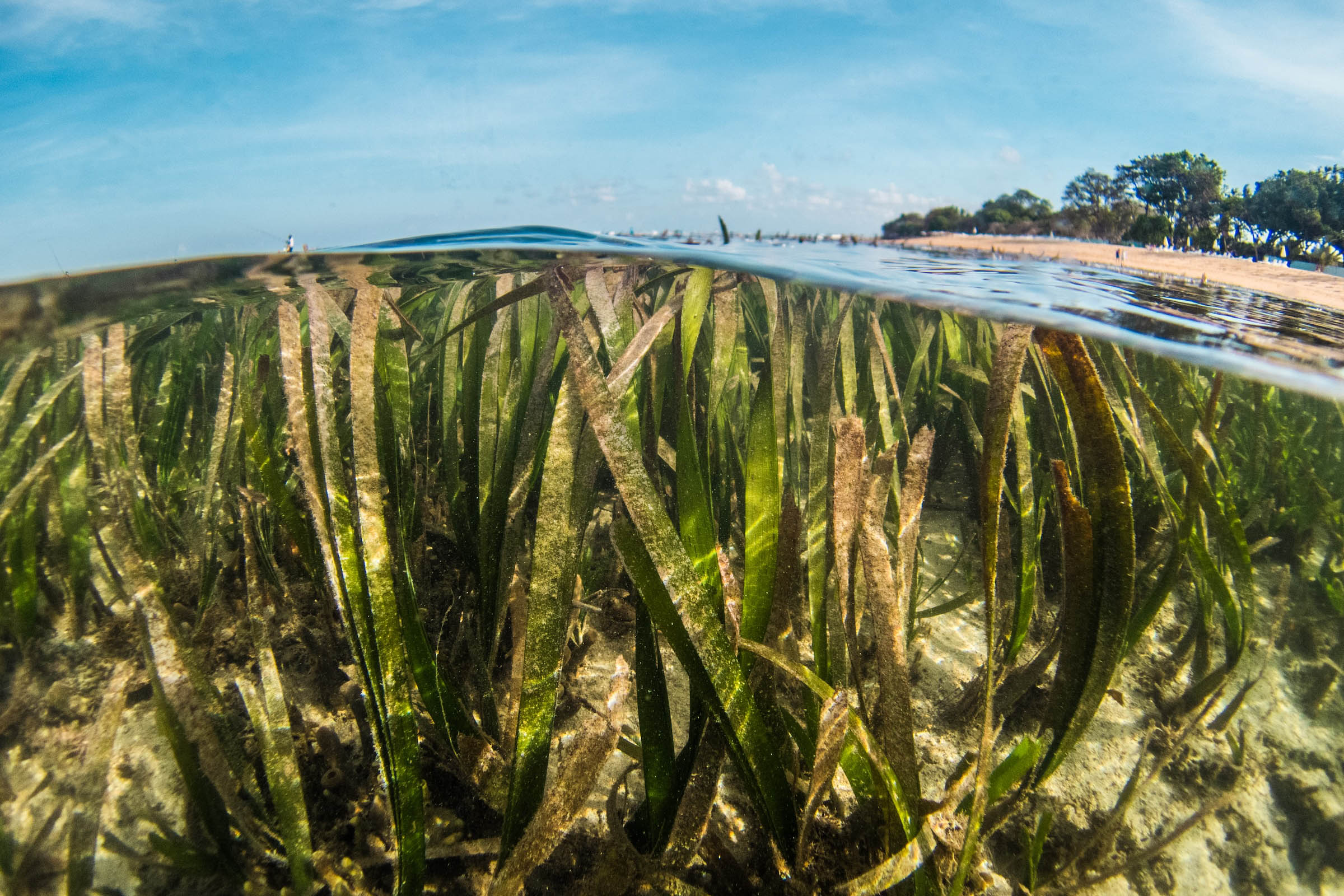
Seagrasses are marine flowering plants found in shallow waters around the world, from the tropics to the Arctic Circle. They provide a range of environmental, economic and social benefits to humans, making them one of the most valuable coastal and marine ecosystems on Earth, but they are under threat. The combined pressures of coastal development, pollution, climate change, dredging and unregulated fishing are damaging seagrass ecosystems. World Seagrass Day (1 March) raises awareness of the importance of managing, conserving and restoring seagrass for a sustainable blue economy.

Saiasi Sarau, a Fijian sailor, has a deep connection to the ocean, which has sustained him since childhood. After starting as a fisher, he became a captain and now works as a fisheries observer in the Cook Islands in the southern Indian Ocean. His role involves collecting scientific data on catch and bycatch, as well as monitoring seabird interactions to ensure ecosystem safety. Currently in Mauritius for a workshop on scientific observation in deep-sea fisheries, organised by the Common Oceans Deep-sea fisheries project and led by the Food and Agriculture Organisation of the United Nations (FAO), Saiasi joins peers from various countries to learn standardized procedures for data collection. The workshop emphasizes the importance of independent observers and responsible fisheries management, especially after previous overfishing led to ecosystem damage.
UN Trade and Development's BioTrade Initiative promotes sustainable biodiversity conservation, fostering economic development through responsible trade practices while benefiting local communities and aligning with global agreements like the Convention on Biological Diversity (CBD) and Convention on International Trade in Endangered Species of Wild Fauna and Flora (CITES).

The revival of Chile’s Cahuil Lagoon showcases sustainable conservation’s success, as wetlands globally decline by 85% since 1700s, threatening ecosystems due to climate change and urbanization.
The UNESCO 2025 exhibition raises awareness on preserving glaciers, highlighting their importance and fragility in the face of climate change.

The MangRes Project in Tumbes, Peru, fosters environmental awareness and community-driven conservation efforts to protect mangrove ecosystems through education and youth engagement.

Wetlands are critical to people and nature. Although they cover only around 6% of the Earth’s land surface, 40% of all plant and animal species live or breed in wetlands. Their biodiversity matters for our health, food supply, tourism, and jobs. They provide essential ecosystem services, such as water regulation, and about one in eight people on Earth depend on them for their livelihoods. Yet they are among the ecosystems with the highest rates of decline. This World Wetlands Day (2 February), let’s encourage governments and communities to value and prioritize wetlands.

Thawing Arctic permafrost, accelerated by climate change, could release dormant, deadly microbes and pathogens, posing a growing threat to both human health and the environment.