

The climate crisis, biodiversity loss, land degradation, desertification and drought are deeply intertwined facets of the planetary crisis. With most of the 2030 Sustainable Development Goals (SDGs) currently off track, we must urgently act to tackle this crisis and secure a livable future. This year, three major environmental Conferences of the Parties (COPs) are taking place within six weeks of each other. They represent a unique opportunity to tackle our most pressing issues. The outcome of the COPs is critical to our future. Here’s what you need to know about them.
Natural Resources and the Environment

The 16th UN Conference on Biodiversity, formally known as the Sixteenth Conference of the Parties to the Convention on Biological Diversity (COP 16), is celebrated in Cali, Colombia, from 21 October to 1 November. In this crucial meeting, countries will check on how well they follow the Kunming-Montreal Global Biodiversity Framework, a UN international agreement designed to protect and restore nature. They will discuss how to monitor progress and advance resource mobilization to meet the goals of this important plan to stop the loss of plants, animals, and ecosystems.

Increasing disasters, many driven by climate change, threaten children worldwide. In 2022, flooding in Chad, Gambia, Pakistan, and Bangladesh affected the highest number of children in 30 years. Education can empower children to protect themselves and become agents of change, aligning to reduce global disaster risks. The International Day for Disaster Risk Reduction (13 October) focuses on the role of education in protecting and empowering children for a disaster-free future, which aligns with the Summit of the Future's priorities.

Insects are an essential source of energy for many migratory bird species, not only during the breeding seasons but also during their extensive journeys. But we are losing roughly 9% of the world’s insect population each decade, threatening birds’ survival. This 2024 World Migratory Bird Day - celebrated on 13 May and 12 October –shines a spotlight on the relationship between migratory birds and insects amidst alarming declines for both and highlights the need for more proactive conservation measures. Let’s learn about birds and insects. Let’s promote a change.

On this World Ozone Day (16 September), we not only celebrate the achievements to date but also look to the future for deeper and faster action under the Montreal Protocol. Deeper and faster for the ozone layer but above all, for people, for climate and for the planet. The UNEP Ozone Secretariat has prepared a social media package in six languages, including cards, videos, and suggested messages. The ozone layer is a fragile shield of gas that protects the Earth from the harmful portion of the rays of the sun, thus helping preserve life on the planet.

After bees swarmed a hotel restaurant in Saint Lucia, Richard Matthias called a local beekeeper, William ‘Vavan’ Antione, who captured the bees and asked Richard to take care of them. Now, 15 years later, Richard is a leading beekeeper and apiculture expert in the eastern Caribbean. With support from the Global Environment Facility Facility (GEF) Small Grants Programme (SGP), implemented by the United Nations Development Programme (UNDP), beekeeping projects in the region have helped revive the industry and boost honey production and beekeeper income.
To protect and restore mangroves, one of the planet's most crucial ecosystems, UNESCO launched the MangRes Project in September 2022. Since then, significant progress has been made through collaboration among biosphere reserves, government representatives, and scientists across 7 biosphere reserves in Latin America and the Caribbean. These efforts have focused on gathering data to establish a solid baseline for successful mangrove restoration. The project has also strengthened partnerships with universities and scientific institutions, offering opportunities for young scientists to contribute to mangrove conservation.
Supported by the Government of Flanders (Belgium) and the Spanish National Parks Agency.
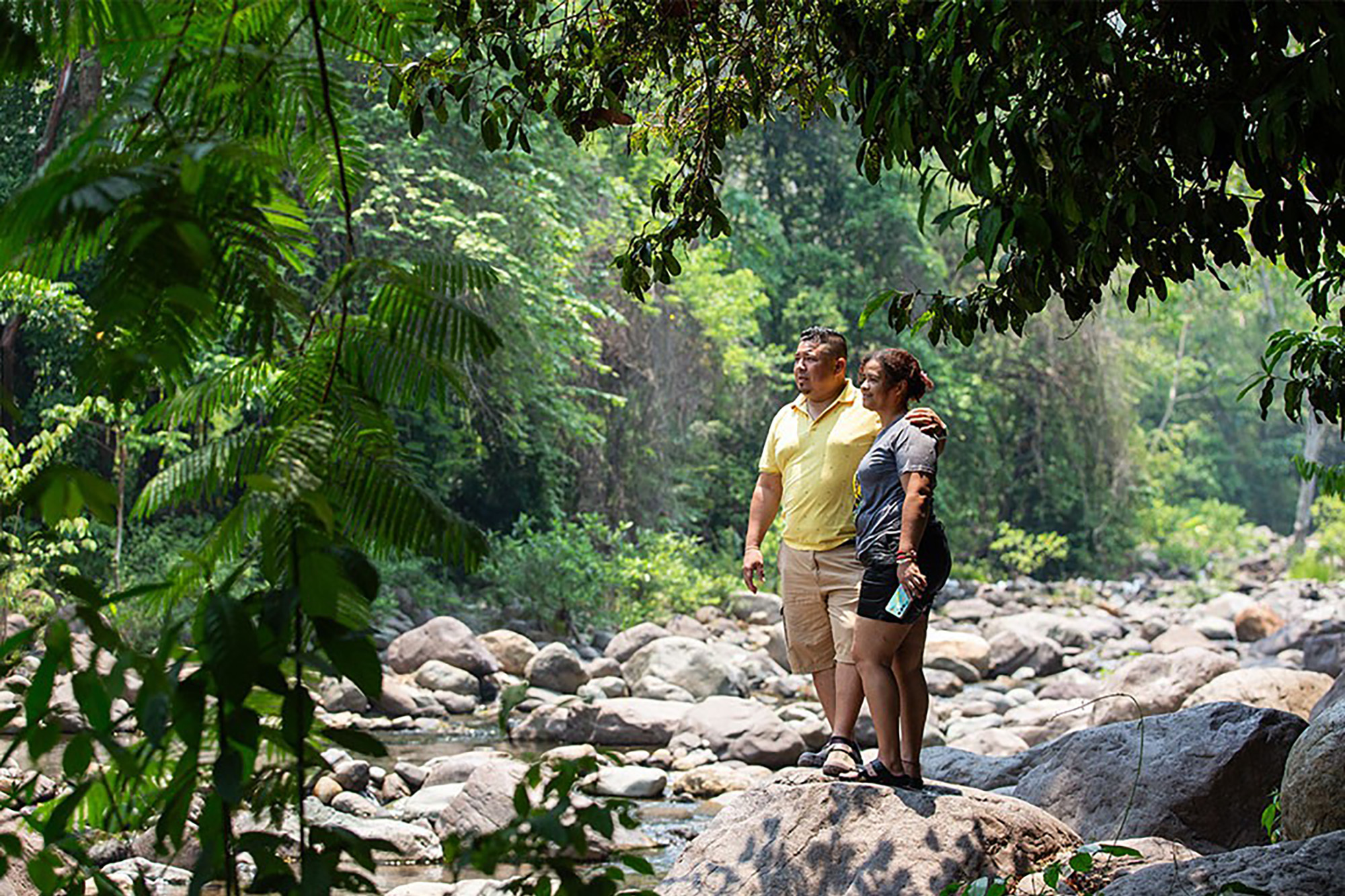
The community of Guapinol in northern Honduras, with a population of 3,000, depends on agriculture, livestock, and remittances from the United States. Surrounded by African palm plantations, the Guapinol River is slowly returning to being a source of shade and clean water, as it always had been until 2018 when people realized that the water became heavily polluted. Juana Zúniga, an environmentalist, and her partner José Cedillo have fought for the human right to a healthy environment. Their advocacy led to the passing of an important law, Executive Decree 18-2024, which safeguards protected areas in Honduras and prohibits mining in these areas.

How much do you know about degraded land, deserts and droughts?
Pakistan is revitalizing its Indus River through the Living Indus Initiative, a flagship project under the UN Decade on Ecosystem Restoration, aiming to restore 25 million hectares and breathe new life into this vital waterway.

The Mojana region in northern Colombia faces extreme water issues, with alternating floods and droughts. These conditions make it hard for the 400,000 residents to protect their health, earn sustainable incomes, and adapt to a changing climate. The Colombian Government sought help from the United Nations Development Programme (UNDP) to work with local communities. It launched a pilot project to reduce climate vulnerability by focusing on wetland restoration, local livelihoods, and infrastructure. The inland delta comprises 500,000 fertile hectares in a complex of rivers and wetlands that nourish some of the world’s richest biodiversity.

Fourth mass bleaching event underscores urgent need for global action to save imperiled coral reefs from climate change-induced extinction.
Climate change and prolonged droughts pose an ever-increasing threat to agriculture in Cabo Verde.Through the FAO-China South-South Cooperation project, a group of Chinese experts pass on their knowledge and expertise to Cabo Verdean farmers and livestock producers to fight pests, manage soil and animal production, and offer other useful techniques in adapting to the effects of climate change.

As climate records are shattered and emissions continue to rise, on this World Environment Day (5 June) the UN Secretary-General sets out some hard-hitting truths about the state of the climate, the grotesque risk leaders are running, and what companies and countries – particularly the G7 and the G20 – need to do over the next eighteen months to salvage humanity’s chances of a livable future. Follow LIVE at 10 AM EDT at the American Museum of Natural History.
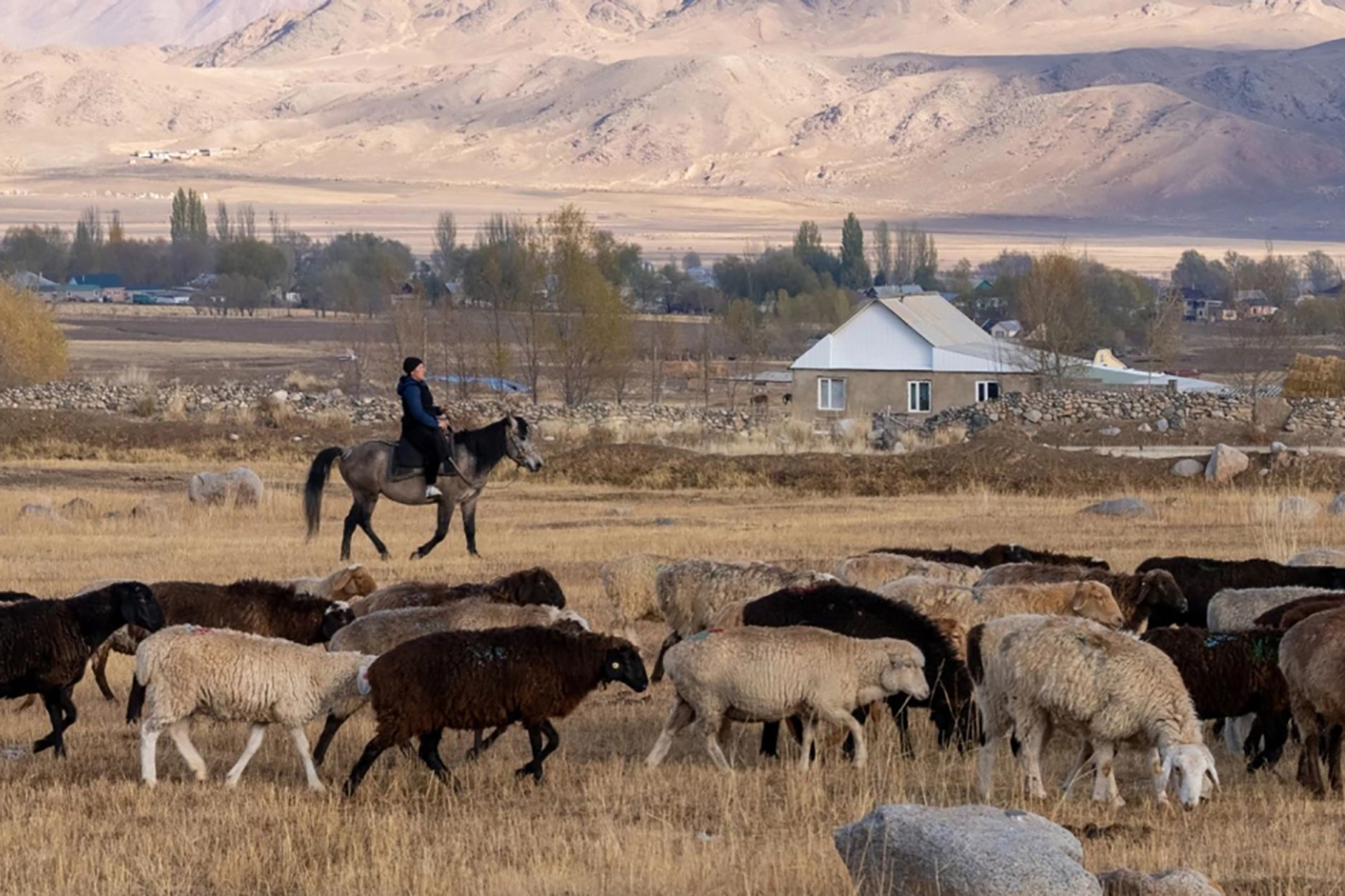
Land sustains life on Earth, but more than 2 billion hectares of the world’s land is degraded, affecting more than 3 billion people. Vital ecosystems and countless species are under threat. It is crucial to find ways to stop dry land from becoming desert, fresh water sources from evaporating, and fertile soil from turning to dust. World Environment Day (5 June) will highlight how everyone can help end land degradation and restore blighted landscapes. The United Nations World Environment Programme (UNEP) offers seven ways to get involved in restoring ecosystems.