
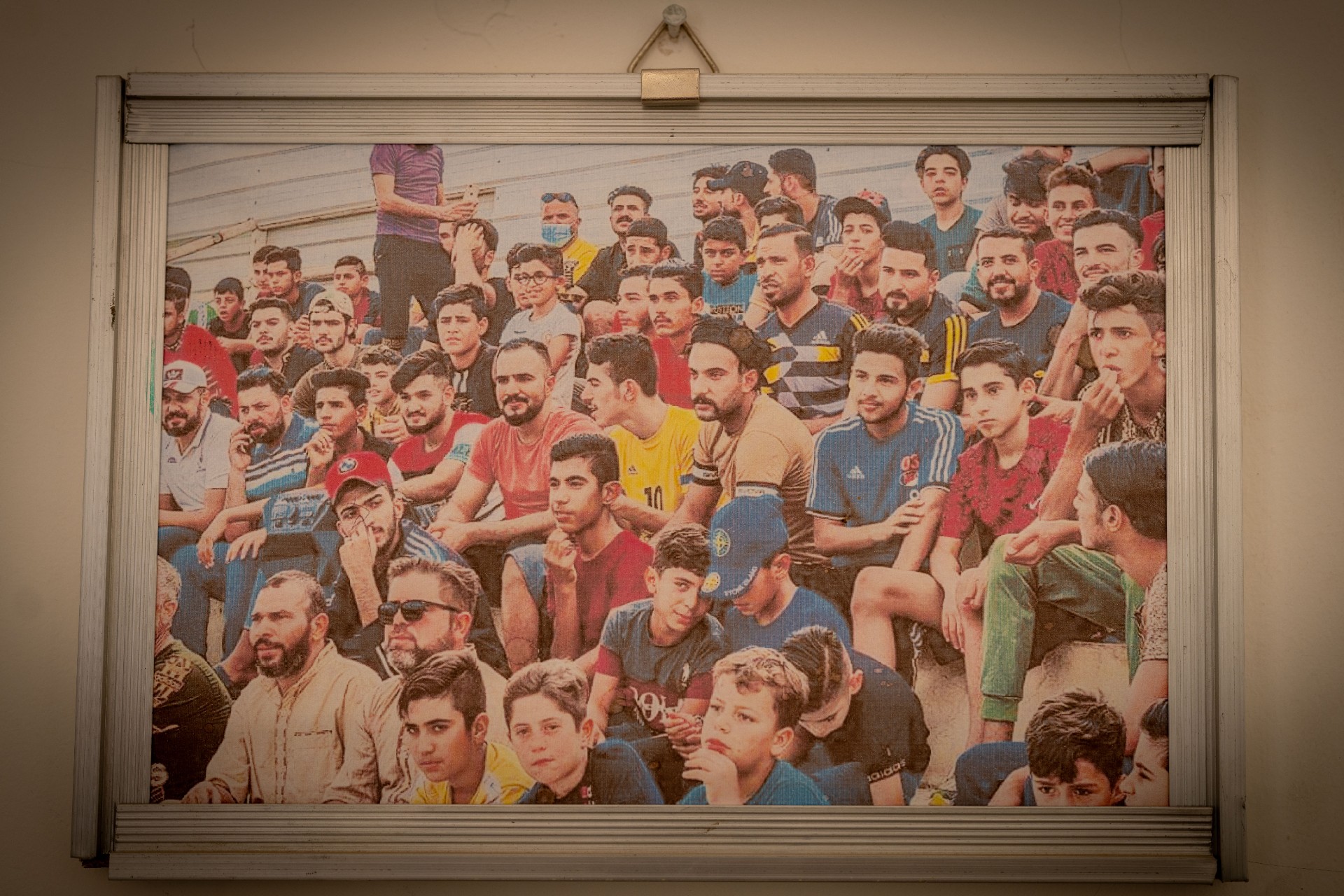
After returning to his devastated hometown of Sa’dah, Afif Wahesh helped revive the Youth Forum, transforming it into a vibrant, inclusive hub for sports, civic engagement, and community resilience.
IOM
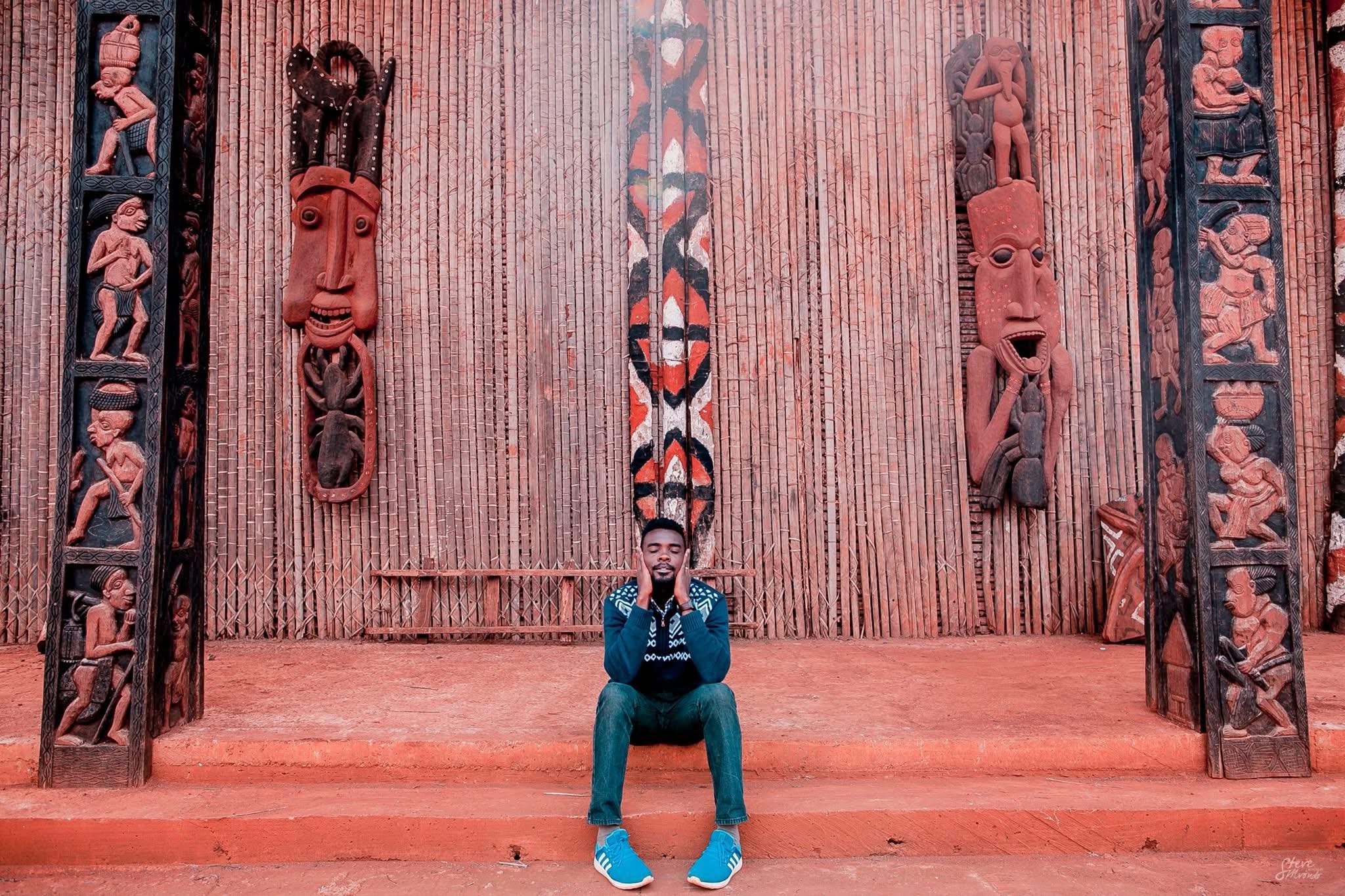
Through migration from Cameroon to Quebec, Steve Biko transformed childhood imagination, cultural displacement, and lived experience into a comedic voice that bridges identities, cultures, and shared humanity.
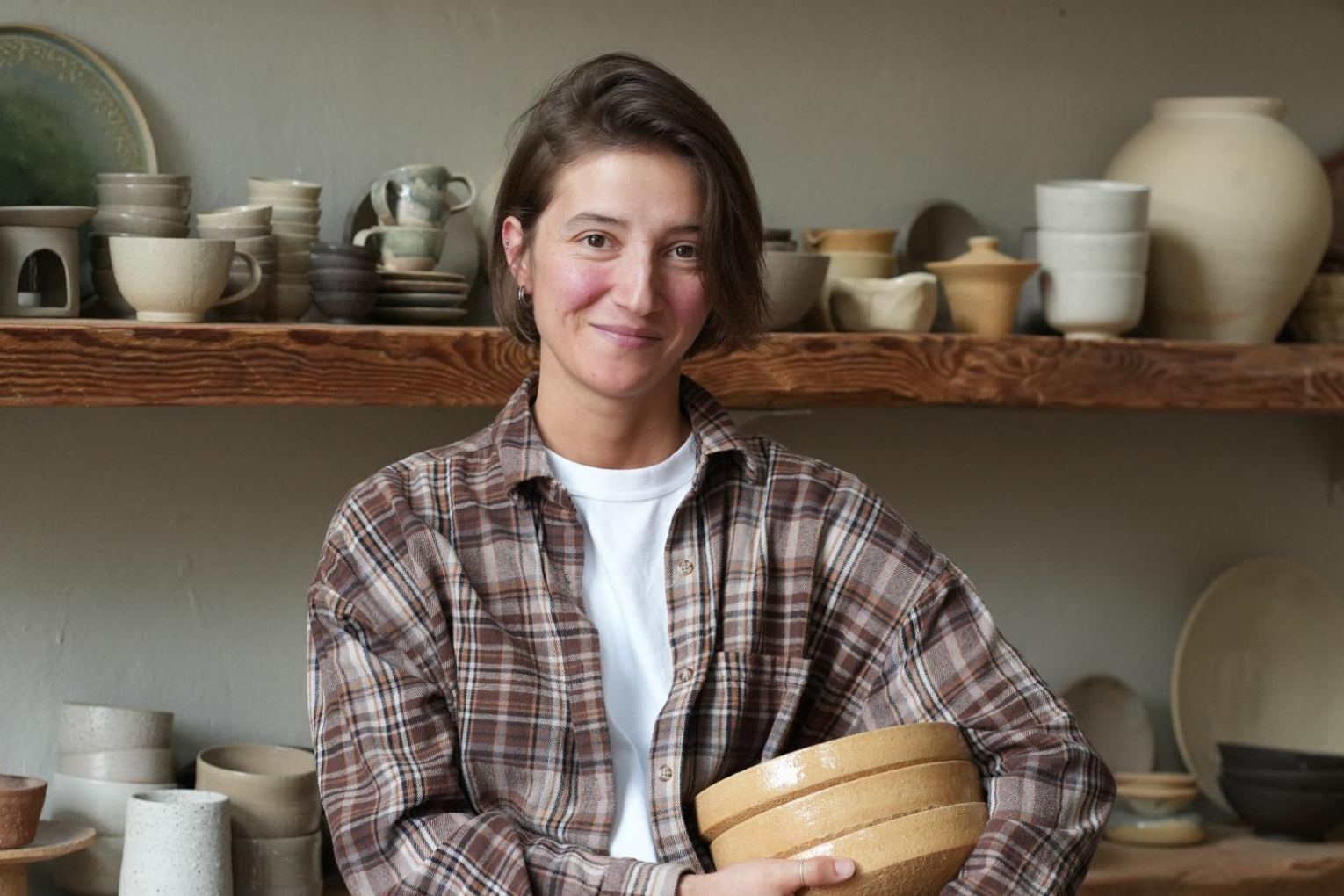
Through minimalist ceramics shaped by memory and displacement, Crimean Tatar artist Elvira Demerdzhi creates moments of calm and cultural continuity amid Kyiv’s ongoing war.
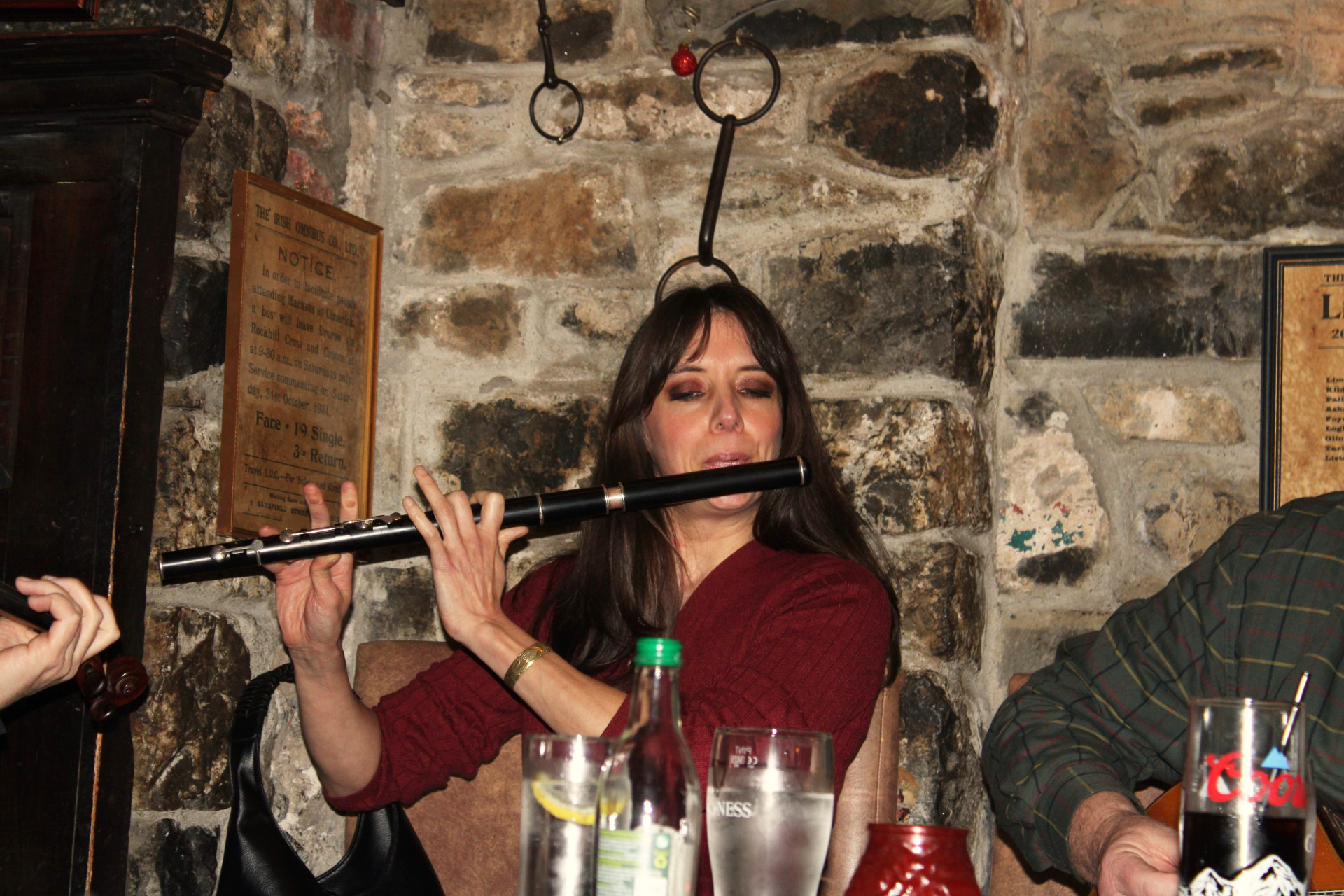
Clara’s journey from Patagonia, Argentina, to Ireland shows how music can shape migration and create belonging. Drawn to Irish traditional music during her youth, she followed her passion across continents, finding community and purpose in Ireland’s vibrant trad scene. While integrating into Irish culture, Clara maintains her Argentinian roots, blending Latin American styles into her performances and teaching guitar to local children. Her story illustrates how migration allows culture to travel, evolve, and connect people. By sharing her heritage and embracing new traditions, Clara exemplifies how music can bridge worlds, build community, and make a new place feel like home.
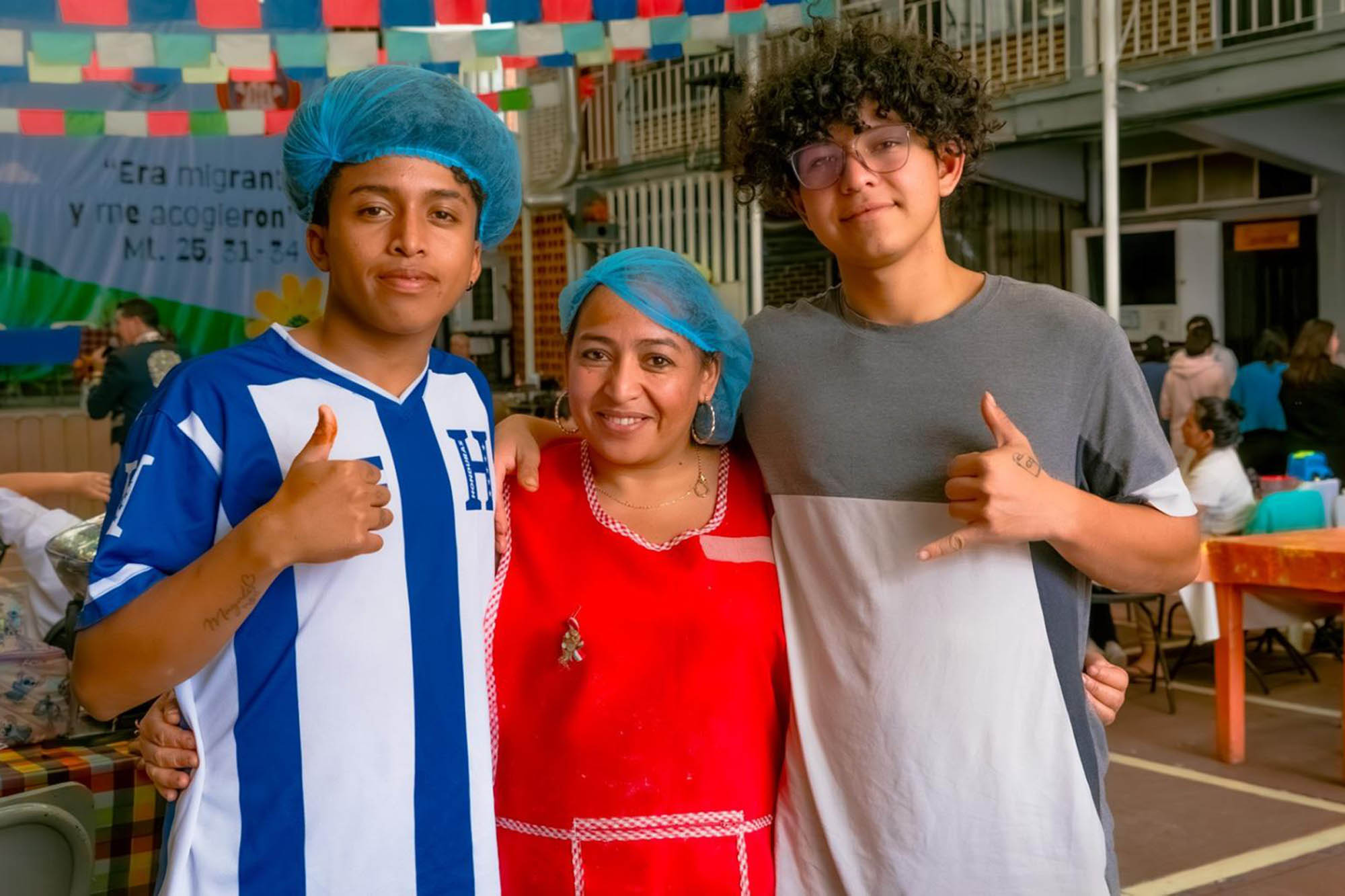
Migration is shaping our world in profound and lasting ways. From driving economic growth and innovation to strengthening communities and sustaining development, human mobility is a defining force of the 21st century. International Migrants Day 2025 (18 December) celebrates migrants for their economic contributions, resilience, skills, and stories, recognizing the strength, leadership, and courage they bring to societies everywhere. On this day, let us stand together to protect the rights of every migrant and ensure that migration is safe, dignified, and empowering for all.
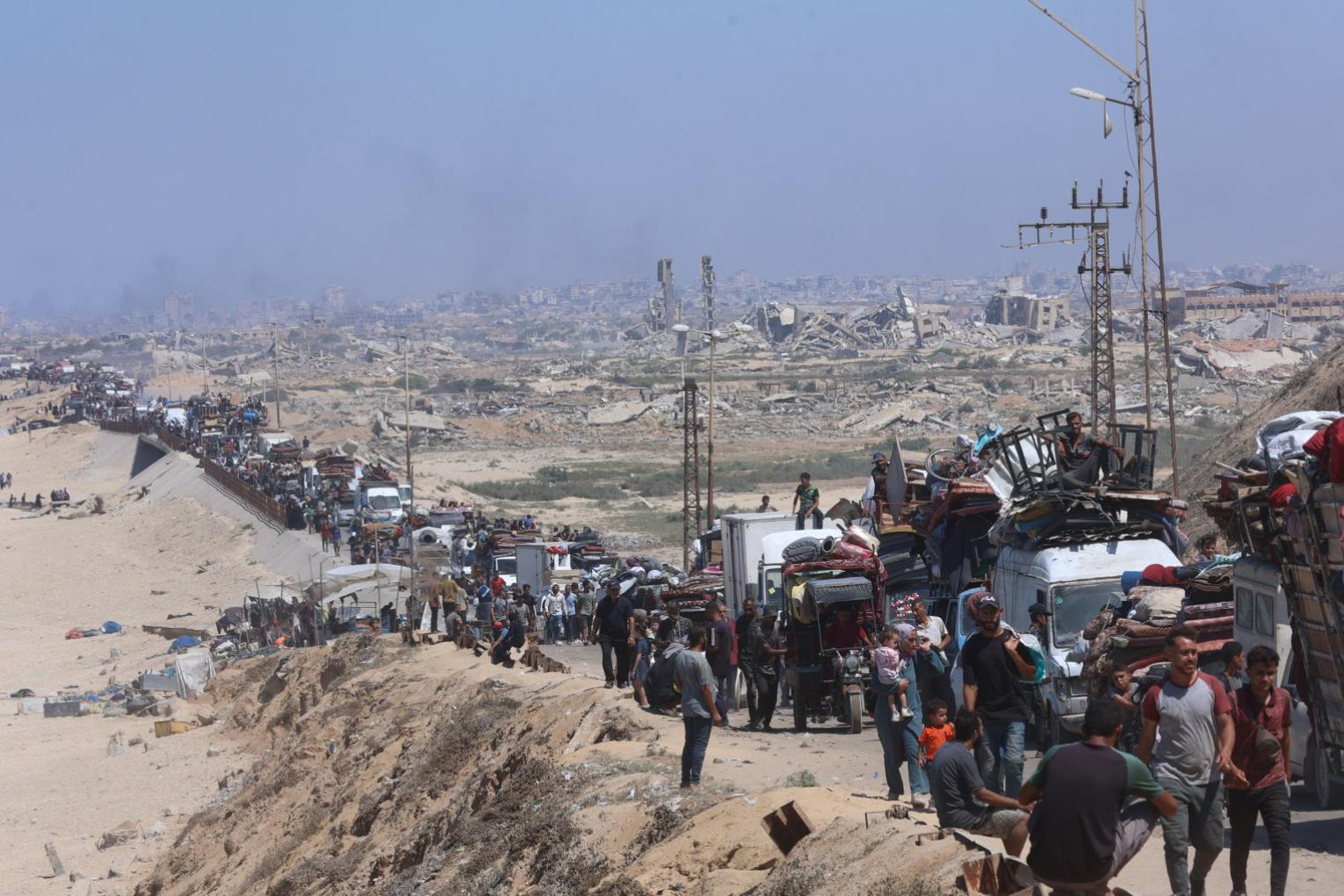
One month into the ceasefire, Gaza’s displaced families are experiencing brief relief but remain exposed to the cold and devastation as urgent humanitarian access and shelter support are desperately needed.
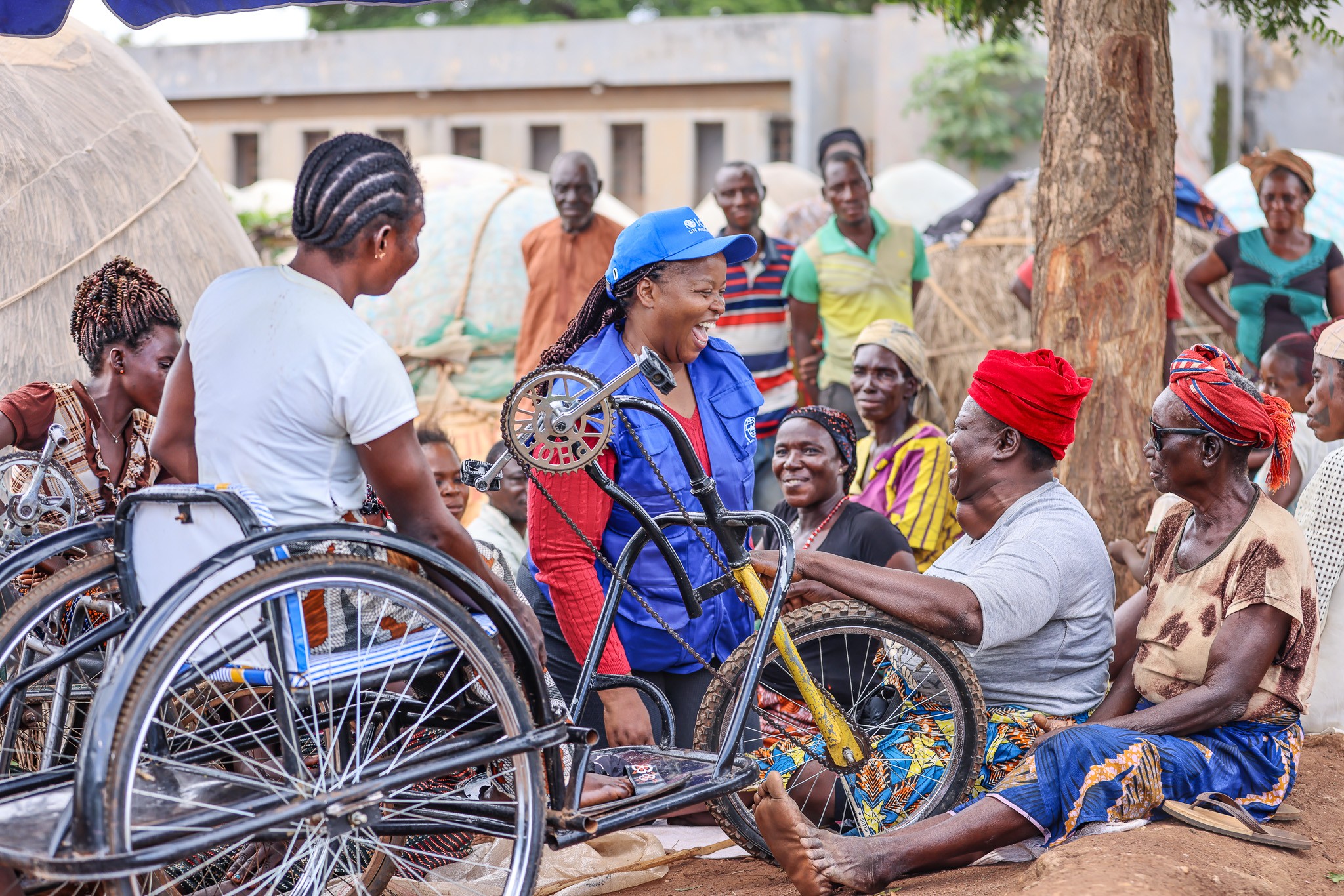
In Nigeria’s Gbajimba camp, Shiminenge overcomes disability and displacement, leading advocacy that helped transform the site with accessible shelters, sanitation, and mobility support, restoring dignity for many.
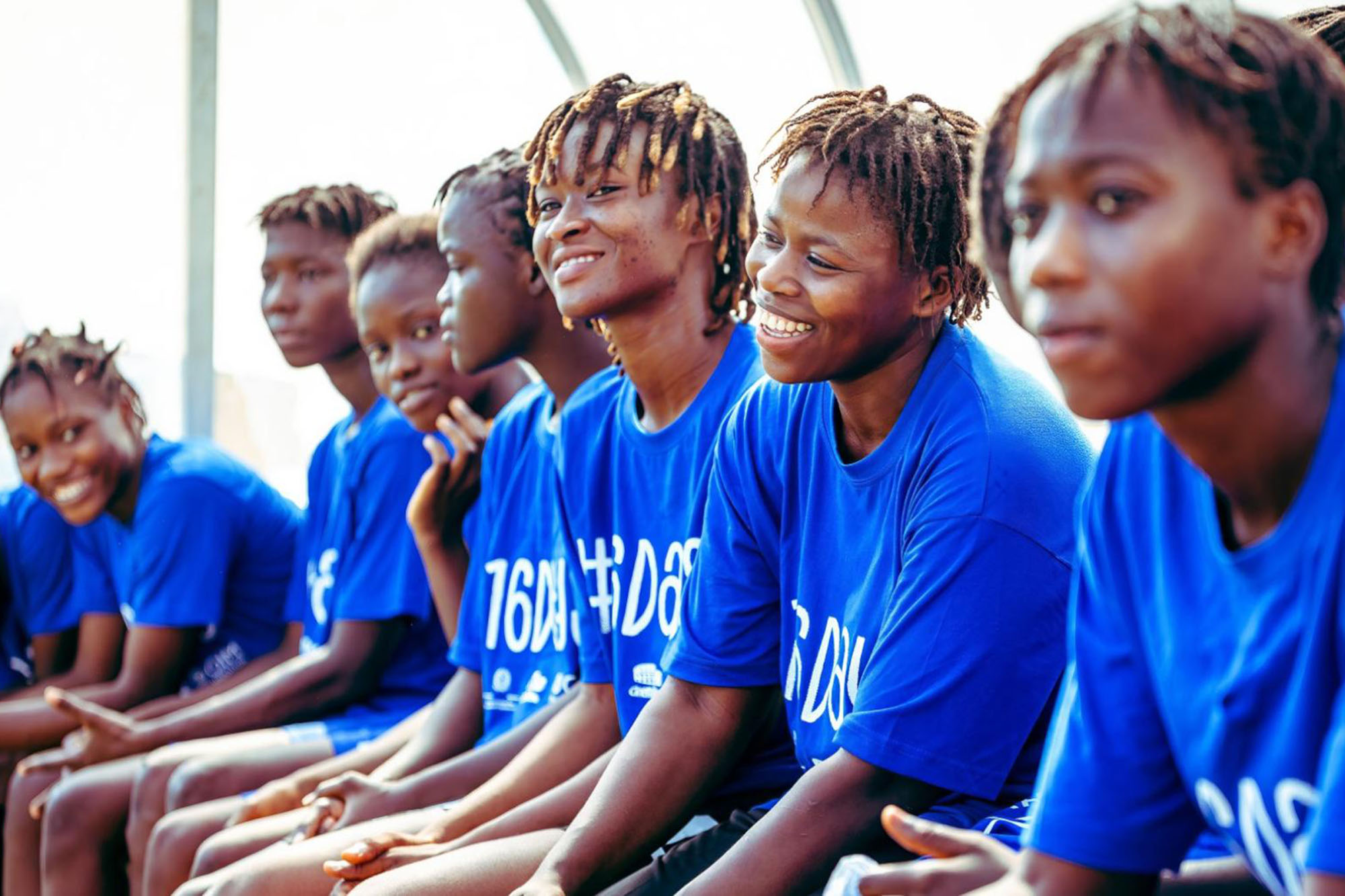
Late morning in Conakry, Guinea, AS Bolonta’s players warm up at the Nongo Technical Centre, illustrating the camaraderie among the team. Founded in 1995, the club has become a cornerstone of women’s football in Guinea, overcoming societal judgments. Team captain Nathalie Sossoadouno highlights the progress since she joined in 2019. Under the visionary leadership of Moussa Doumbouya, who passed away in 2024, the club flourished. Now led by Sega Diallo, AS Bolonta aims to foster both athletic talent and personal growth, empowering its players to build strong futures beyond football.
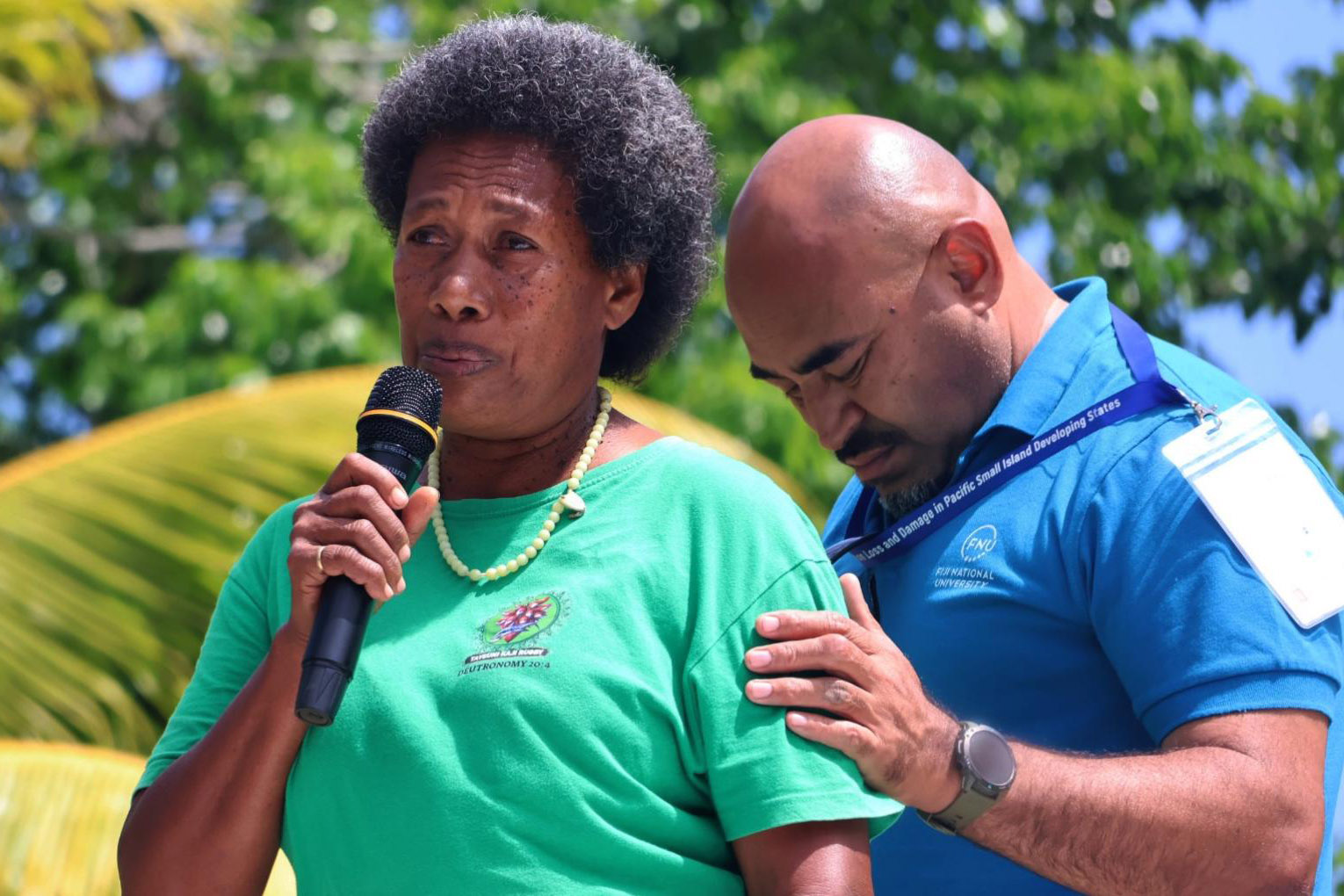
A village fighting rising seas with unshakable spirit and an unbreakable promise to its ancestral land.
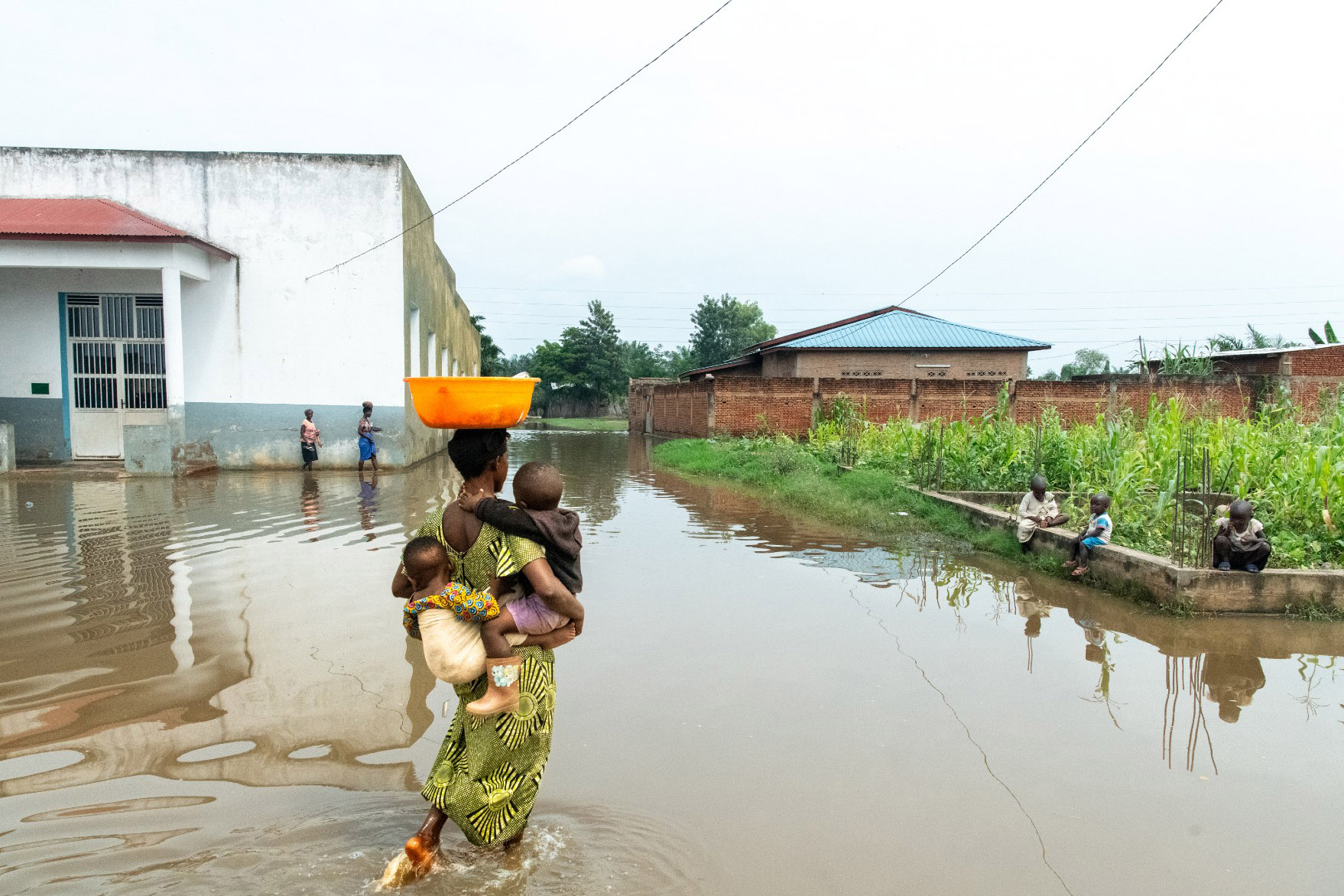
After devastating El Niño floods destroyed her home in Burundi, Alphonsine and thousands like her are rebuilding their lives with IOM’s support, proof that with compassion, resilience, and sustained climate action, recovery is possible.
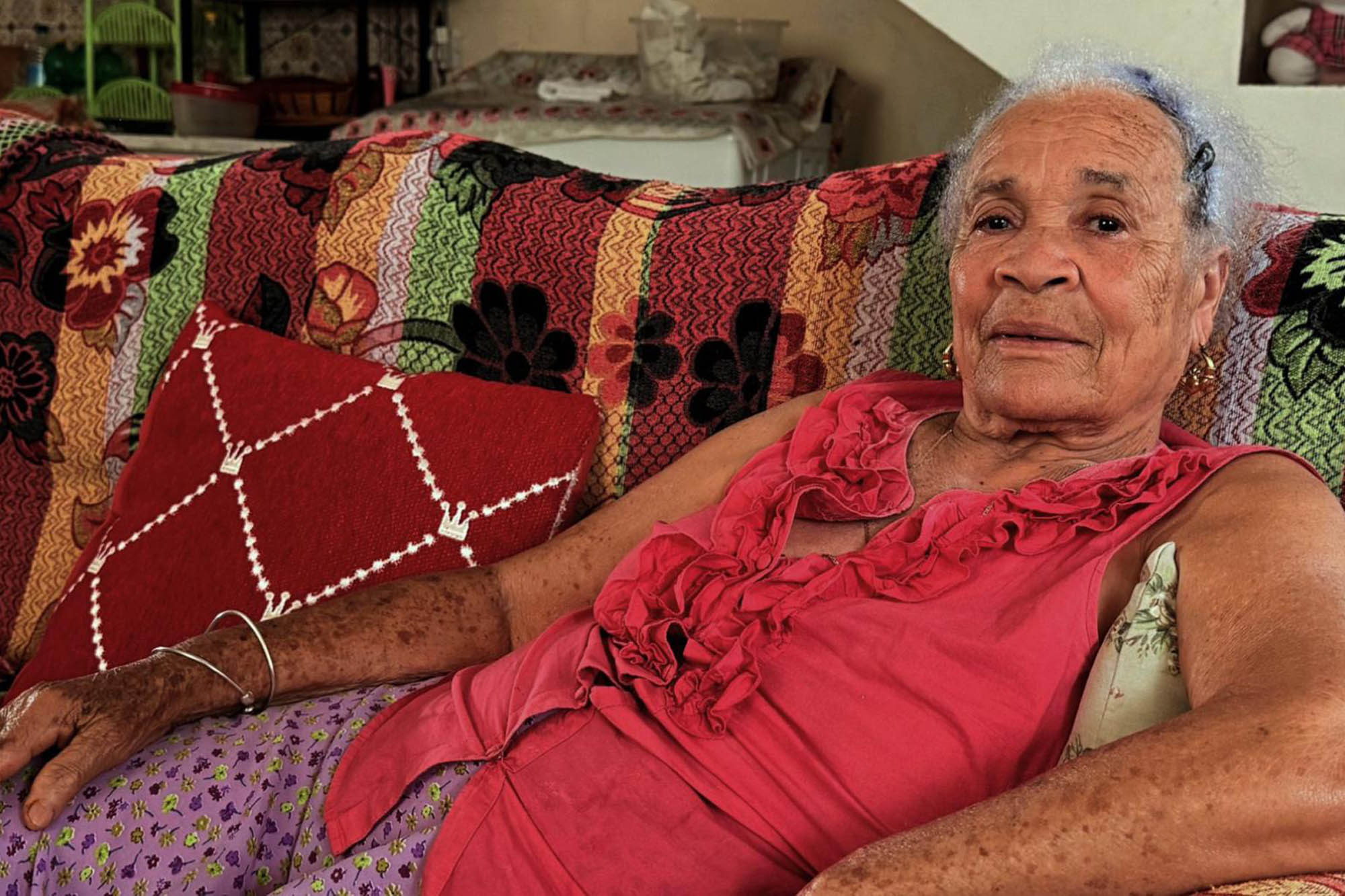
In August 2015, Tropical Storm Erika devastated Petite Savanne, Dominica, claiming over thirty lives and obliterating homes and livelihoods. The area was declared unsafe, forcing families like Vinora’s to relocate to Bellevue Chopin, a government resettlement community. While safer, it lacked the familiarity and sense of belonging that Petite Savanne provided. Elders like Athena lament the loss of community life and social connections. The impacts of climate change are escalating, making such dislocations more common. The people of Petite Savanne strive to rebuild, emphasizing the need for collaboration and lasting solutions to protect lives and dignity.
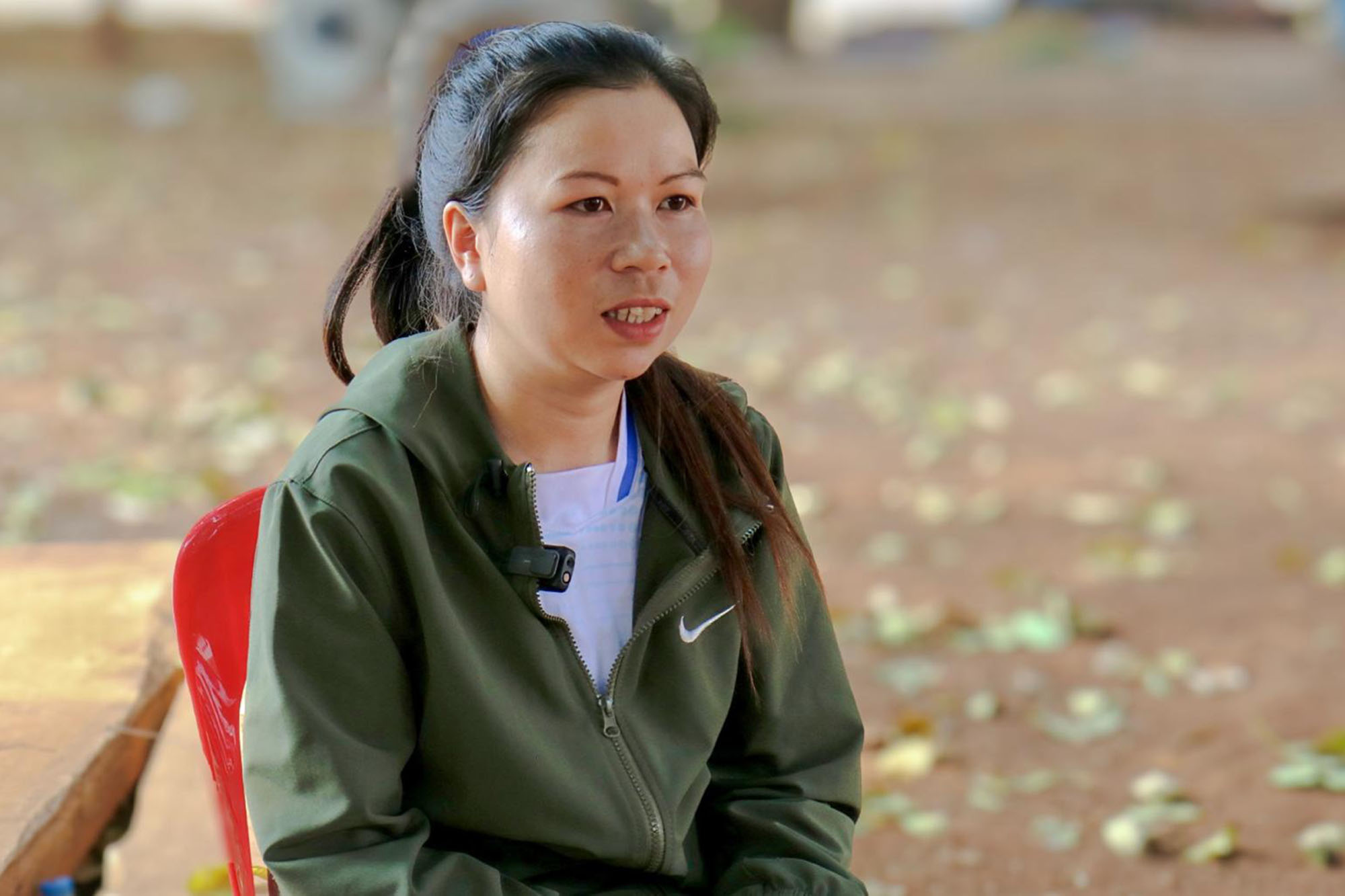
Mok, once a jewellery factory worker in Thailand, recalls her longing for home during her three years abroad. In Laos, nearly one in five families depend on remittances from migrant workers like her, who take on tough jobs to support their families. Forced to leave for better income, Mok felt a deep duty to provide for her loved ones. Now, she has transformed her life by cultivating mushrooms at home, earning a steady income while being present for her family. She sells her produce locally and cherishes the moments spent watching her children grow and sharing meals together.
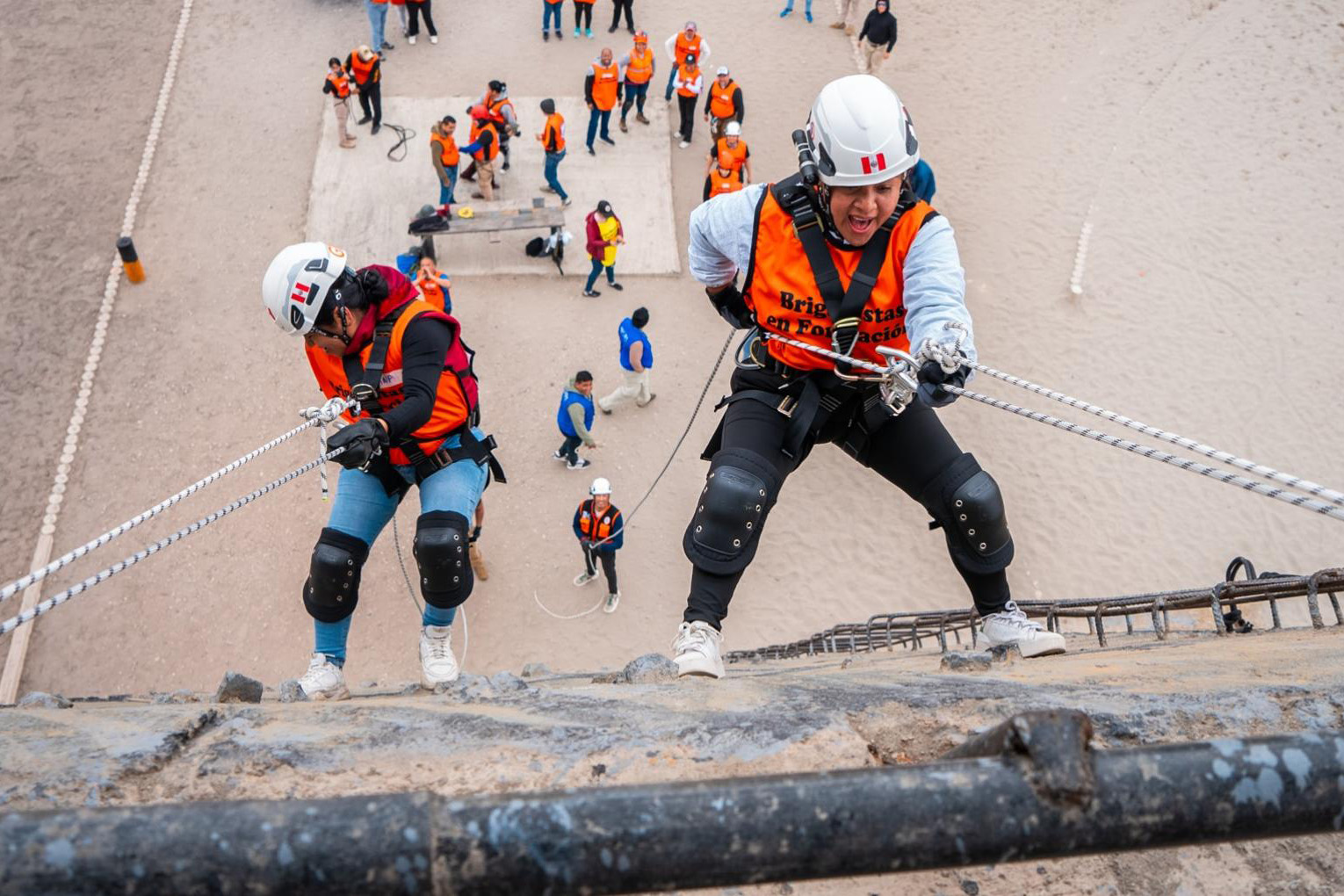
After fleeing panic during an earthquake, Nicaraguan migrant Tamara Baltodano found new purpose in Peru, training to save lives and proving that courage knows no borders.
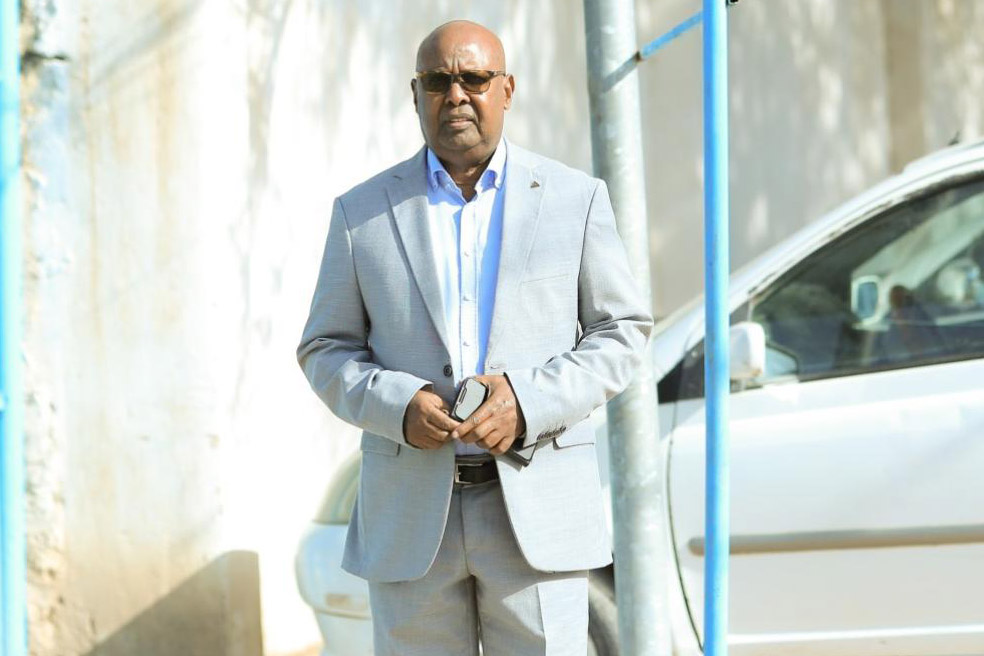
Dr. Yacoub Aden Abdi’s relentless advocacy transformed mental health from a neglected issue into a national health priority in Somaliland.
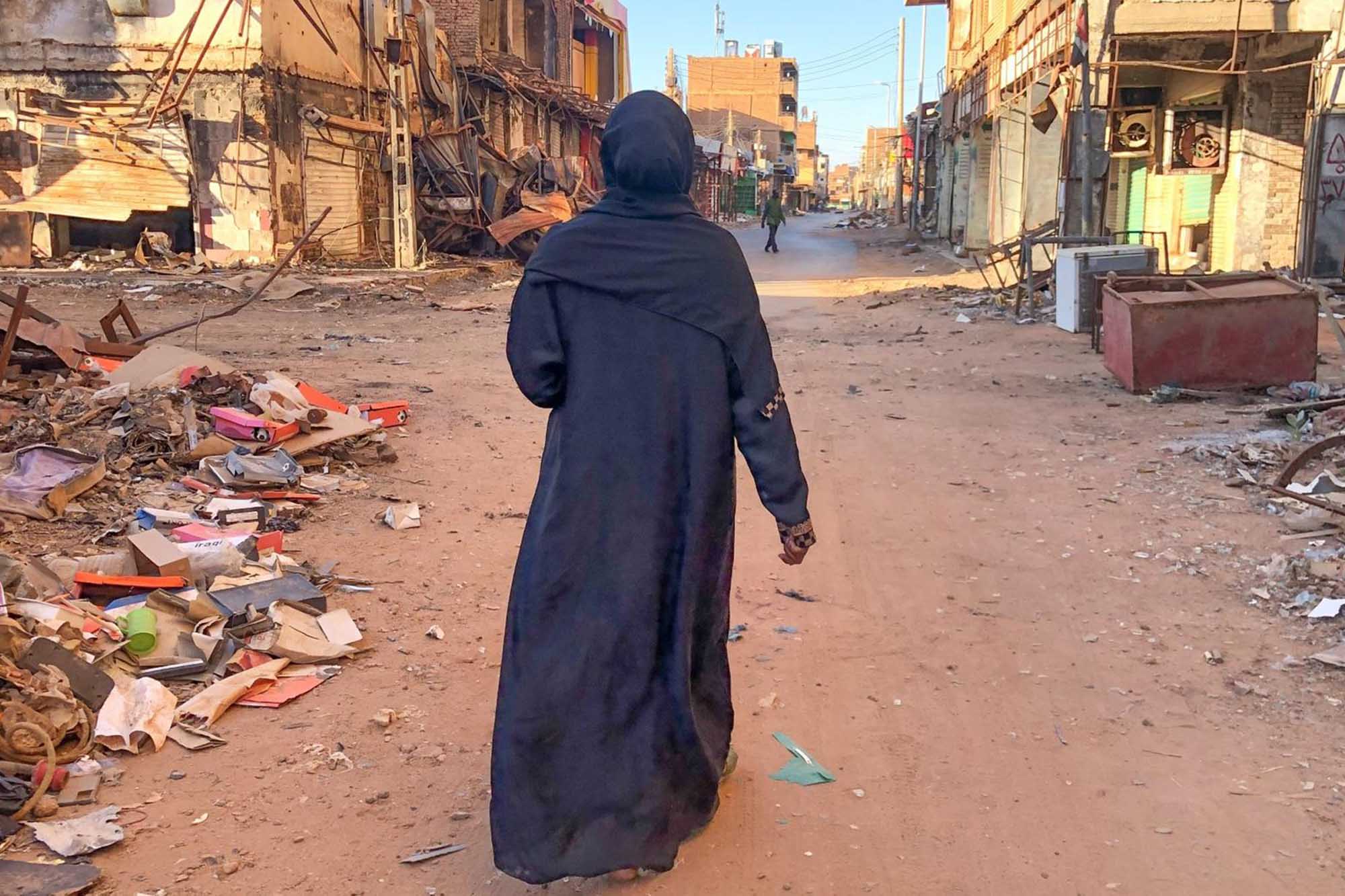
In Abu Shouk camp, North Darfur, Jamila and her four children live under a thin plastic sheet, facing daily struggles for survival. Once, they ran a grocery shop in Zalingei, providing dignity and community. War changed everything; a shell destroyed their home and her husband disappeared without a trace. Fleeing with her children, she endured a harsh journey filled with hunger. Now at the camp, she works in exchange for food, but it’s never enough. Despite the overwhelming loss and uncertainty, Jamila remains determined to keep her children alive. With millions displaced in Sudan, her story reflects the profound struggle for safety and hope.