
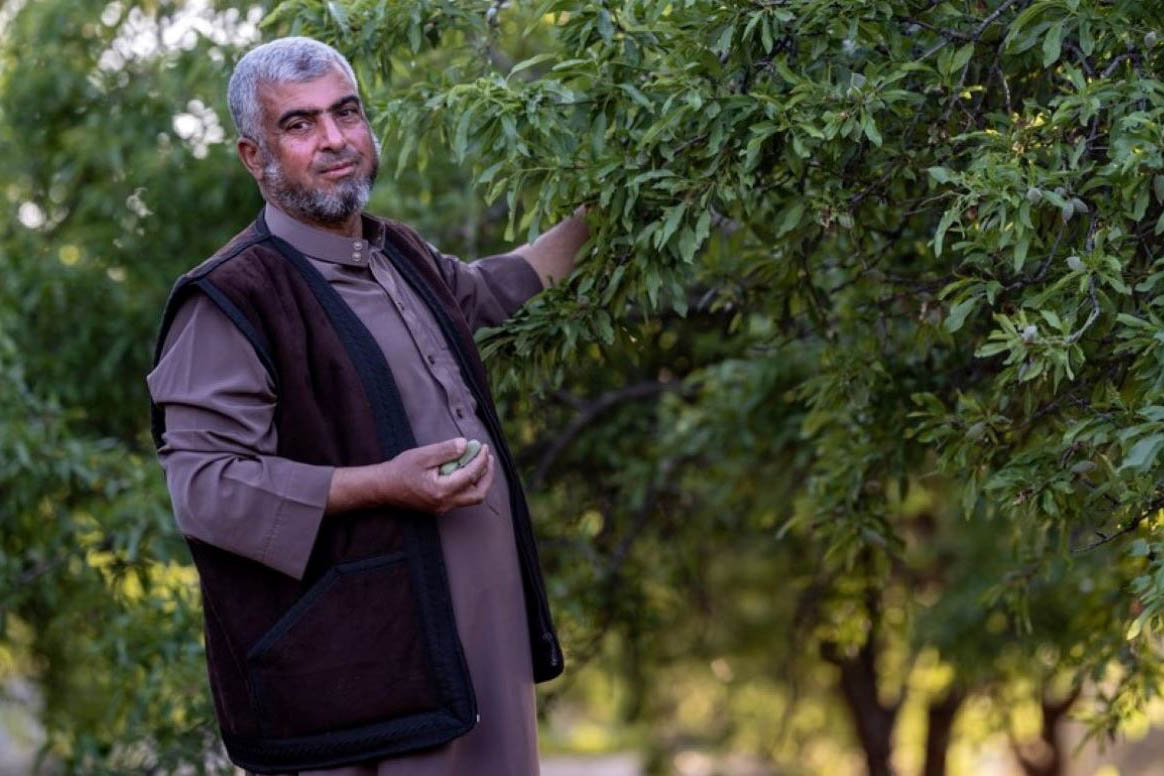
In 2026, IFAD is strengthening rural economies by empowering youth, promoting resilience, and connecting small-scale producers to markets to drive inclusive, sustainable growth.
IFAD
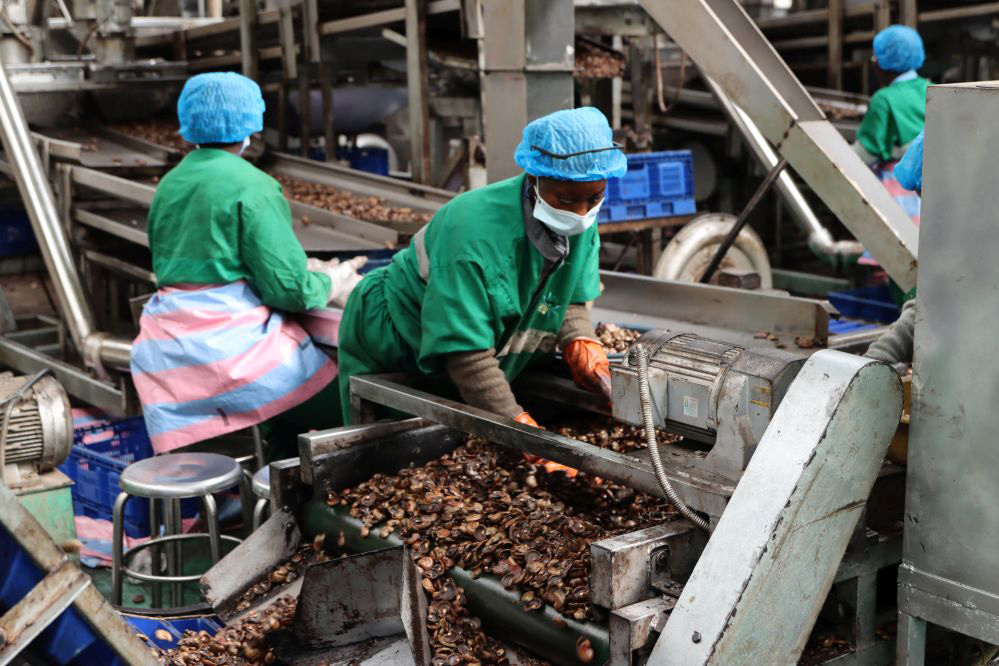
By investing in rural development, jobs and value chains, IFAD helps turn migration from a necessity into a choice by creating stable, home-grown opportunities where people live.
In Peru, the Awajun community, supported by the Avanzar Rural project, adapts cacao farming to climate change, improving yields, incomes, and market access for smallholders.
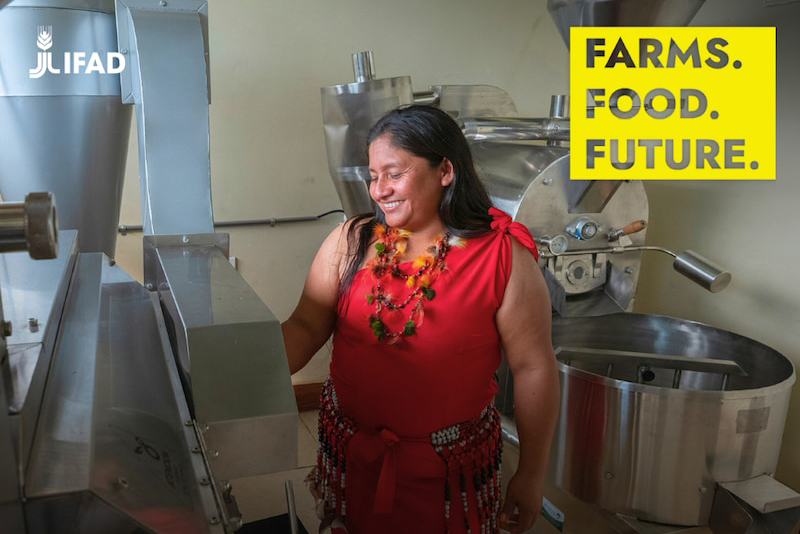
Adaptation can seem daunting for rural businesses, but it’s a win-win. By adopting sustainable farming techniques like agroforestry, small-scale farmers can drive economic growth while protecting their land.
In the third episode in IFAD's “Life stories” mini-series, we head to the Peruvian Amazon to see adaptation in action. Join us as IFAD Recipes for Change chef Waldir Maqque meets with Ruth, whose farmers’ association has become a key player in the local cacao value chain with IFAD’s support.
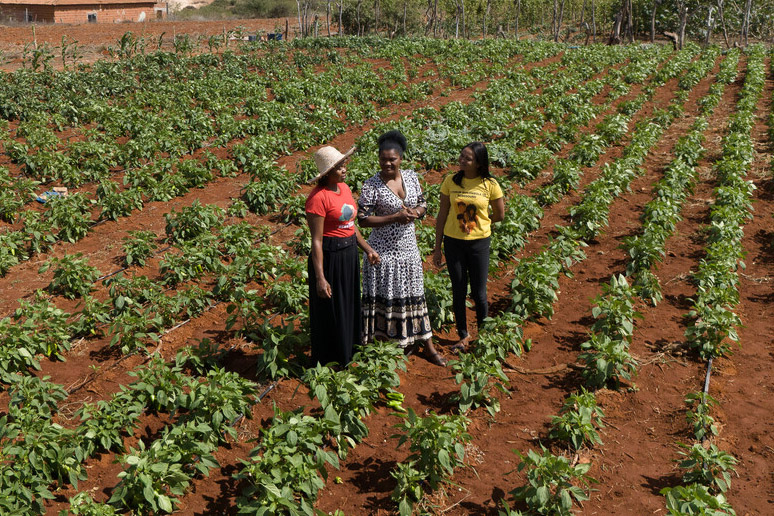
Family farms, when backed by smart public and blended financing, can become powerful drivers of food security, rural prosperity and climate resilience.
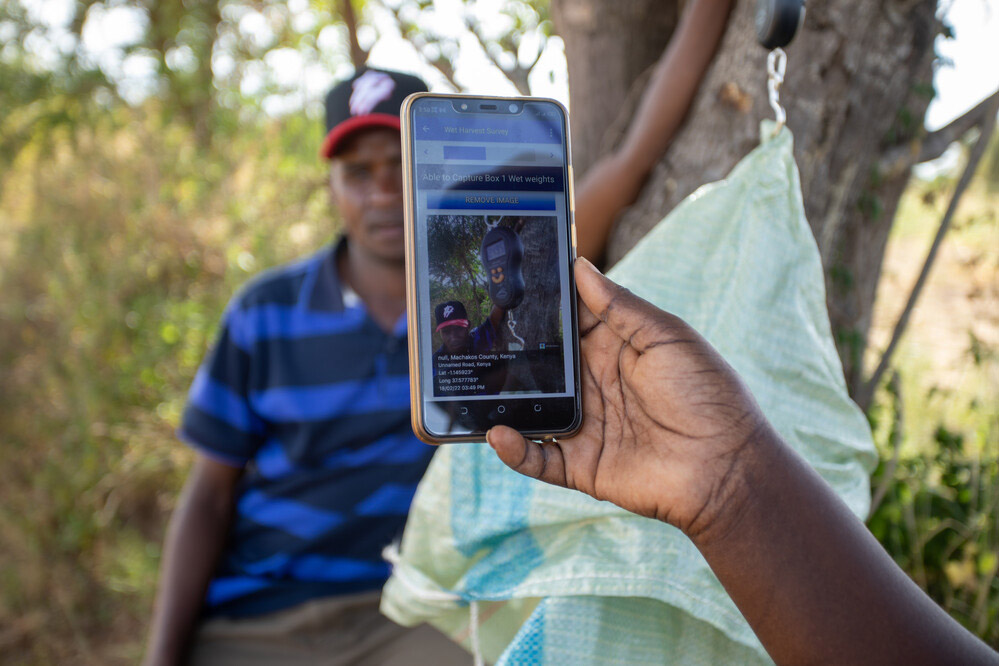
By replacing outdated financing models with innovative, investment-driven approaches, adaptation finance can unlock sustainable growth, attract private capital, and deliver lasting resilience for rural communities and global economies alike.
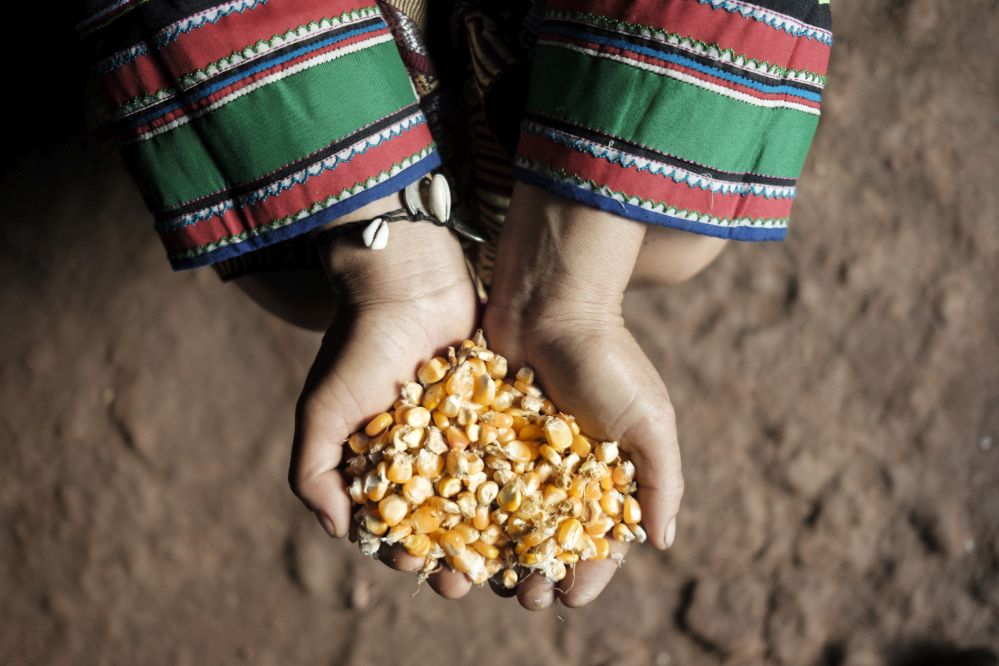
Around the world, small-scale farmers are pushing our food systems to evolve. They’re the key to producing enough safe, nutritious food to feed the world sustainably.
In this episode, we explore how IFAD works hand in hand with rural communities to build a more nourishing future. Learn how innovative agroecology projects are driving economic growth and hear directly from IFAD’s President, Alvaro Lario, about how school meals are inextricably linked to resilient local food systems.
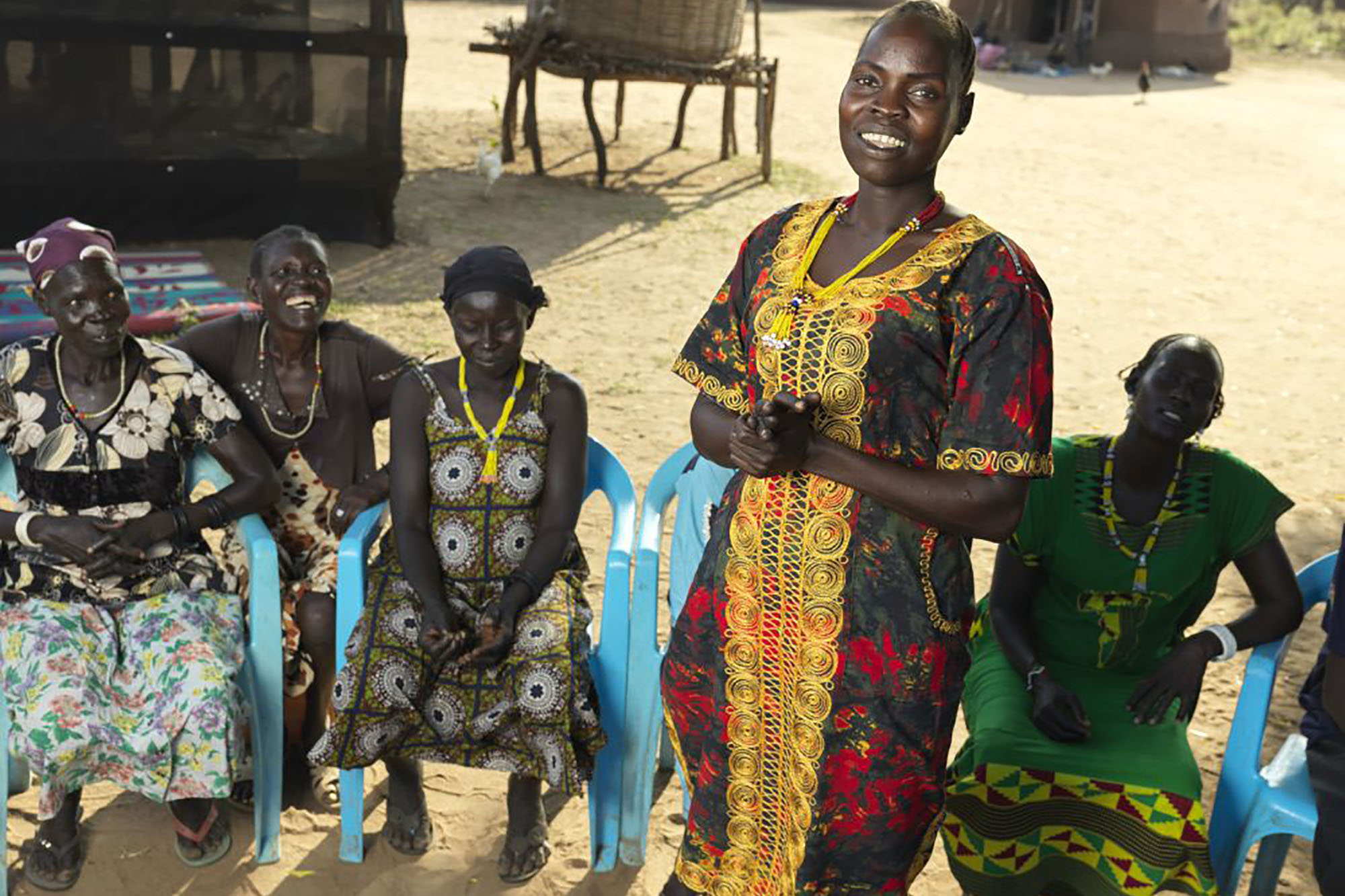
Rural women are the innovators, leaders and changemakers at the core of our planet’s food systems. That’s why supporting them is essential to building a sustainable future. In honour of the International Day of Rural Women, we’re celebrating their vital contributions. In a new episode of IFAD’s Farms.Food.Future podcast, we explore how empowering women through training, access to resources, and leadership opportunities creates stronger rural communities and leads to measurable improvements in income, food security, and resilience.
In Benin, black soldier fly larvae decompose organic waste in 12 days, producing natural fertilizer that boosts soil and crop yields.
Yemen’s Rural Livelihoods Project boosts resilience by restoring water, providing solar power, and teaching nutrition to fight poverty and hunger.
In Chad, more than 3.3 million Chadians (19% of the population) are facing high levels of acute food insecurity. The continued influx of people fleeing conflict in Sudan, persistent insecurity, and increased risks of flooding and drought place the country on the list of hotspots for malnutrition and hunger.
On World Rural Development Day, we meet Khmayes from rural Tunisia, whose life was transformed by an IFAD-supported project that gave him the freedom to transport and sell his goods with a motorized tricycle.
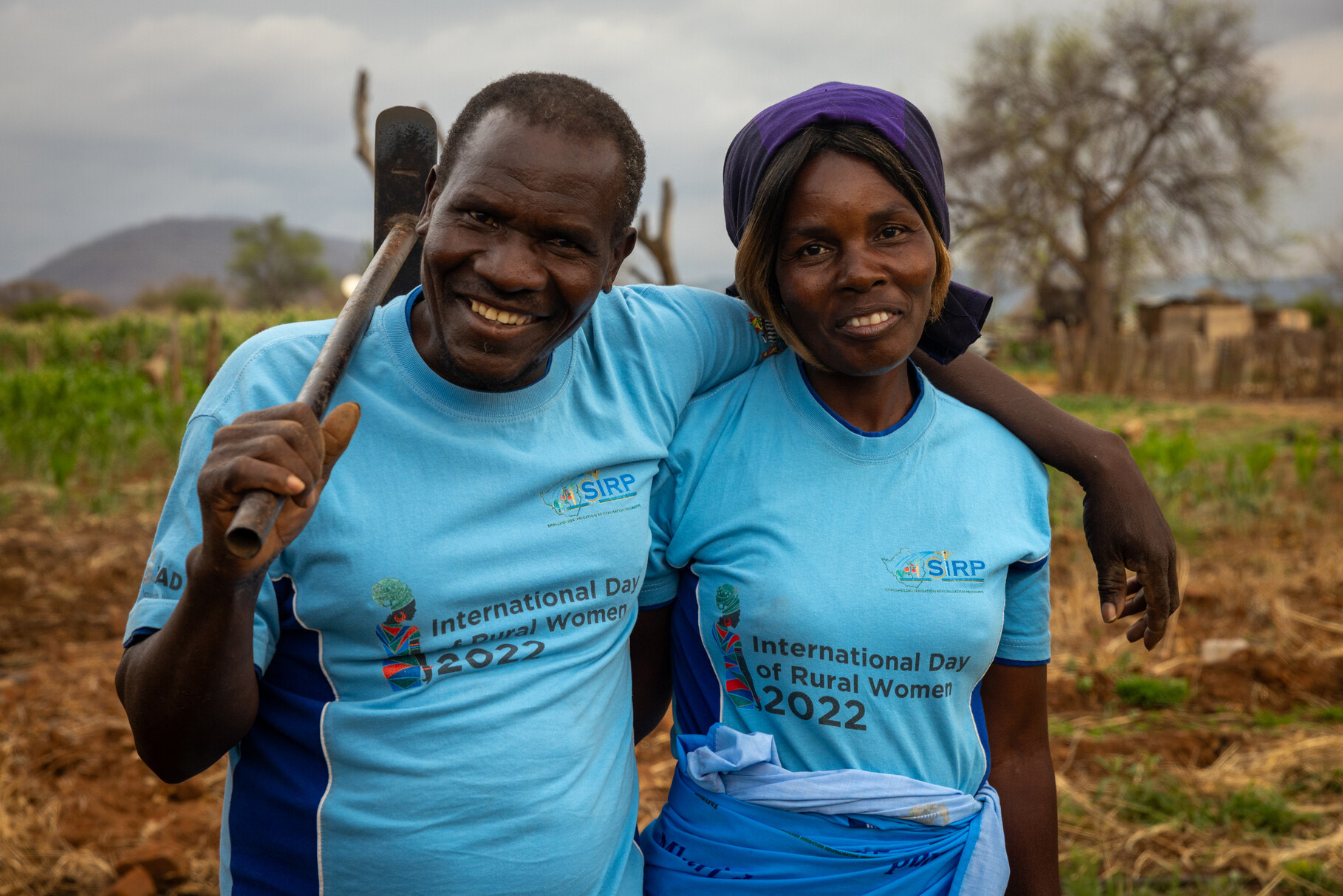
Small-scale farmers live on the frontlines of climate change – and because they grow so much of the world’s food, their ability to adapt is in everybody’s interest. Munashe and Tamari live in Zimbabwe’s southeastern drylands, where rain has grown scarcer in recent years and crop failure has become commonplace. But with support from the International Fund for Agricultural Development (IFAD) they have been able to double their crop yields. With the resulting income boost, they have renovated their home and paid for their children’s education. Rural development is IFAD’s bread and butter. As the only UN agency exclusively dedicated to transforming agriculture, rural economies and food systems, it makes sure that small-scale farmers can improve their lives. To mark the first-ever World Rural Development Day, take a look at five essential parts of the Fund's work.
Mute'e, a Yemeni farmer, dreams of better living conditions for his family, while Yemen’s rural population faces ongoing conflict, climate challenges, and limited resources.
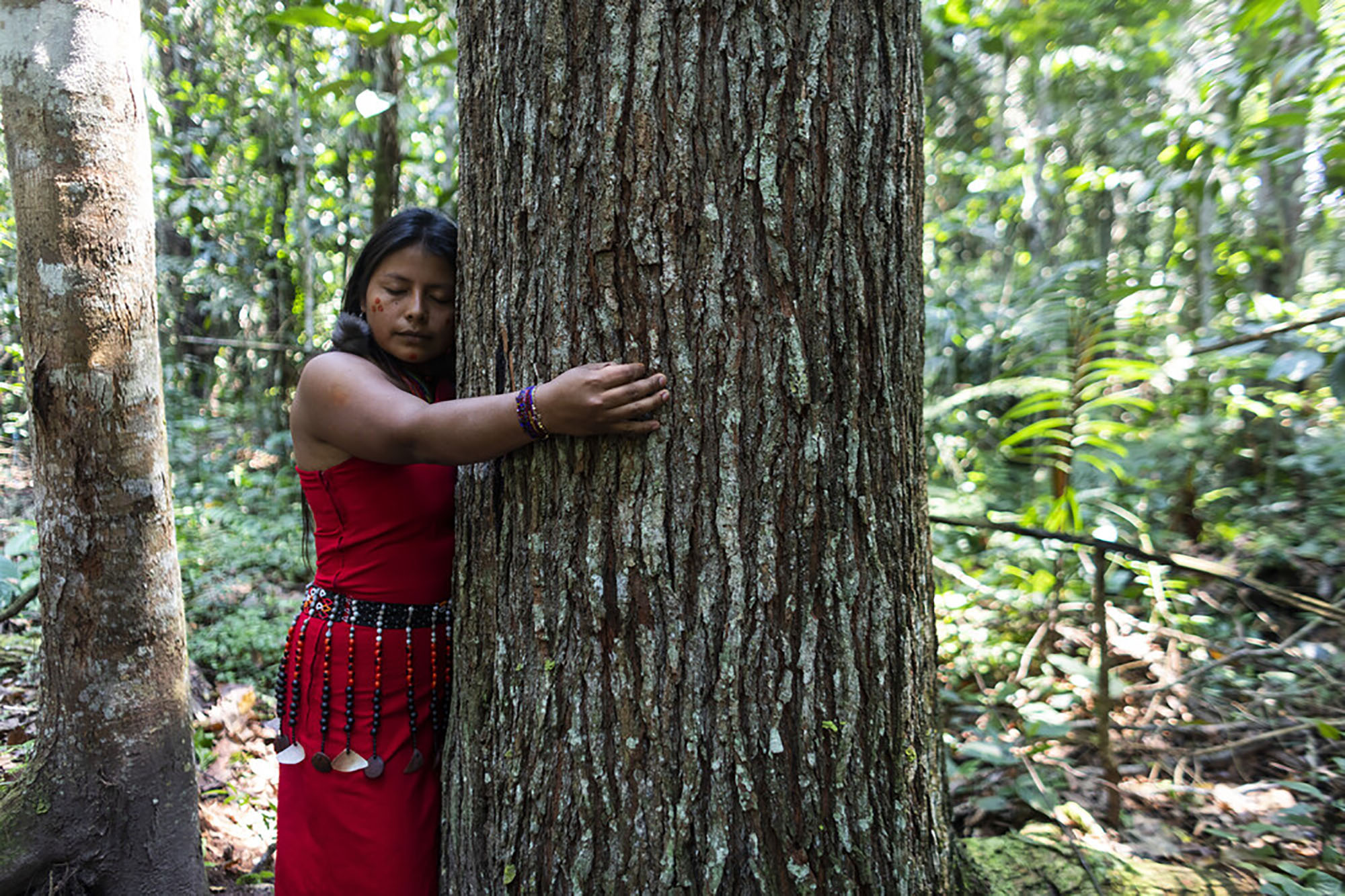
Our planet sustains all life by providing clean air, water, and food. Rural communities, including farmers, fishers, and herders, recognize that their well-being is connected to the health of the earth. Diverse ecosystems support food production and economic prosperity. To support these communities, the International Fund for Agricultural Development (IFAD) collaborates with governments to finance sustainable projects, investing $4 billion in sustainable land management and $1.4 billion in climate finance since 2000. From 2018 to 2023, 70% of IFAD projects focused on conserving biodiversity, and 60% promoted agroecological practices. These initiatives empower rural people to care for the environment while benefiting from its resources.