
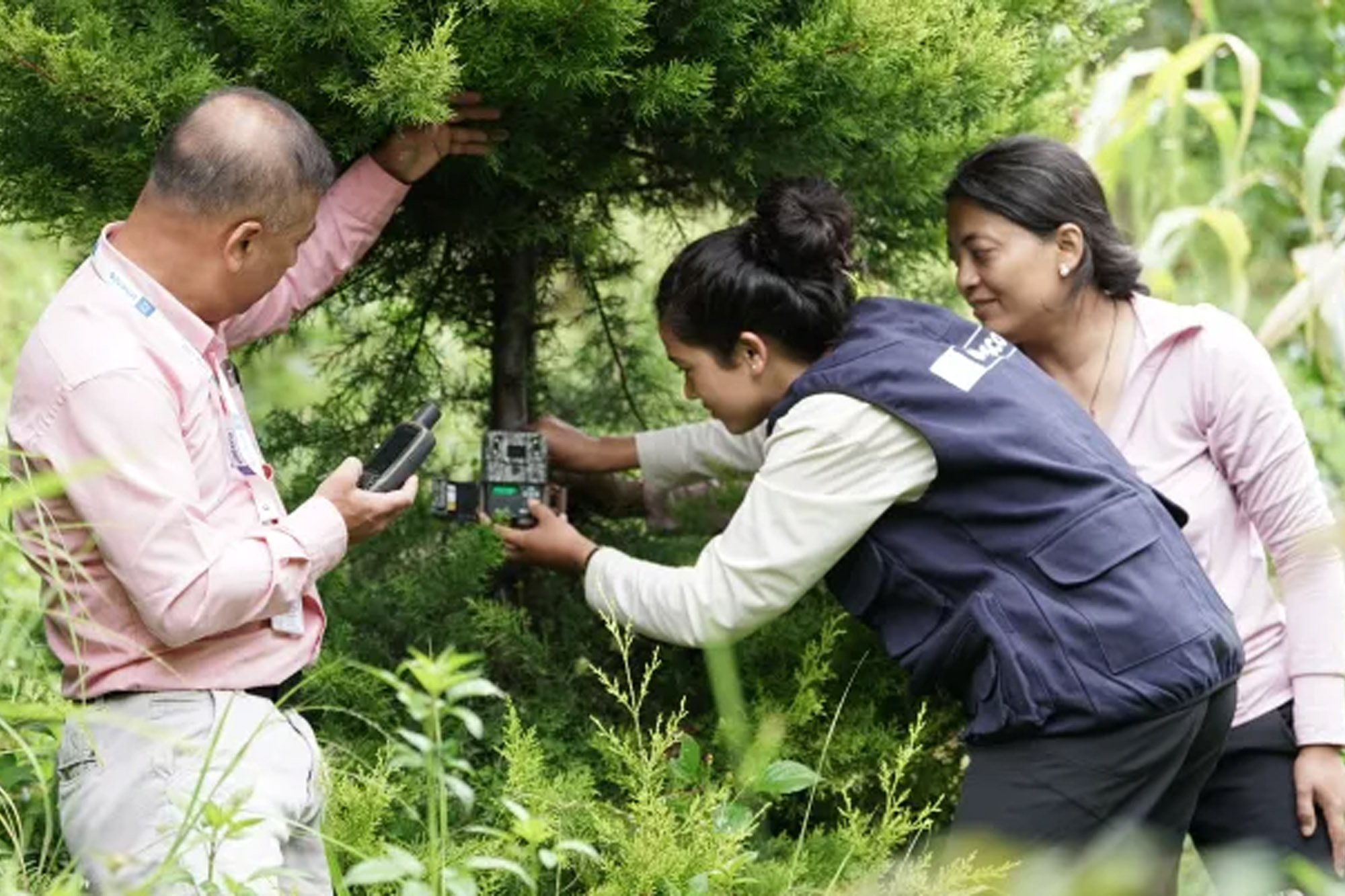
The forests around Mount Kanchenjunga in Nepal boast rich biodiversity, including endangered species like the snow leopard and red panda. Indigenous communities have traditionally used their knowledge for conservation, but challenges such as climate change, poaching, and hydropower projects are threatening this balance. Local resident Purna Kumar Limbu notes that frequent explosives from these projects are driving wildlife away. In response, the UNESCO initiative, Strengthening Community Engagement for Biodiversity Conservation, launched in 2025, aims to enhance global recognition of the Kanchenjunga Conservation Area and reinforce its importance to the local community.
UNESCO
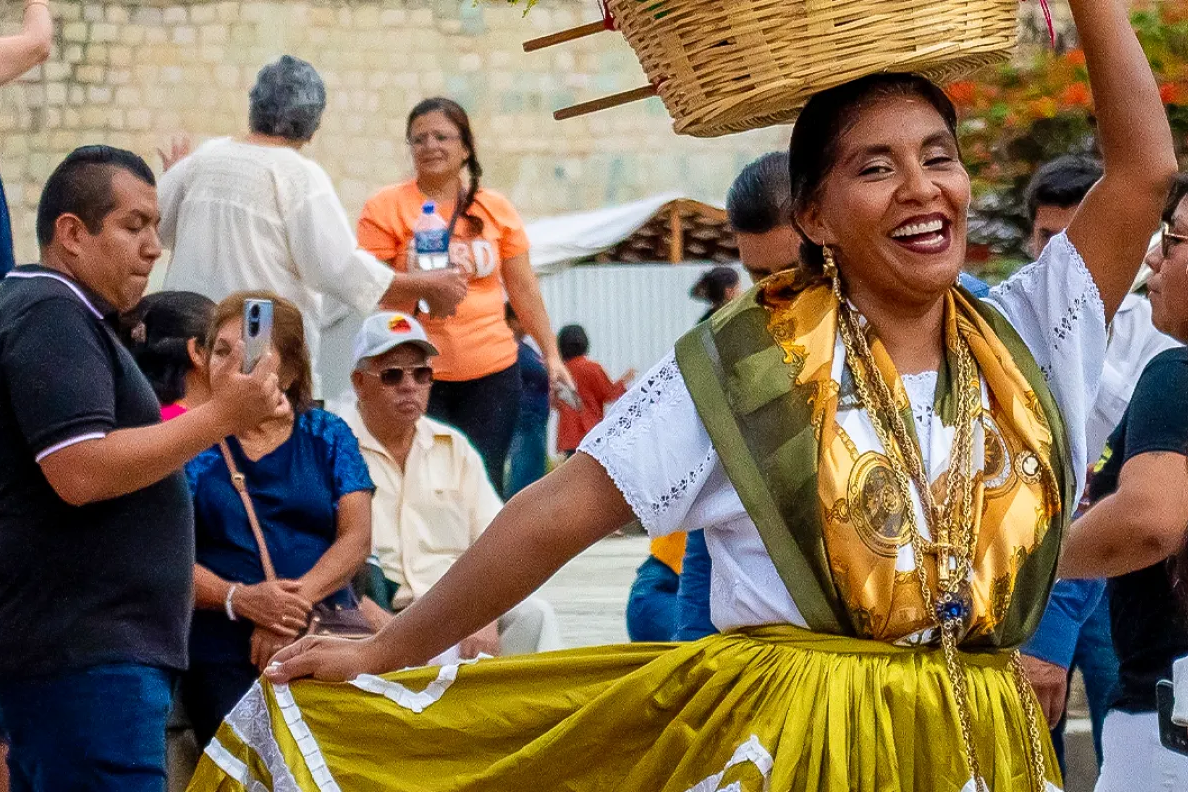
UNESCO’s program in Oaxaca seeks to integrate living heritage into urban planning and responsible tourism to protect artisans’ livelihoods, community spaces, and the transmission of cultural knowledge.
Photographer Alexis Rosenfeld and the 1 OCEAN team have documented the planet’s largest animal migration at the southern tip of Africa, a vital natural phenomenon now threatened by climate change and industrial drilling.
Everyday life in Uzbekistan’s Pskem Valley is shaped by constant exposure to natural hazards, including landslides and mudflows. Local communities have long relied on local knowledge to live alongside natural hazards. Their stories show how this experience, combined with the scientific and technical support of a UNESCO project, is strengthening preparedness and resilience to landslides and mudflows.

As generative AI advances, women journalists face growing threats including deepfakes, harassment, surveillance, and gendered disinformation. UNESCO is leading a global campaign with major media to expose Technology-Facilitated Gender-Based Violence (TFGBV), which aims to silence and discredit women online and offline. Research shows 73% of women journalists have faced online threats, with many experiencing real-world violence as a result. AI has intensified these attacks, making abuse faster and harder to control. Marking the 2025 International Day to End Impunity for Crimes against Journalists, UNESCO calls for stronger protection, accountability, and action to defend women journalists and freedom of expression worldwide.

The 2022-2025 UNESCO report reveals a 10% global decline in freedom of expression since 2012, driven by self-censorship, journalist attacks, economic pressures, and threats to democracy.

Once a symbol of resilience in precolonial and wartime Paraguay, the Poncho Para’í de 60 Listas now relies on UNESCO-backed support to overcome dwindling materials and aging craftsmanship as communities work to keep its ancestral weaving traditions alive.
Global ocean observations, coordinated by UNESCO’s GOOS and contributed to by over 80 countries, provide critical data to predict, manage, and adapt to changes in the marine environment and climate impacts.
“Deep Surfaces” showcases how architecture bridges cultures, sustainability, and heritage at UNESCO World Heritage sites.

Around the globe, countless children and adolescents grapple with the impacts of school violence and bullying, including the insidious threat of cyberbullying, harming their health and learning. UNESCO marks the first Thursday of November as the International Day against Violence and Bullying at School, including Cyberbullying. This year’s theme, “Screen smart: Learning to be safe in the digital era,” highlights online risks, especially for girls, minorities, and migrants. With only 16% of countries having laws to prevent cyberbullying, education must ensure safety both in classrooms and online.

UNESCO’s General History of Africa project is reshaping global understanding by telling the continent’s story from an African perspective and bringing it into classrooms and digital learning tools worldwide.
UNESCO and Super Sema have launched “Digital Hero,” a fun, music-driven campaign for Global Media and Information Literacy Week that empowers children to stay safe, think critically, and make smart choices.
Meet Dr. Rosa Vásquez Espinoza and Dr. Mounia Laassiri, young scientists breaking barriers in STEM and inspiring global gender equality through their UNESCO-awarded achievements.

UNESCO’s Horizontes programme reimagines rural secondary education in Peru, helping adolescents like Anaís complete their studies, build socioemotional skills, and build brighter futures.
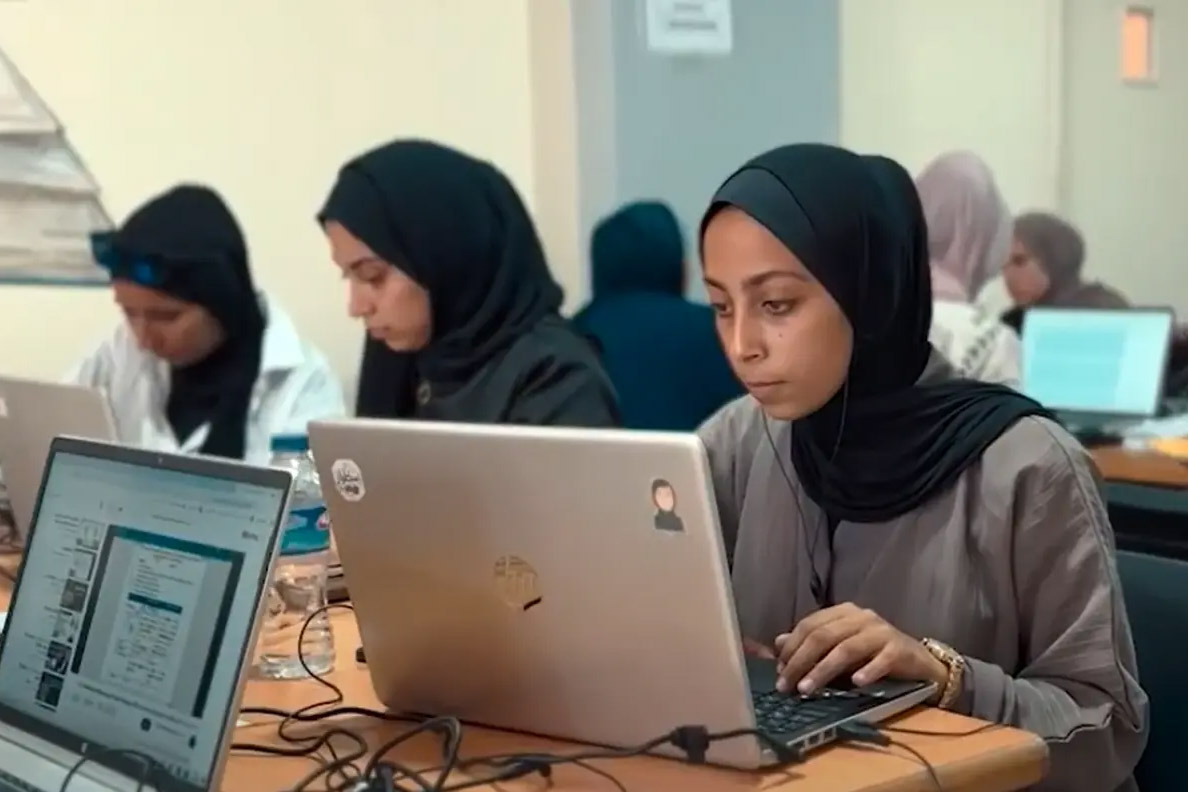
Despite war and devastation, initiatives like UNESCO’s Virtual Campus and Temporary Learning Spaces are helping Gaza’s students reconnect with learning, hope, and academic life.