
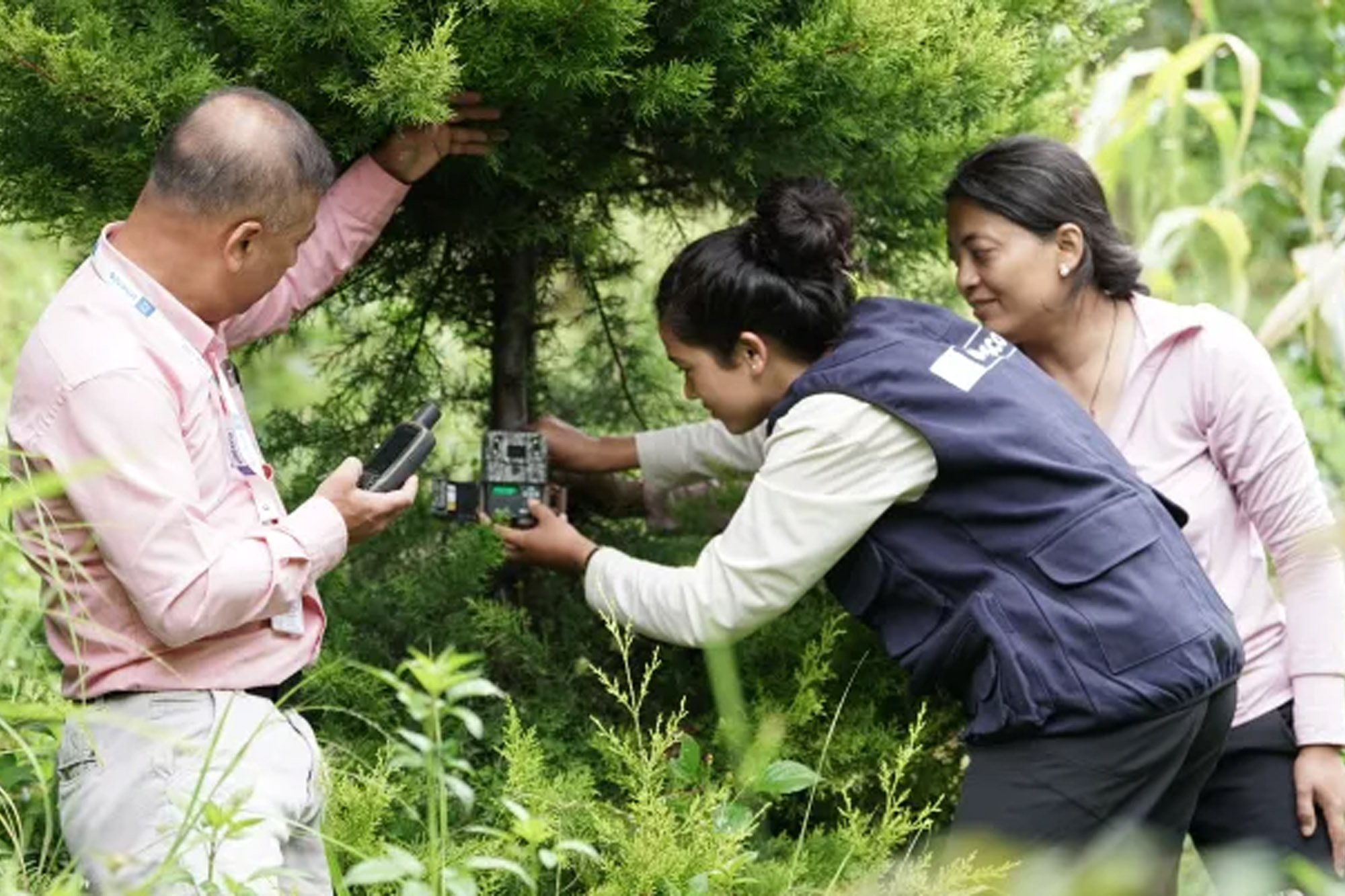
The forests around Mount Kanchenjunga in Nepal boast rich biodiversity, including endangered species like the snow leopard and red panda. Indigenous communities have traditionally used their knowledge for conservation, but challenges such as climate change, poaching, and hydropower projects are threatening this balance. Local resident Purna Kumar Limbu notes that frequent explosives from these projects are driving wildlife away. In response, the UNESCO initiative, Strengthening Community Engagement for Biodiversity Conservation, launched in 2025, aims to enhance global recognition of the Kanchenjunga Conservation Area and reinforce its importance to the local community.
Natural Resources and the Environment
Australia’s Reef Builder program, led by The Nature Conservancy and the government, is restoring critically endangered shellfish reefs across southern Australia, boosting biodiversity, water quality, and fish stocks. Since 2021, the initiative has rebuilt 62 hectares of reefs, created over 425 jobs, generated AUD$14 million in annual benefits, and brought together communities, Indigenous groups, scientists, and local businesses in a collaborative conservation effort.
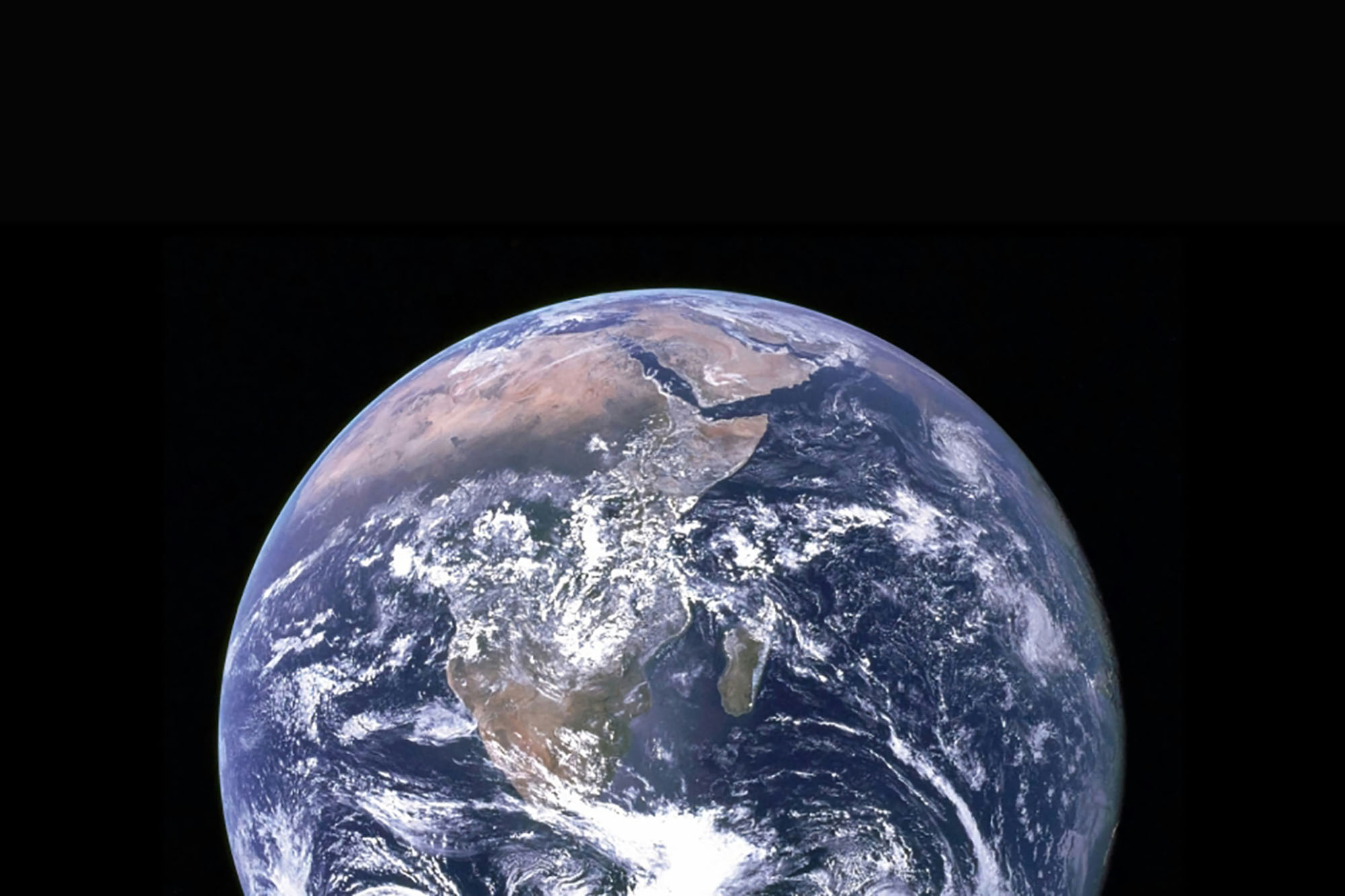
Oppressive heat. Species extinctions. Pollution-choked skies. This is the future that awaits the world unless humanity takes dramatic steps to end a series of mushrooming environmental crises, finds a new report from the United Nations Environment Programme (UNEP). The seventh edition of the Global Environment Outlook (GEO-7) offers a stark vision of the decades to come. But its authors say the worst forecasts can still be avoided if countries quickly take meaningful steps to address climate change, nature, land and biodiversity loss, and pollution and waste.
Photographer Alexis Rosenfeld and the 1 OCEAN team have documented the planet’s largest animal migration at the southern tip of Africa, a vital natural phenomenon now threatened by climate change and industrial drilling.
Everyday life in Uzbekistan’s Pskem Valley is shaped by constant exposure to natural hazards, including landslides and mudflows. Local communities have long relied on local knowledge to live alongside natural hazards. Their stories show how this experience, combined with the scientific and technical support of a UNESCO project, is strengthening preparedness and resilience to landslides and mudflows.
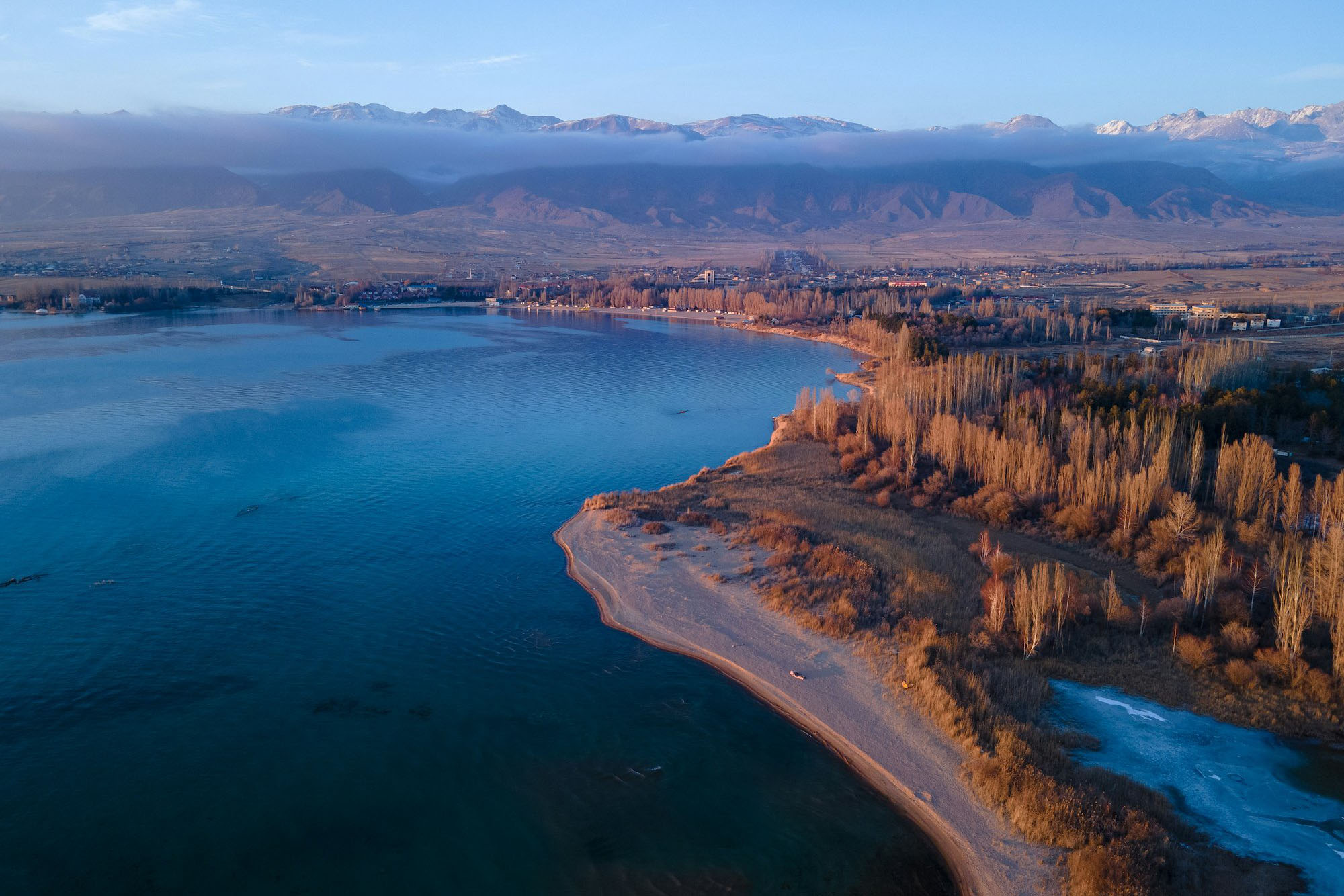
Nestled between majestic mountains and shimmering waters, Kyrgyzstan’s Issyk-Kul Basin is more than a scenic wonder, it is a living landscape rich in biodiversity, cultural heritage, and community spirit. Today, this region is at the heart of a powerful movement to restore and protect nature through a global initiative that supports community-led conservation and empowerment by the Global Environment Facility (GEF) Small Grants Programme (SGP), implemented by the United Nations Development Programme (UNDP). The initiative promotes sustainable agriculture and organic farming, restoration of wetlands and wild plant habitats, ecotourism and youth education and community training. It combines innovation with traditional knowledge.
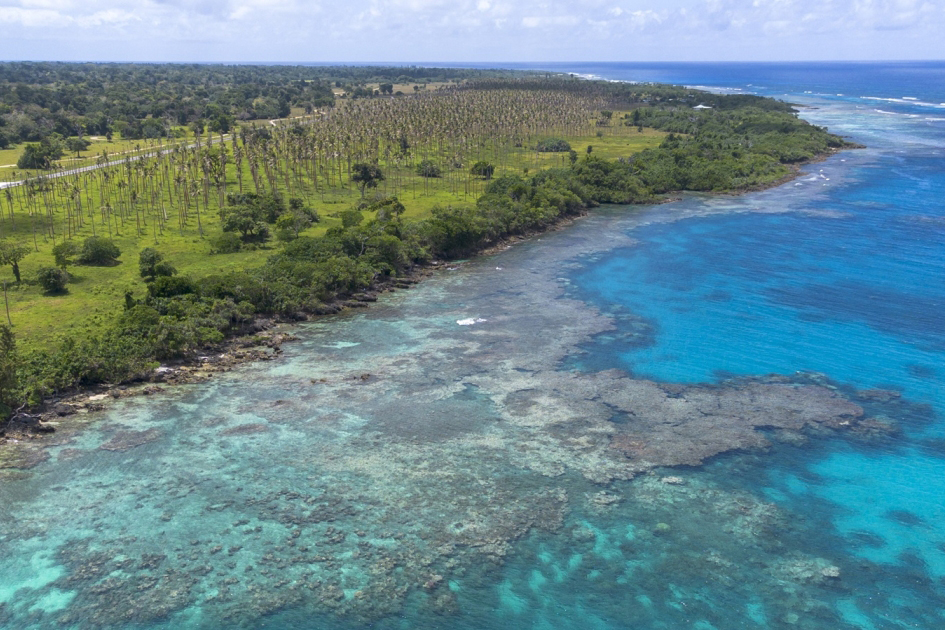
UNEP has announced five 2025 Champions of the Earth, honoring leaders advancing bold solutions to the climate crisis. Marking the award’s 20th year, the laureates address climate justice, methane reduction, sustainable cooling, resilient architecture, and forest protection. Honorees include Pacific Islands Students Fighting Climate Change for reshaping global climate law; Supriya Sahu for pioneering sustainable cooling and green jobs in India; architect Mariam Issoufou for climate-resilient design in the Sahel; Brazil’s Imazon for AI-driven forest protection; and the late Manfredi Caltagirone for global methane action. Together, they demonstrate that innovative leadership can protect people, ecosystems, and the planet.
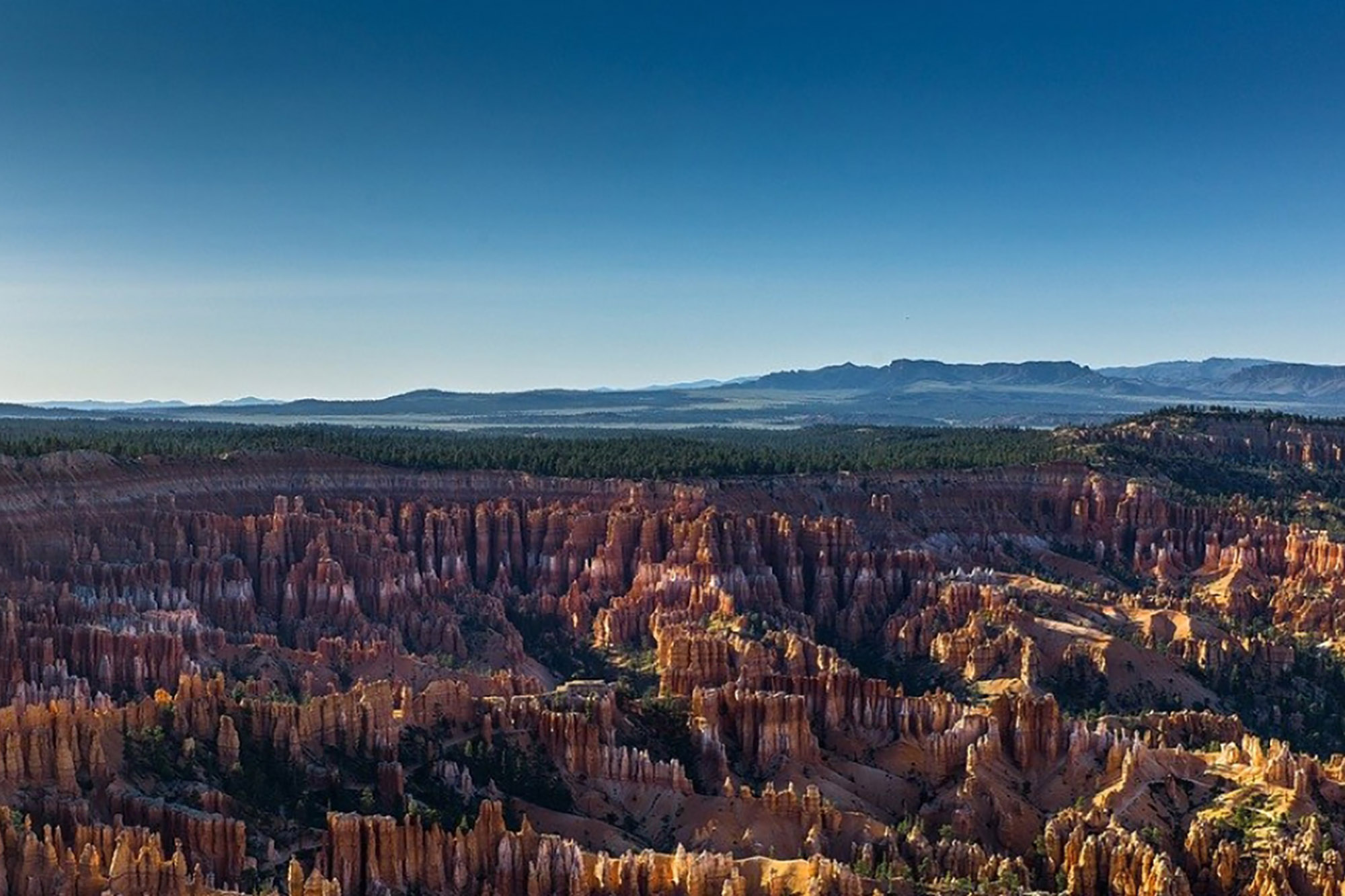
Climate change, biodiversity loss, and pollution already cost trillions annually, warns a new United Nations Environment Programme report. But systemic transformation, circular economies, clean energy, sustainable agriculture, could unlock $20 trillion yearly by 2070, save nine million premature deaths, and lift millions from poverty and hunger. Investing $8 trillion a year until 2050 secures a thriving planet and economy. However, the cost of inaction is far higher.
Bamboo-based restoration restores degraded land, supports biodiversity, boosts rural livelihoods, mitigates climate impacts, and promotes sustainable development across nine countries globally.
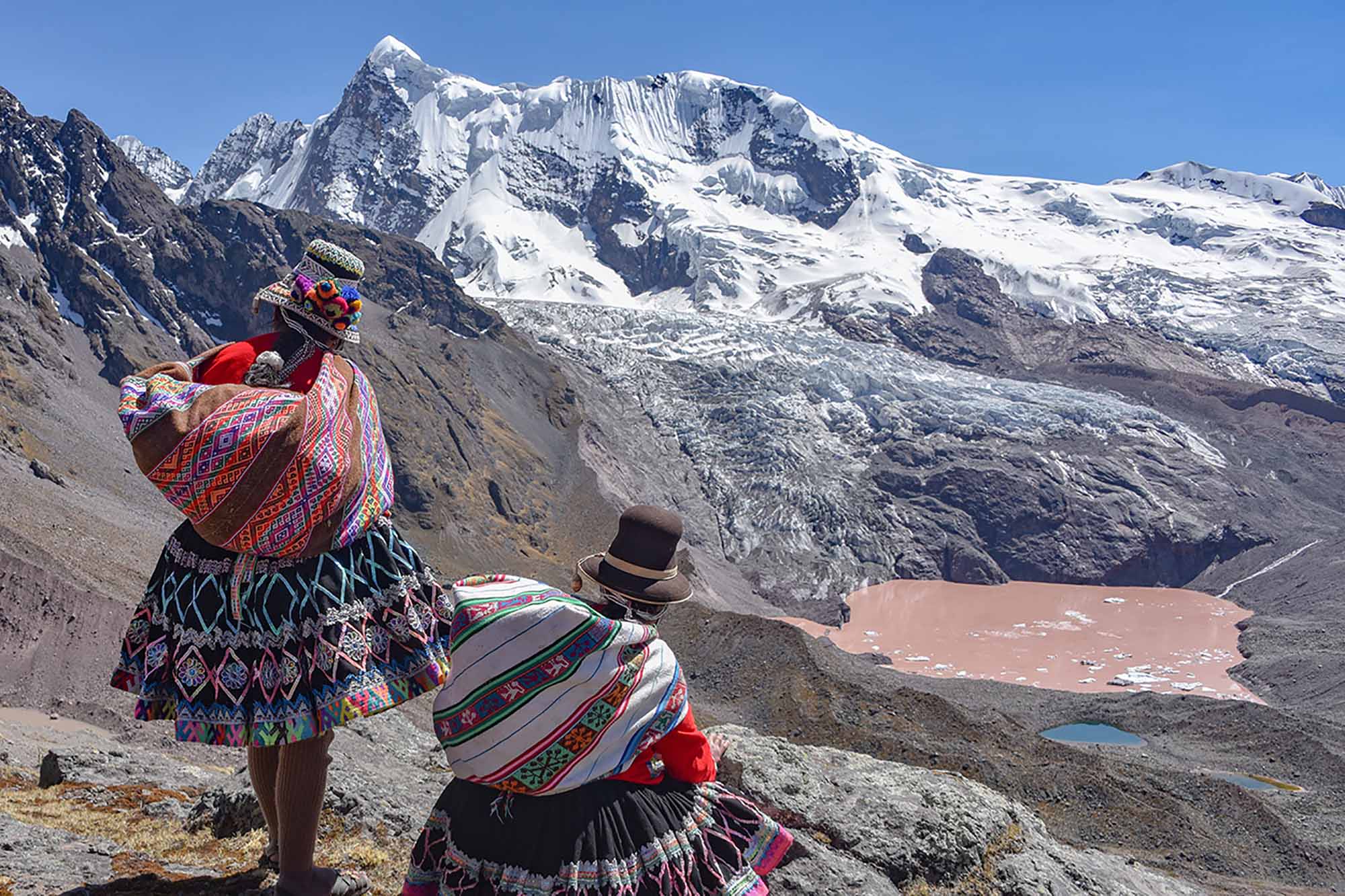
Glaciers, vast reserves of ice and snow found across the planet, are far more than frozen landscapes; they are lifelines for ecosystems and communities, holding around 70% of the world's freshwater. As they melt at unprecedented rates, communities face rising risks—from floods to food insecurity. This International Mountain Day (11 December), the Food and Agriculture Organization of the United Nations (FAO) highlights why glaciers matter for water, food and livelihoods—and why we must act now to protect them. Join FAO’s International Mountain Day 2025 event online.
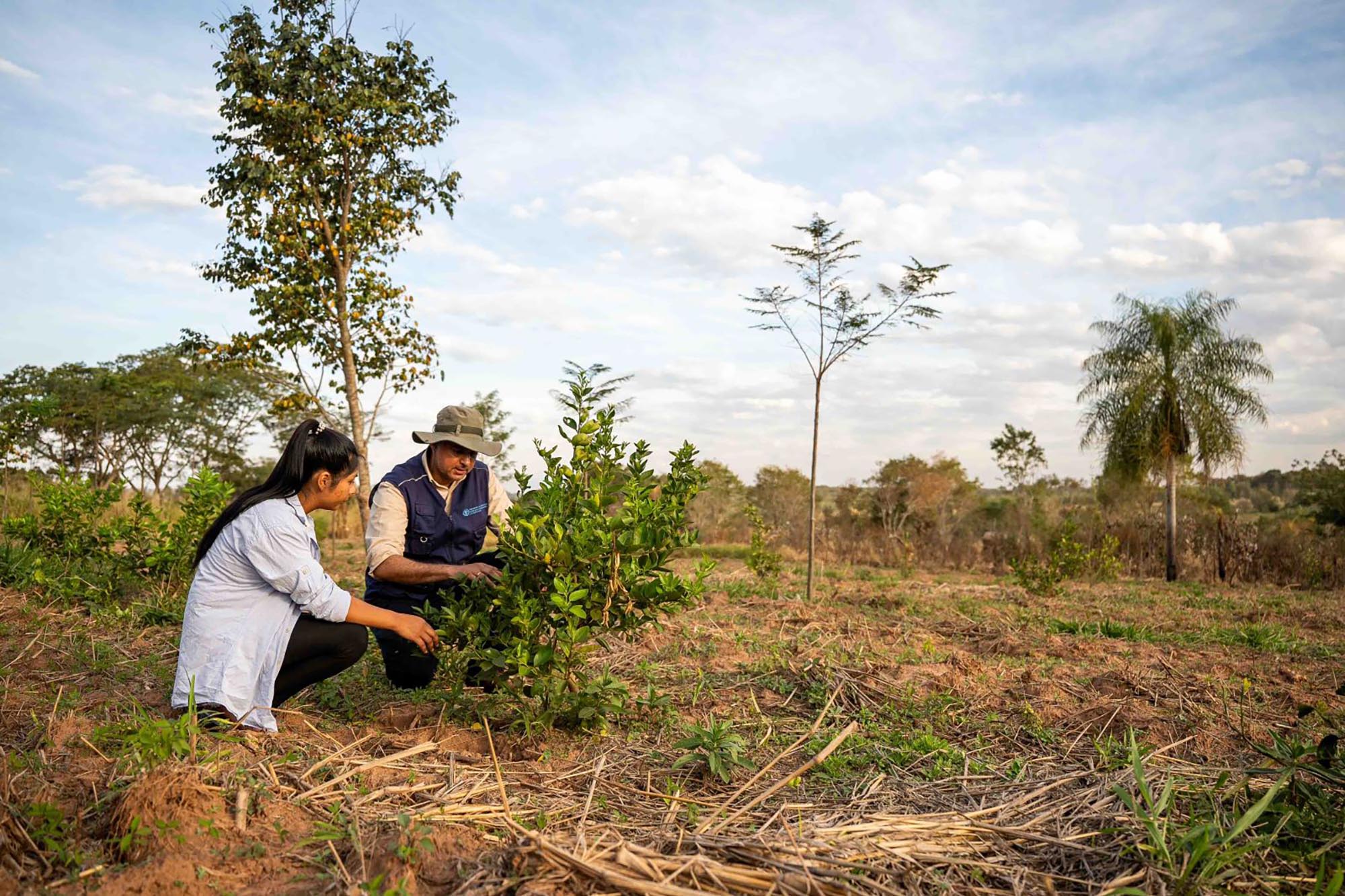
The forest in Canindeyú, Paraguay, sustains the Avá Guaraní community, providing medicine, food, and shelter. Teodora Vera, their elected leader, promotes agroforestry and reforestation to combat deforestation and climate change, which threaten water and food security. Through the PROEZA project, co-financed by Paraguay and the Green Climate Fund, families receive financial and technical support to adopt sustainable practices. So far, nearly 1,500 households benefit, ensuring resilience and livelihoods.
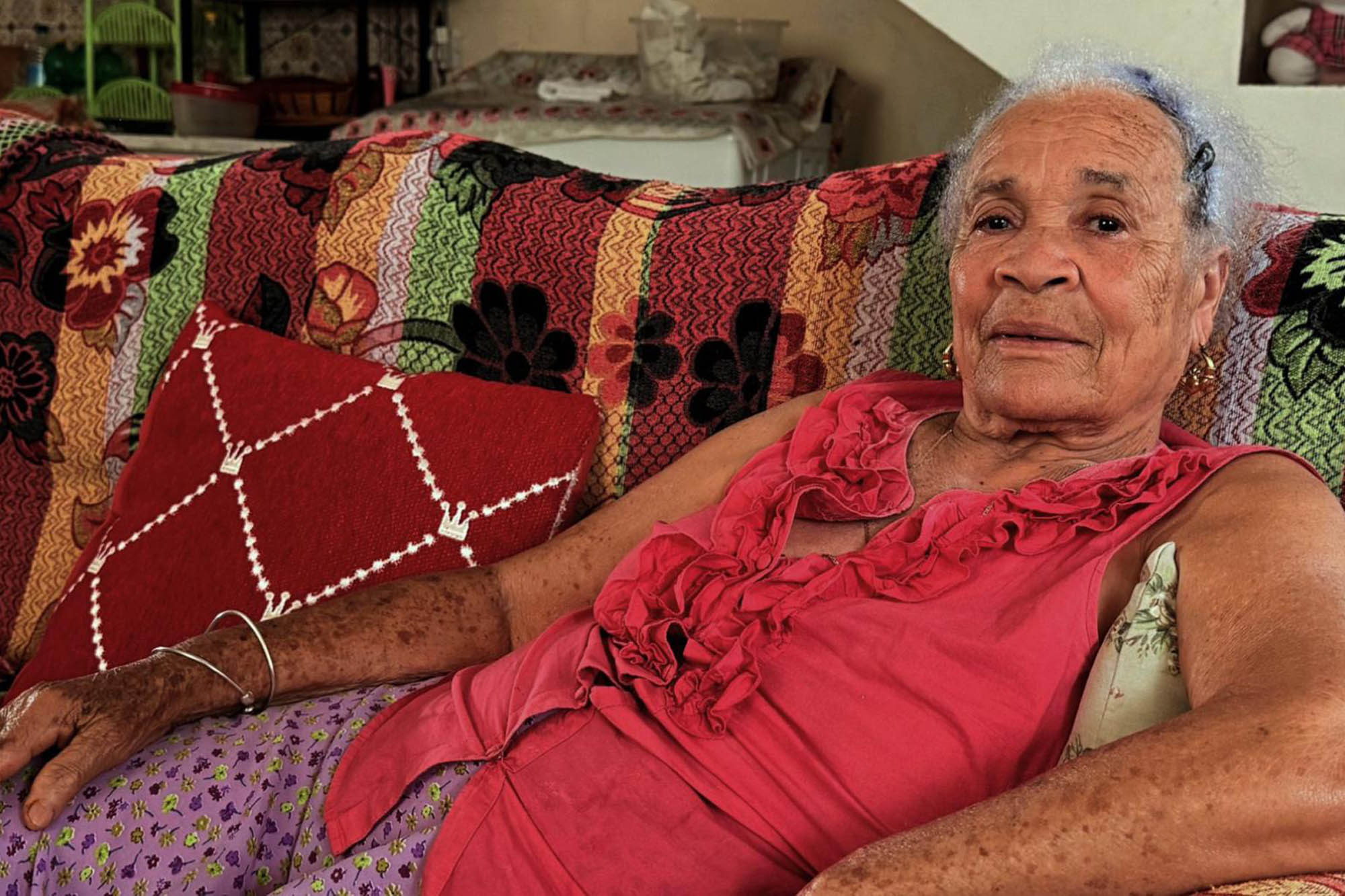
In August 2015, Tropical Storm Erika devastated Petite Savanne, Dominica, claiming over thirty lives and obliterating homes and livelihoods. The area was declared unsafe, forcing families like Vinora’s to relocate to Bellevue Chopin, a government resettlement community. While safer, it lacked the familiarity and sense of belonging that Petite Savanne provided. Elders like Athena lament the loss of community life and social connections. The impacts of climate change are escalating, making such dislocations more common. The people of Petite Savanne strive to rebuild, emphasizing the need for collaboration and lasting solutions to protect lives and dignity.
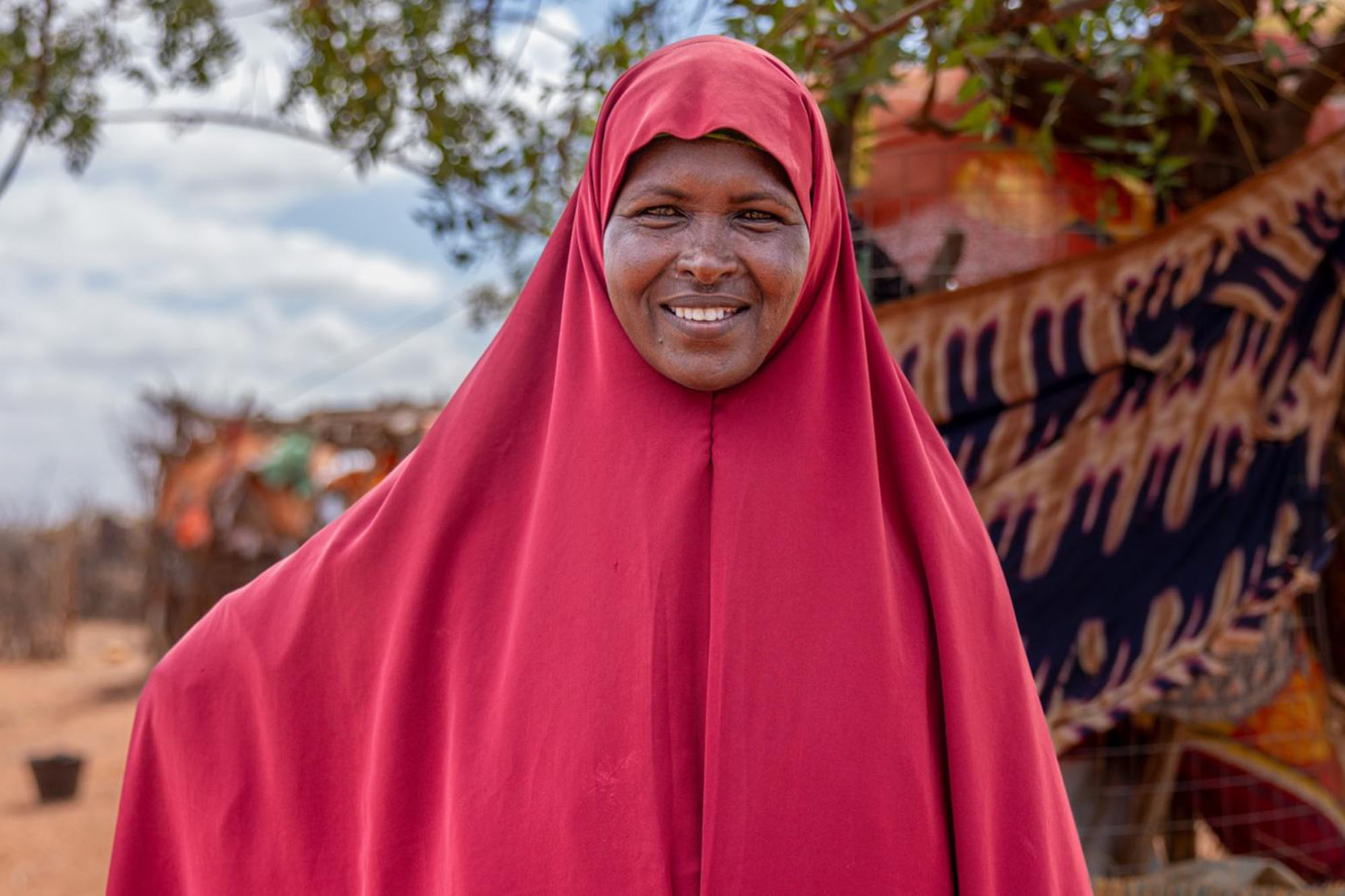
In a small village in Somalia's Middle Shabelle region, fear gripped the community as storm clouds loomed. For years, erratic rains led to devastating floods that destroyed homes and fields, followed by harsh dry seasons and sandstorms that worsened land degradation. However, residents now believe they have broken this destructive cycle through intentional actions. With support from the International Organization for Migration (IOM) and the local non-profit Shaqadoon, the community of Harqabobe has focused on building defenses that work with the water, rather than against it, fostering resilience in the face of climate challenges.

The Deliver-E Coalition unites major global food and grocery delivery platforms to accelerate the shift to zero-emission two- and three-wheeler vehicles, aiming to reduce emissions, and improve urban air quality.
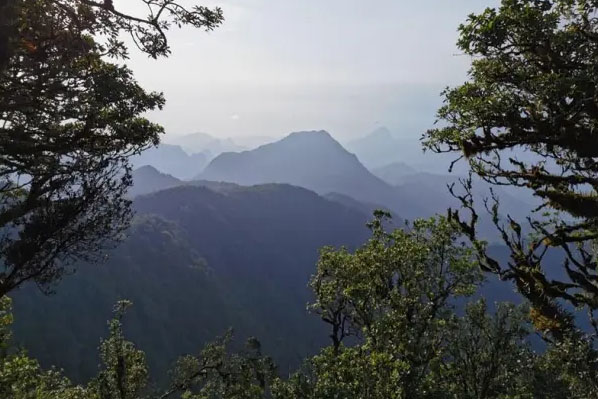
UNESCO’s 5th World Congress added over 26 new biosphere reserves, strengthening global efforts in biodiversity conservation, climate adaptation, and sustainable development initiatives.